REVIEW · BERLIN
Berlin: 3-Hour Street Art Tour
Book on GetYourGuide →Run by Original Berlin Walks GmbH · Bookable on GetYourGuide
Berlin street art is a living map. This 3-hour walk shows how the city turned graffiti and mural-making into an art form with real political and cultural weight, from Wall-era painting to 1990s chaos. I love the focus on lesser-known spots where the best work hides, and I love how the guides connect what you see to Berlin’s changing scenes and artists’ styles. One drawback to plan for: you’re outdoors for the whole tour, so comfortable shoes and weather gear matter.
The best part is the guide brainpower. People rave about guides like Gal, Amanda, Maike, Lewis, and Debbi for explaining styles, movements, and the why behind the art—so you’re not just taking photos, you’re learning how to read the city. The mood can get opinionated in a good way, since Berlin street art is still a debate topic, not museum-safe content.
In This Review
- Key things I’d circle before you go
- Berlin Street Art Isn’t Just Color on Brick
- The 3-Hour Plan: How You Get Value Without Feeling Rushed
- What I’d do before you show up
- Hidden Spots Beat the Usual Hits: What You’ll Actually Be Looking For
- Markthalle Neun: The Kind of Stop That Breaks the Walk Right
- Meet the Guides: Why the Storytelling Is Part of the Attraction
- Outdoors, All Weather: What to Pack So the Tour Stays Fun
- English or German: Choose What Makes You Ask Better Questions
- Is It Worth $23? The Real Value Math
- Who Should Book This Street Art Tour in Berlin
- Book It or Skip It? My Practical Recommendation
- FAQ
- How long is the Berlin street art tour?
- How much does the tour cost?
- What language are the tours offered in?
- Is the tour outdoors?
- What is included in the price?
- Do I need public transport tickets?
- Can I book a private group?
- Can I cancel if my plans change?
- What should I bring for the tour?
Key things I’d circle before you go
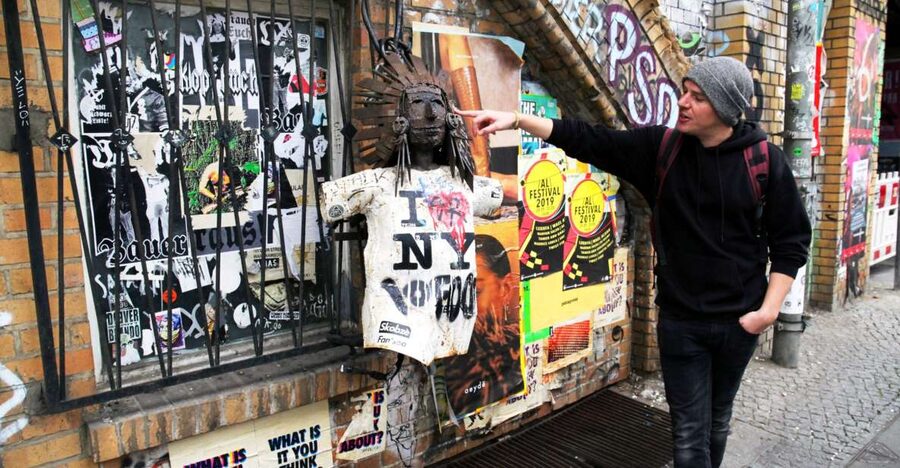
- Hidden walls and side streets: You’ll track down work that isn’t on the usual postcard route.
- Street art history that actually matches what you see: Wall-era roots through the 1990s boom.
- Guides who treat details seriously: People mention explanations of techniques, styles, and artist backgrounds.
- Stops that go beyond murals: Some tours include city elements like architecture or sculpture alongside street art.
- A welcome pause mid-walk: One commonly praised stop is Markthalle Neun.
- All-weather touring: You’ll move rain or shine, so dress for movement.
Berlin Street Art Isn’t Just Color on Brick
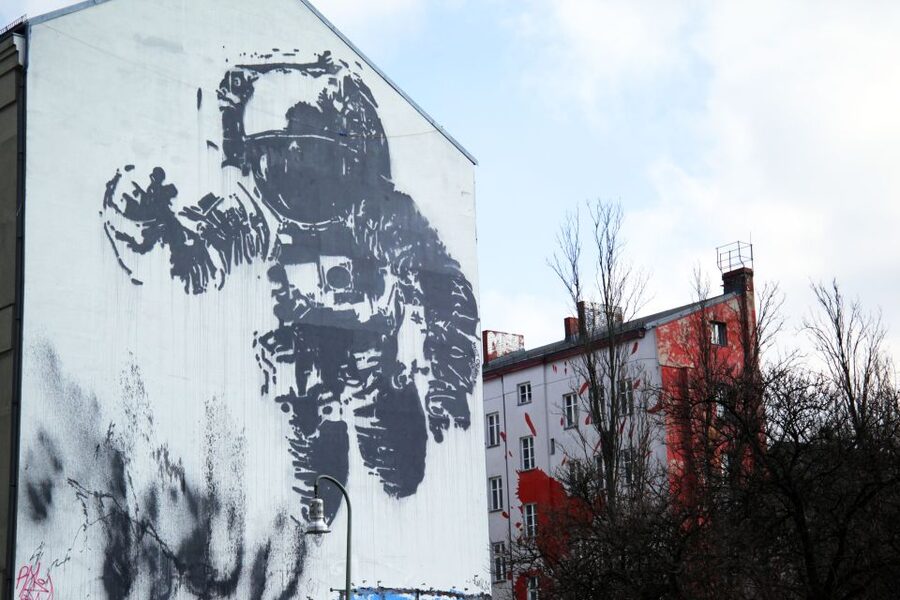
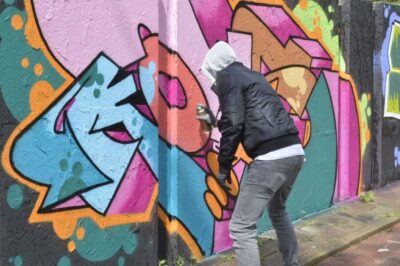
Berlin street art works on two levels at once. First, it’s visual—layers, lettering, portraits, big painted scenes. Second, it’s social. In this city, that second layer is hard to separate from the first.
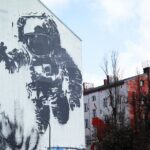
The tour’s framing is smart: street art didn’t become a worldwide language by accident. People started painting as far back as the 1960s along the Berlin Wall. Then Berlin’s hedonistic heyday in the 1990s brought artists from everywhere, and suddenly the walls weren’t only local messages—they were a global stage. When you walk these neighborhoods with a guide, you stop seeing murals as decoration and start seeing them as responses to politics, identity, and power.
And because Berlin has so many eras stacked on top of each other, the tour’s “freshest and finest” approach matters. Street art changes fast. A guide who follows who’s doing what helps you find work that feels current, not archived.
You can also read our reviews of more tours and experiences in Berlin.
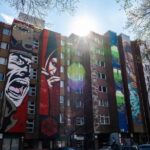

The 3-Hour Plan: How You Get Value Without Feeling Rushed
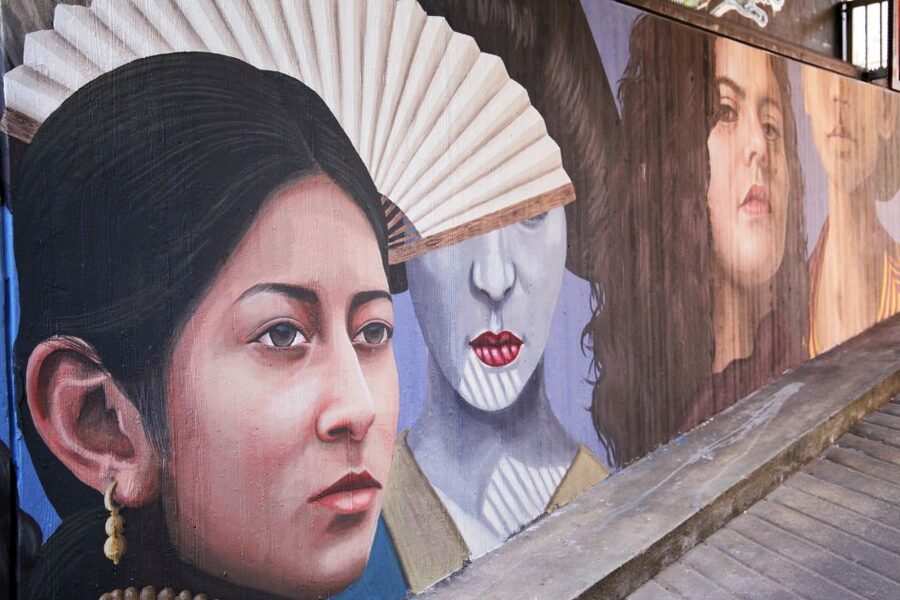
Three hours in Berlin can either feel long or vanish. On this tour, it mostly depends on how many questions you ask and how often you pause for photos.
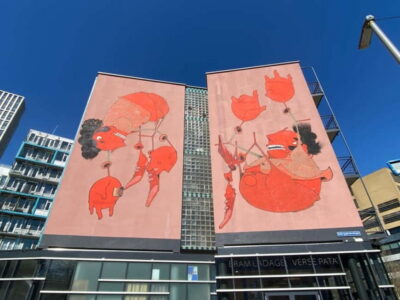
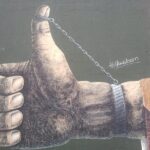
The walk is designed to pack in several stops while keeping time for looking closely. That’s a big deal because street art isn’t always obvious from a single angle. A lot of the “wow” comes from details: the way letters turn into characters, how paint drips become part of the style, or how a mural uses the surrounding architecture as a frame.
You should also know that the group moves at a real walking pace. Some feedback notes that the tour clock can stretch when guides have more to share. If your group is chatty (or you’re the type who asks why something is where it is), it can turn into a slightly longer storytelling walk—but you’re still getting the structure of a 3-hour guided route.
What I’d do before you show up
If you want the tour to hit even harder, take a moment before meeting up to think about what you care about most:
- graffiti and lettering vs. large murals
- political themes vs. pure style
- street art as history vs. street art as current culture
Then you’ll hear the guide’s stories through your own lens.
Hidden Spots Beat the Usual Hits: What You’ll Actually Be Looking For
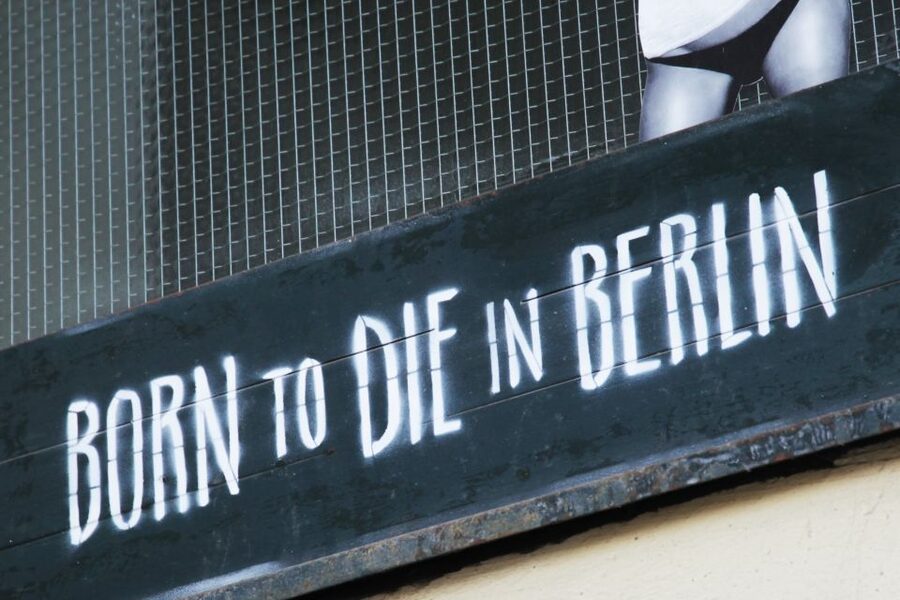
A big promise here is finding lesser-known areas where street art is hiding in plain sight. That’s the difference between a tour that just walks to famous walls and one that helps you read the city.
On this route, you’ll be watching for a few things:
- Scale changes: big wall pieces and smaller works that reward close looking
- Placement: art tucked into less-trafficked corners and parts of the street that don’t scream tourist
- Technique: the way artists build texture—spray, paint, stencils, layered color, and clean graphic edges
- Style signatures: recurring choices that hint at an artist’s background and movement
People consistently praise the guides for knowing the “who’s who” side of Berlin street art—meaning not only what the art looks like, but who made it and why that matters. You’ll also get a sense for how different styles map to different parts of Berlin’s shifting culture.
And yes, you’ll see amazing art. But the value is in learning how to tell art types apart, and how to understand what the artist is saying without needing a translation app.
Markthalle Neun: The Kind of Stop That Breaks the Walk Right
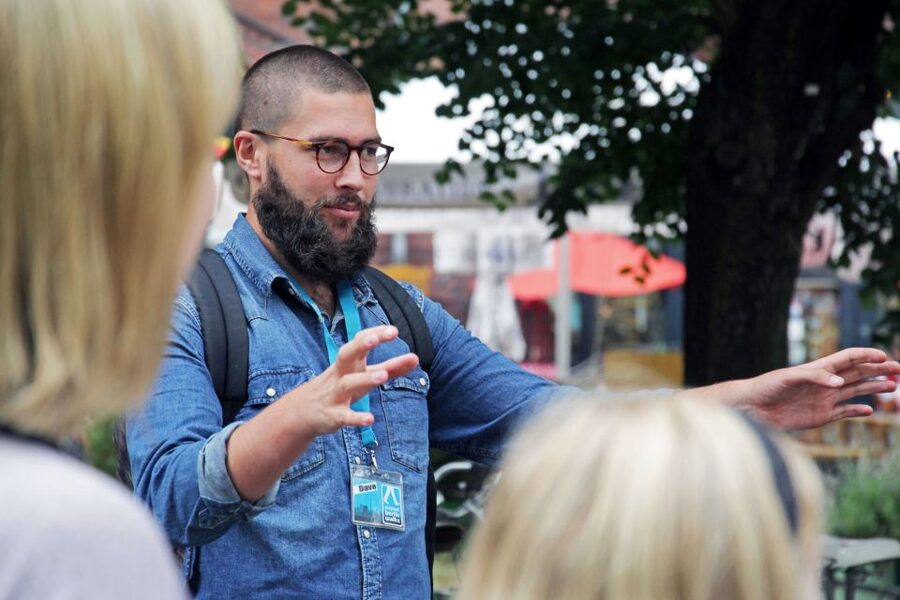
One stop gets a lot of love: Markthalle Neun. If you’ve never been, it’s a reminder that Berlin’s “alternative culture” isn’t stuck behind a museum door. It lives in food halls, community spaces, and everyday places where people gather.
Why it matters for your tour experience: after several street corners, your eyes need a reset. A stop like Markthalle Neun gives you a chance to breathe, regroup, and keep walking with fresh attention. It also matches Berlin’s vibe: art, culture, and daily life overlap more than they do in many cities.
If you’re planning your timing, aim to eat something light before you go. During the tour, you’ll likely want to take in what’s around you, and a heavy meal can slow you down.

Meet the Guides: Why the Storytelling Is Part of the Attraction
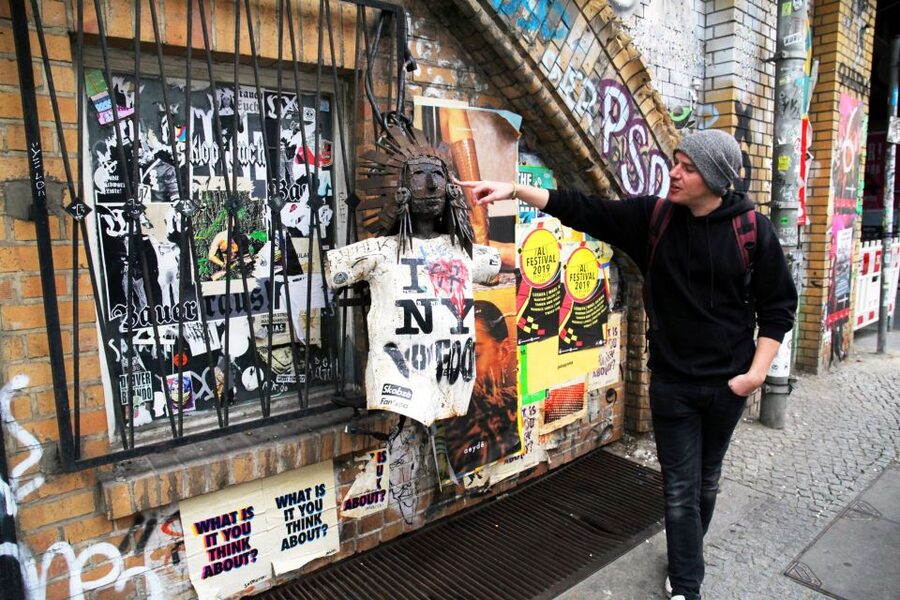
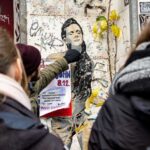
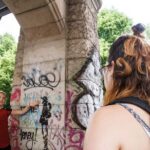
This kind of tour lives or dies by the guide. Here, the guide descriptions from real feedback are strikingly consistent: people call them friendly, funny, and genuinely passionate, with stories that help you understand street art as culture instead of just visuals.
You’ll see names pop up repeatedly:
- Gal is praised for history, artist styles, and movements.
- Amanda is singled out for knowing details about pieces and for being warm and enthusiastic.
- Maike, described as an artist herself, helps you grasp techniques and cultural meaning.
- Lewis comes up as cheerful, funny, and patient, with time to look around.
- Debbi is mentioned as knowledgeable and entertaining, with a flexible approach.
- Sam Z gets notes for storytelling and even pushing beyond the original timeline when there’s something new to see.
- Xavier stands out for connecting street art with history and socio-economics.
Even if you don’t get the same guide name you’ve heard praised, the pattern tells you what to expect: guides who can explain the art in plain language, then answer follow-up questions.
Outdoors, All Weather: What to Pack So the Tour Stays Fun
This tour runs in all types of weather. That line might sound standard, but it changes how you plan.
Bring:
- Comfortable shoes (you’ll be walking)
- Weather-appropriate clothing
Practical tip: choose layers you can move in. Berlin wind and drizzle can turn a “quick walk” into a slow, uncomfortable slog if you show up in the wrong fabric. Since the tour is guided and timed, you’ll want to focus on the art, not on fixing your socks every 10 minutes.
If you’re the type who hates carrying a bag, you’ll still want something simple for a bottle of water and a small umbrella or light rain shell. Keep it small so you’re not wrestling it every time the group stops.
English or German: Choose What Makes You Ask Better Questions
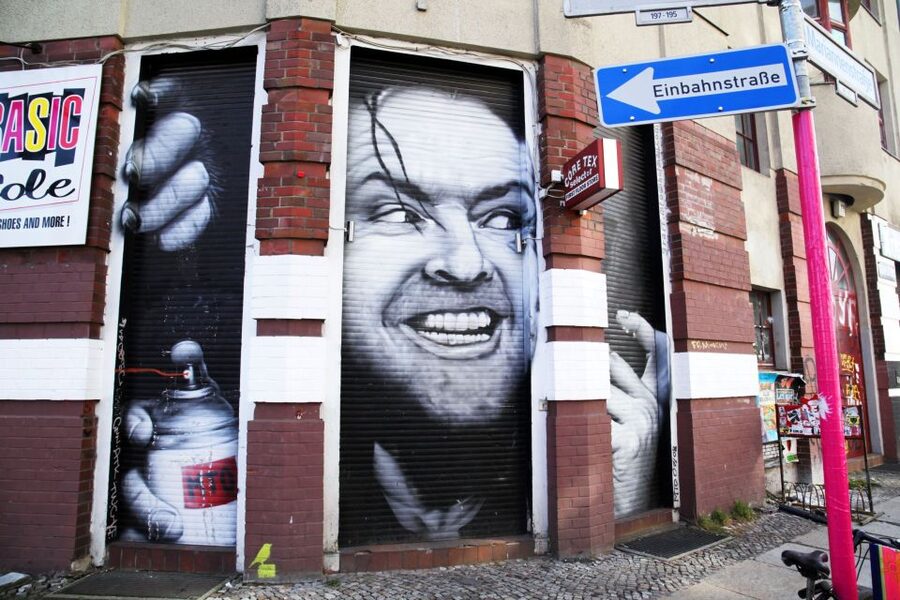
Tours are offered in English and German. That matters more than you might think, because the best part of these walks is interaction.
If you’re comfortable speaking at least a little, you’ll get more out of the tour:
- Ask about how a style is identified
- Ask what changed in Berlin from Wall-era painting to later decades
- Ask what to look for on your own after the tour
If you’re more comfortable with German, you may pick up extra nuance from the guide’s explanations. If English is your strongest language, you’ll still get the full arc: history, techniques, and the stories behind what you see.
Is It Worth $23? The Real Value Math
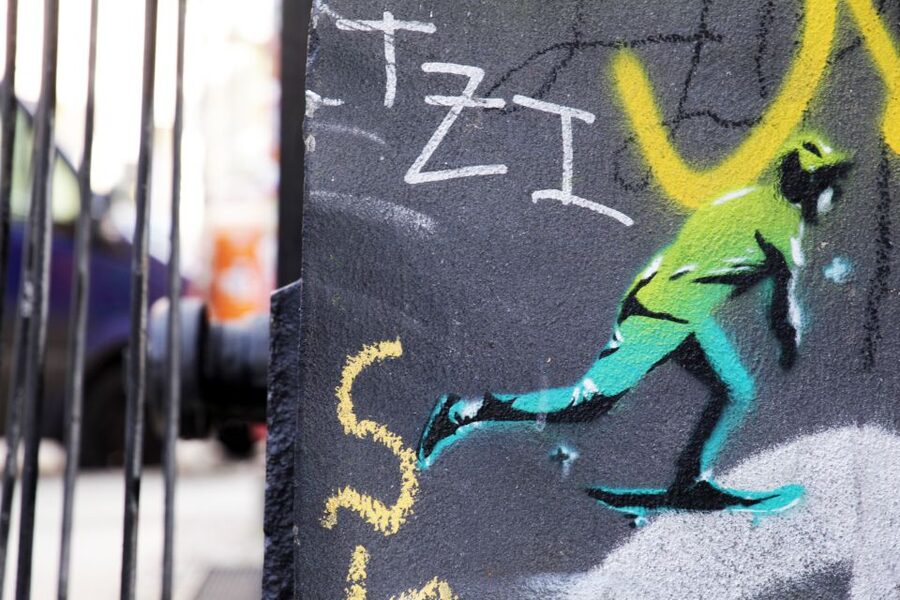
At $23 per person for a 3-hour guided street art walk, this is priced like an activity, not a museum ticket. The question isn’t just cost—it’s what you get per minute.
You’re paying for:
- guided walking time (so you don’t have to guess where the best work is)
- a guide who tracks artists and current pieces
- context that turns random walls into a readable story
This is where value shows up. Street art can be free to look at, but free looking usually means you don’t know what you’re seeing. A good guide helps you see faster and understand more. If you’re the kind of person who likes taking photos and learning, this price is fair.
Also, there’s a private group option available. If you’re traveling with friends and want a tailored pace, private can make the experience feel less like a fixed route and more like a conversation with a specialist—often worth it if you’re visiting with kids or a mixed-age crew who appreciates a slower tempo.
Who Should Book This Street Art Tour in Berlin
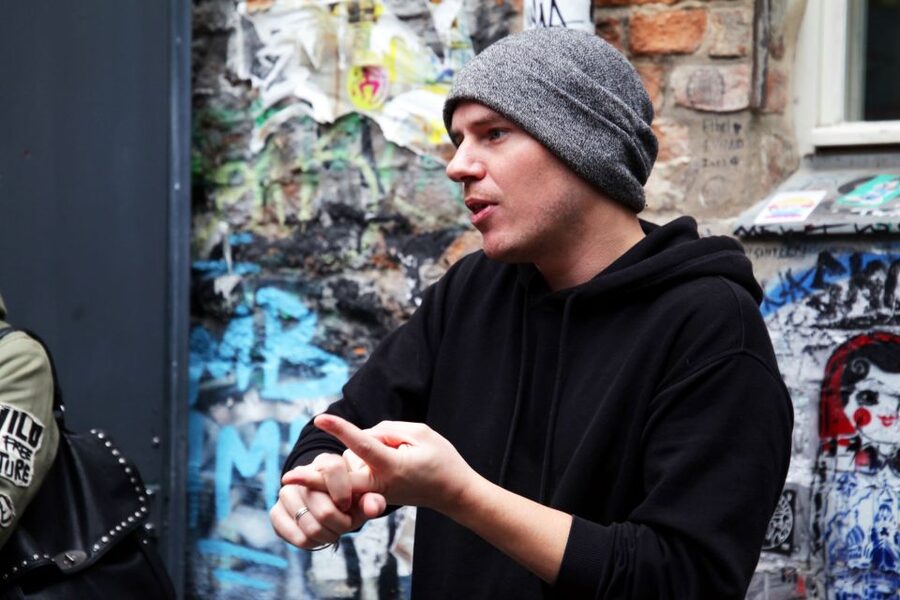
This tour fits best if you want Berlin in its weird, human form. I’d send you if you:
- like street art but want the history and cultural context
- want to see more than the obvious photo walls
- enjoy walking through neighborhoods and learning how they got the way they are
- plan to keep exploring after the tour with a better eye
It’s also a good call for first-timers. Berlin can feel endless, and street art is one of the easiest ways to get a handle on the city’s identity without needing a car or a huge schedule.
Book It or Skip It? My Practical Recommendation
I’d book this tour if your goal is to understand Berlin street art, not just collect photos. The price-to-time ratio is solid, and the feedback pattern points to strong guiding and strong storytelling, which is exactly what turns a street art walk into a real experience.
I’d think twice if you hate walking outdoors for hours or if you only want the most famous murals with zero discussion. This isn’t a checklist tour. It’s a guided route built for people who like context, and who enjoy that Berlin art often comes with edge and opinion.
If you’re arriving with curiosity, you’ll leave with better instincts for what to look for on your own.
FAQ
How long is the Berlin street art tour?
The tour lasts 3 hours.
How much does the tour cost?
The price is $23 per person.
What language are the tours offered in?
The live guide speaks English and German.
Is the tour outdoors?
Yes. The tour runs in all types of weather, so wear comfortable shoes and weather-appropriate clothing.
What is included in the price?
The tour includes a guided tour.
Do I need public transport tickets?
A public transport ticket is not included if needed, so bring one if your route requires transit.
Can I book a private group?
Yes. Private group options are available.
Can I cancel if my plans change?
Free cancellation is available up to 24 hours in advance for a full refund.
What should I bring for the tour?
Bring comfortable shoes and clothing suited to the weather.