REVIEW · ZAGREB
Zagreb Street Art Private Walking Tour with a Local Artist
Book on Viator →Run by Kresimir Golubic · Bookable on Viator
Street art doesn’t feel like a side quest in Zagreb. This private, English-guided walk follows the city’s walls like a living map, with a local artist explaining styles and meaning as you go. You’ll cover hidden parts of Zagreb without needing museum vibes, and you get a studio visit that turns the whole thing from sightseeing into context.
What I really like is the way the tour teaches you to see different kinds of street art—from tags to paste-ups and murals—so you leave with a mental checklist for what you’re looking at. I also appreciate that the route mixes outdoor walls (parks, lanes, and squares) with an inside look at an artist’s atelier instead of stopping at Instagram-ready walls.
One thing to plan for: this is a good-weather walking experience, and you’ll have a moderate fitness level requirement since you’re moving through town for about three hours.
In This Review
- Key things to know before you go
- Street Art in Zagreb: Why This One Works Better on Foot
- Price and What You’re Really Paying For
- Where You Start: Trg bana Josipa Jelačića
- Stop 1: Opatovina Park Walls and the Art of Not-So-Central Spaces
- Stop 2: Ban Josip Jelačić Square—Big-Spot Art With Quick Context
- Stop 3: Stube Ivana Zakmardija—Stairs, Passages, and Street Art’s Natural Habitat
- Stop 4: Martićeva ulica Murals—Where You’ll Learn to Spot Styles Fast
- Stop 5: Držićeva and the Atelier Visit—Turning Street Art Into Real People
- Stop 6: Jukićeva ulica—Zagreb’s Art Centers on the Route
- Timing, Transfers, and How to Make the Most of 3 Hours
- What You Learn: Street Art History Through Styles You Can Recognize
- Who This Tour Fits Best (And Who Might Want a Different Plan)
- Book It or Skip It? My Practical Take
- FAQ
- FAQ
- How long is the Zagreb Street Art Private Walking Tour?
- Is the tour private or shared?
- What language is the tour offered in?
- Where do I meet the tour?
- Where does the tour end?
- Do I need to buy tickets or pay admission at the stops?
- What happens if the weather is bad?
Key things to know before you go
- Private tour with a local artist: only your group, led by Croatian street artist Kresimir Golubic
- Street art taught by style, not just points on a map (tags, letter art, murals, and more)
- Mix of outdoor walls and an atelier/studio stop, where you can ask better questions
- Comfort breaks built in: walking plus comfortable air-conditioned transfers between stops
- Free-entry sites along the way, so your money goes to the guide, not admissions
- English-language experience with a mobile ticket for easy access
Street Art in Zagreb: Why This One Works Better on Foot
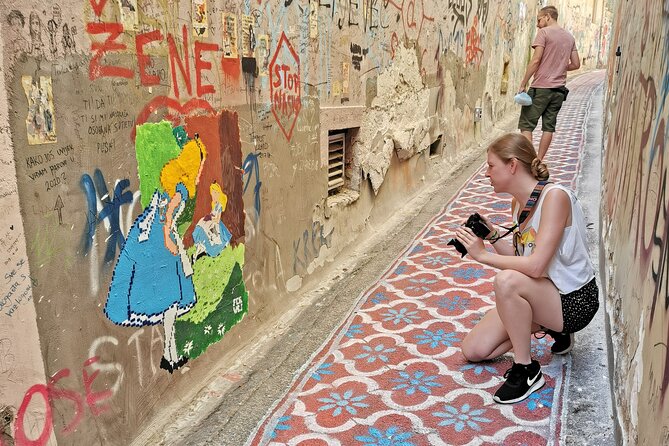
Zagreb street art is not just color on walls. It’s a way of reading the city’s personality—what people notice, what they argue with, and what they celebrate. Doing it as a walking route helps because you’re seeing how the art fits its real surroundings: balconies, stairways, park edges, and back-street facades.
You’ll also get a clear, practical focus. Instead of bouncing between random photos, this tour is built around styles and how they evolved. That matters because street art can look chaotic until someone gives you a framework.
Finally, the setup is smart for comfort. It’s a walking tour, but there are air-conditioned transfers between some stops, which is a relief if the weather swings or the sidewalks get crowded.
Price and What You’re Really Paying For
At $42.14 per person for about 3 hours, the value comes from two things: access and interpretation. This is not a big group bus tour. It’s private, and you’re walking with a local working artist who can explain what you’re seeing in a direct, city-specific way.
You’re also not paying add-on entry fees at each stop. The itinerary includes several stops with free admission, so the money is mostly supporting the guide and the time.
If you’re the type who likes to understand art (and not just look at it), this price is fair. If you only want a quick route and photos, you might feel it’s a bit specialized—but the high rating suggests most people come away thinking it’s worth every minute.
Where You Start: Trg bana Josipa Jelačića
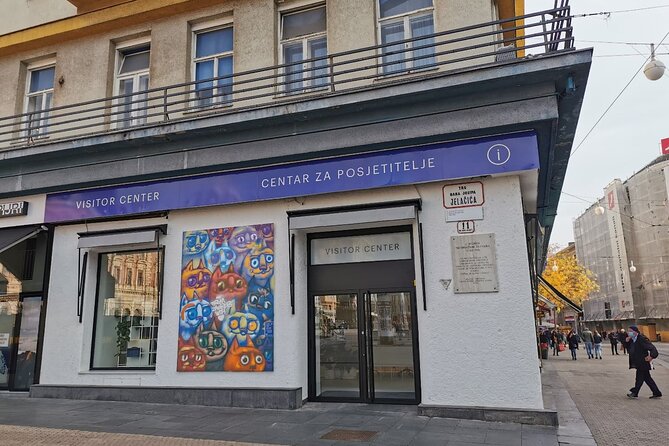
The meeting point is Trg bana Josipa Jelačića 11, 10000 Zagreb. That location is handy because it puts you near the city’s main pulse, so you can get oriented quickly.
Starting from Ban Josip Jelačić Square also makes sense for street art learning. You begin in a place that’s easy to find, then the route gradually shifts toward quieter walls and more specific streets. You’re not just walking blindly—you’re moving from the obvious to the unexpected, with the guide guiding your eye.
Stop 1: Opatovina Park Walls and the Art of Not-So-Central Spaces
The tour starts with Opatovina Park, spending about 25 minutes. Parks in cities often hide small pockets of identity: fence lines, boundary walls, and side surfaces that don’t get the same attention as big landmark facades.
This stop is useful because it teaches you to look for street art in places you might skip on your own. You’ll know what to watch for beyond murals—marks, placement choices, and the way art interacts with everyday city movement.
A practical consideration: parks mean you’ll be outside for part of the time. Bring a light layer if the weather changes, since this kind of tour depends on good weather.
Stop 2: Ban Josip Jelačić Square—Big-Spot Art With Quick Context
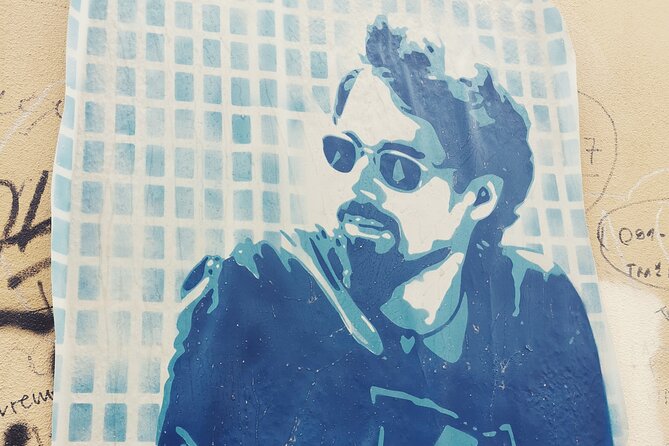
Next is Ban Josip Jelačić Square for about 15 minutes. It’s a short stop, which tells you what the guide intends: not to linger, but to give you a baseline. When you start in a high-visibility square and then move away from it, you can see how the art changes with the setting.
You’ll check out a few artworks on the main square, which helps you connect the street art style to the public space it lives in. Think of it as training your eye before you get deeper into the lanes and stairways.
Stop 3: Stube Ivana Zakmardija—Stairs, Passages, and Street Art’s Natural Habitat
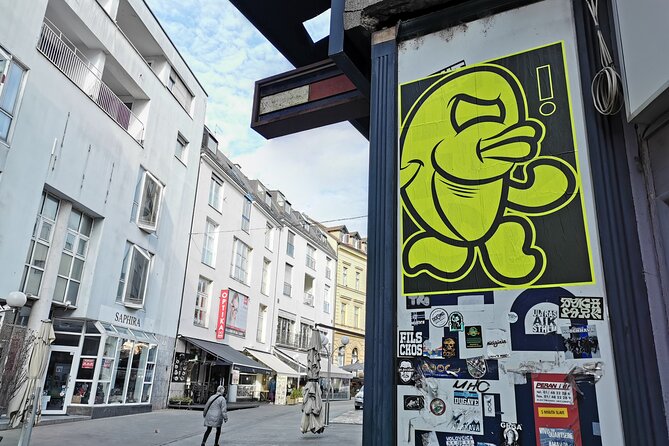
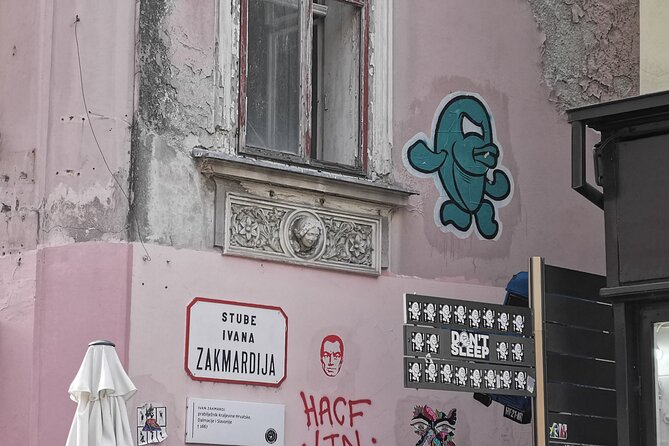
The tour continues to Stube Ivana Zakmardija for around 25 minutes. Stairs and passages matter for street art because they create natural viewing angles and predictable foot traffic. People pause, look up, and pass through slowly—perfect conditions for letter art and layered visual styles.
This is the kind of stop that makes the tour feel like more than a highlight reel. You’re seeing how street art belongs to the city’s architecture, not just to open walls.
If you’re photographing, this is a good place to slow down. The surfaces and sightlines are often more interesting here than in wider streets.
Stop 4: Martićeva ulica Murals—Where You’ll Learn to Spot Styles Fast
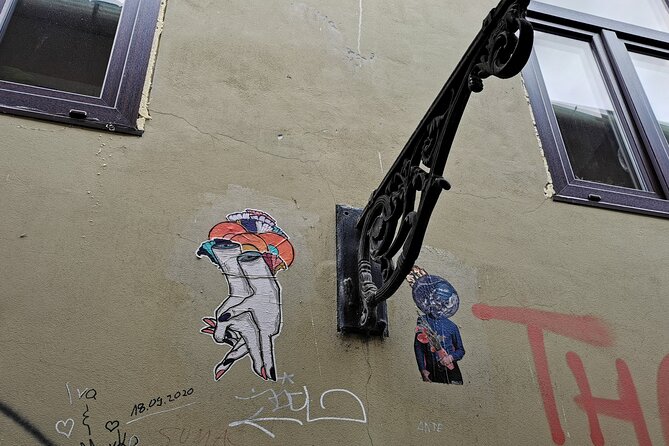
Martićeva ulica is next, with about 40 minutes for murals. This is one of the stops where you can actively practice what you’re being taught. When a guide walks you through style differences, you start recognizing patterns: how lettering feels, how shapes repeat, and how the composition works from different distances.
This long-ish stop is a strong sign you’ll spend time comparing what you see. You’ll probably leave with a clearer sense of how street art communicates—whether it’s decorative, political, or purely expressive.
Footwear helps here. You’ll likely be moving along a street segment rather than standing in one spot, so comfortable shoes are a must.
Stop 5: Držićeva and the Atelier Visit—Turning Street Art Into Real People
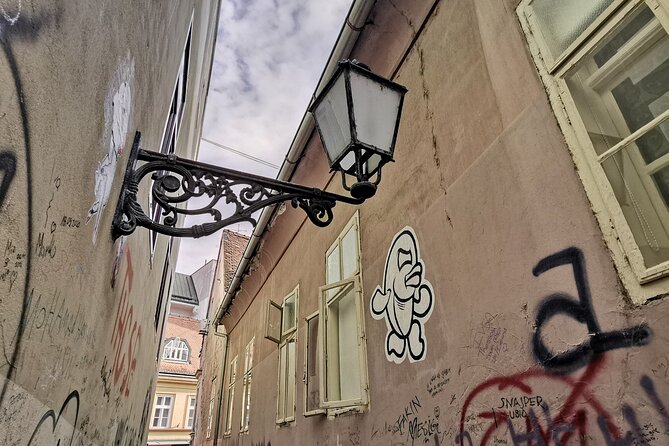
Then comes Držićeva, with about 40 minutes. The highlight is visiting the guide’s atelier/studio—it’s explicitly part of the experience, and it’s a huge value-add.
This is where the tour stops being only about outdoor walls. In an atelier, art is no longer just something you spot; it becomes process. You get a chance to connect the styles you’ve just seen to how an artist thinks and works.
The studio’s listed opening hours are Monday through Friday, 10:00 AM–3:00 PM (within the stated date range). If you’re booking around weekends or late afternoons, plan your schedule so the visit makes sense with those hours.
Also, the tour ends at the atelier/studio area, so you’ll finish in the same creative space rather than being dropped back on the main drag.
Stop 6: Jukićeva ulica—Zagreb’s Art Centers on the Route
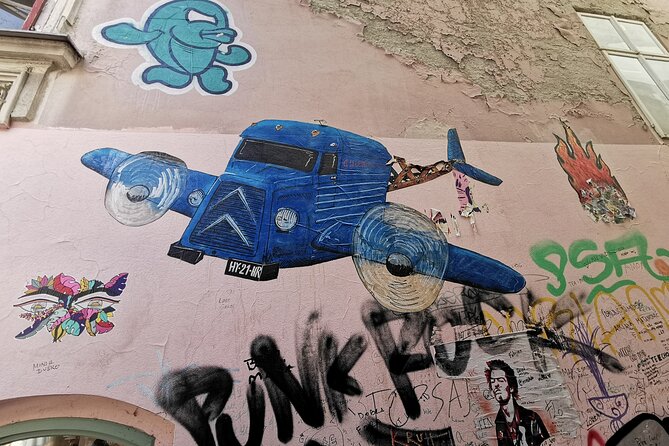
The final street stop is Jukićeva ulica, again around 40 minutes, described as the art center of Zagreb. Even if you don’t go inside formal institutions, this kind of location gives street art context: it sits inside a bigger ecosystem of creativity.
This ending works well because it brings your route full circle. Earlier stops trained you to notice style and placement; the last stretch connects that street-level art to the city’s wider arts scene.
It’s also a good final act because you’re still walking and looking, not rushing through a last-minute checklist.
Timing, Transfers, and How to Make the Most of 3 Hours
The tour runs about 3 hours. That’s long enough to see real variety, but not so long that you’ll feel dragged along. The itinerary includes enough time at each stop that the guide can talk, point, and help you interpret what you’re seeing.
You can expect walking plus comfortable air-conditioned transfers, which is a practical combo. It keeps energy up while still letting you experience the street art where it matters: on the actual streets.
Because it’s a private tour, pacing is flexible for your group. If you’re slow with photos or you want more questions about letter art and tags, that’s the kind of group benefit that usually matters more than the map.
What You Learn: Street Art History Through Styles You Can Recognize
One reason this tour earns such strong praise is how it teaches street art as a legitimate art form. You’re not just counting murals. You’re learning the history and vocabulary behind things like:
- wall tags and letter art
- paste-ups and other street art styles
- the evolution from earlier graffiti writing into current mural trends
That style-based approach is practical. Once you can name what you’re looking at, you’ll notice more on your own after the tour. You’ll start seeing details you’d otherwise walk right past.
And because the guide is a local artist—Kresimir Golubic—the explanations stay grounded in Zagreb, not generic street art talking points.
Who This Tour Fits Best (And Who Might Want a Different Plan)
You’ll enjoy this most if you:
- like art with a story, not just images
- want to understand how street art styles differ and why
- prefer walking routes that focus on one theme
- want a city experience that feels local, not postcard-first
This is also a solid option if you’re traveling with a small group and want a private pace. The fact it’s only your group helps you ask questions without feeling rushed.
If you’re not into visual arts context—if you just want quick photos—this might feel too interpretive. But if you can handle walking and you enjoy learning, it’s a great fit.
Book It or Skip It? My Practical Take
I’d book this tour if you want to see Zagreb through a single lens and come away with new “street art reading skills.” The best part isn’t the number of stops—it’s the combination of style education plus an atelier visit that connects the walls to the artist behind them.
Skip it only if you’re set on a broad, all-over-the-city tour with major landmarks as the main goal. This route is intentionally focused, and it rewards people who like to go deep on one theme.
FAQ
FAQ
How long is the Zagreb Street Art Private Walking Tour?
It’s about 3 hours.
Is the tour private or shared?
It’s a private tour/activity, so only your group participates.
What language is the tour offered in?
The tour is offered in English.
Where do I meet the tour?
You meet at Trg bana Josipa Jelačića 11, 10000 Zagreb, Croatia.
Where does the tour end?
The tour ends at the guide’s atelier/studio at the Oznaka for 16. Meridijankrižanje Vukovarske and Držićeve in Zagreb, Croatia.
Do I need to buy tickets or pay admission at the stops?
The stops listed in the itinerary show free admission.
What happens if the weather is bad?
The experience requires good weather. If it’s canceled due to poor weather, you’ll be offered a different date or a full refund.