REVIEW · ROME
Rome street art tour: off the beaten path with a local guide
Book on GetYourGuide →Run by Rome Travelogues · Bookable on GetYourGuide
Street art in Rome has a secret address. On this 2.5-hour walk led by Lisa, you’ll trade the usual photo stops for two Roman neighborhoods where murals are part of everyday life—especially Garbatella and Tor Marancia.
Two things I love right away: you get both the art and the place behind it, and the neighborhoods feel quieter, more lived-in, and more interesting than the tourist circuit. One consideration: this is a real walking route (about 4 km on a ring-style path), so you’ll want comfortable shoes and a water plan.
In This Review
- Key things I’d circle on your Rome map
- Garbatella Metro start: find the colored amphitheater and set your pace
- Garbatella: Rome’s early 20th-century design zone meets street art
- About 30 murals: how the route turns art into neighborhood history
- Tor Marancia: contemporary street art that feels like an open-air museum
- The ring walk route: timing, distance, and keeping your energy
- Price and value: why $41 makes sense for what you get
- Gelato and photos: small choices that make the walk better
- Who should book this Rome street art tour with Lisa?
- Should you book it? My quick decision guide
- FAQ
- How long is the Rome street art tour?
- How much does the tour cost?
- Where do I meet the guide?
- Which neighborhoods does the tour cover?
- What should I take with me?
- Is the tour in English?
- Do I need a car or can I use public transit?
- Is gelato included?
- FAQ
- Can I cancel for a refund?
- Can I reserve now and pay later?
Key things I’d circle on your Rome map
- Lisa’s local perspective: born and raised in Rome, she ties murals to the history of the streets you’re walking
- Two neighborhood stops: Garbatella for standout murals and monuments, then Tor Marancia for contemporary art
- About 30 murals on one route, so you get variety without burning your whole day
- Easy start on Metro B: get off at Garbatella and you’re right there at the meeting point
- Optional gelato if you want a quick sweet break while you’re out exploring
Garbatella Metro start: find the colored amphitheater and set your pace
The tour meets at the exit of Metro Garbatella. The guide (Lisa) waits right after you come out of the station near a little colored amphitheater, which makes it easier than guessing where the group is. If you’re arriving from the center, the most straightforward approach is the Metro B line (the blue line) to Garbatella.
This matters because it keeps the start low-stress. You’re not hunting for a meeting point tucked into a side street deep in the city maze. You step out, get oriented, and you’re walking soon after.
Once you’re together, you’ll get the flow of the route—what you’ll see, how the neighborhoods connect, and what to watch for as you go. Then it’s on foot, through districts that most visitors skip because they don’t fit into the usual “big sights only” plan.
You can also read our reviews of more tours and experiences in Rome.

Garbatella: Rome’s early 20th-century design zone meets street art
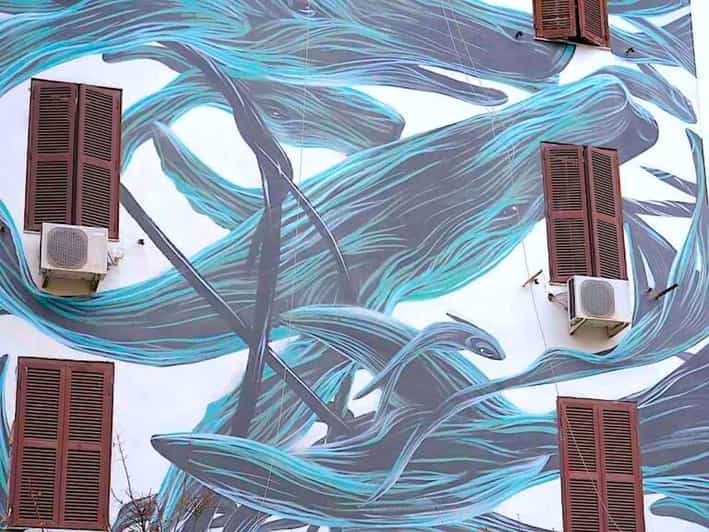
Garbatella is the kind of place that makes you slow down without forcing it. You’ll meet the neighborhood with murals and monuments, but the bigger draw is the area’s distinct look and planning—built by architects from the early 20th century. The result is a Rome corner that feels like it has its own personality, and it’s hard to find another place in the city that matches it.
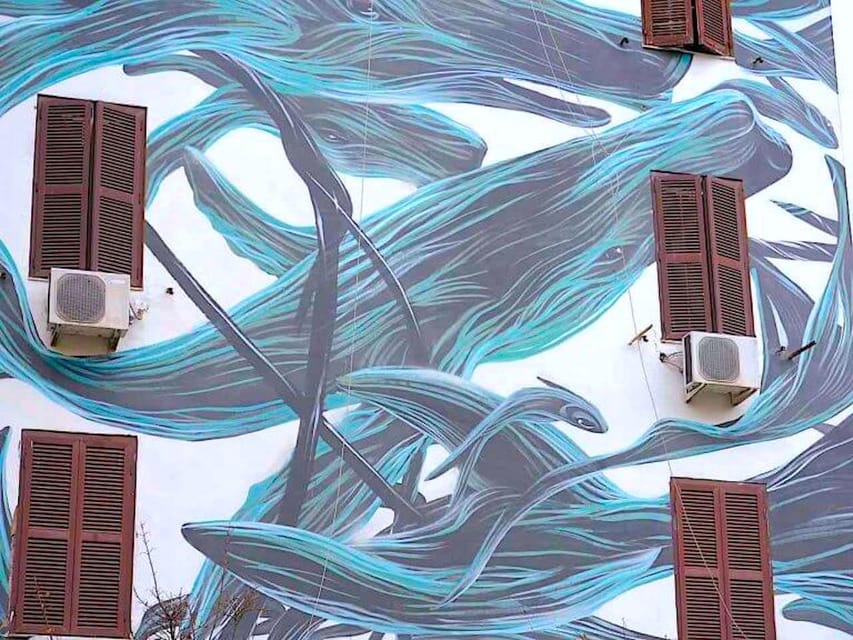
During the Garbatella portion, you’ll see the murals and get the stories behind them: who made the work, what the murals mean locally, and how the neighborhood shaped the art that grew there. The payoff isn’t just pretty walls. It’s learning how street art becomes part of the street’s memory and identity.
A practical note: this section is where having a camera helps, but also where listening matters more than snapping. If you rush through photos, you’ll miss the context that turns a mural from decoration into a conversation with the neighborhood.
If you’re the type who likes understanding Rome beyond the obvious, this is one of the smartest ways to spend a morning or early afternoon.
About 30 murals: how the route turns art into neighborhood history
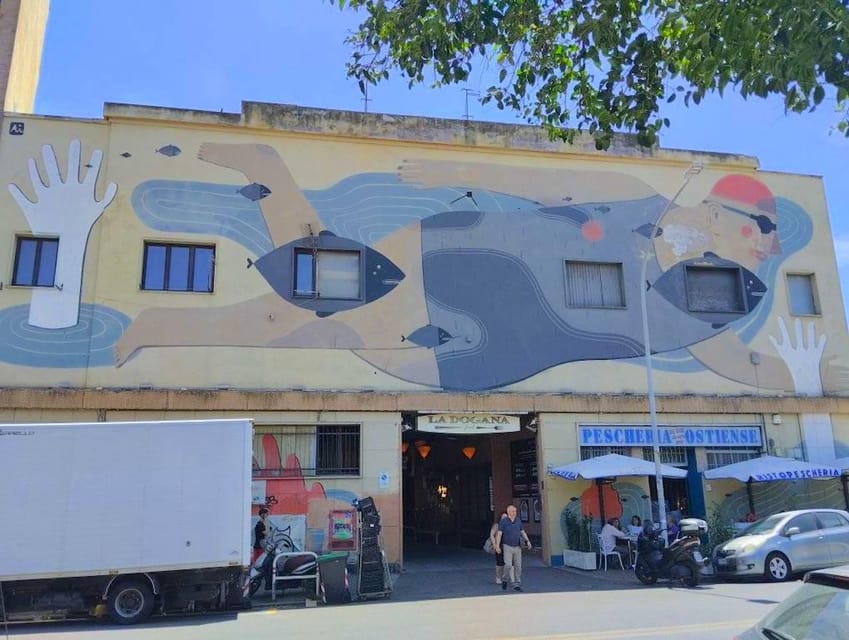
The walking path is designed like a loop: you cover about 4 km and focus on two neighborhoods, with roughly 30 murals along the way. That’s important because it keeps your brain from getting overwhelmed. You’re not running across Rome chasing random artwork. Instead, you’re following a narrative.
Lisa’s approach is simple and effective. She connects what you’re seeing to the history of the streets and the main sights in the areas. You’ll also learn about the authors of the murals and how the art fits into the local scene.
What makes this stand out for me is that the tour doesn’t treat street art like a trend show. It frames murals as something tied to community and time—something that changes how you read the neighborhood as you walk through it.
Also, the language experience is a real plus. The tour is in English, and Lisa’s English is described as very good, so you can follow the details without feeling like you’re working to keep up.
Tor Marancia: contemporary street art that feels like an open-air museum
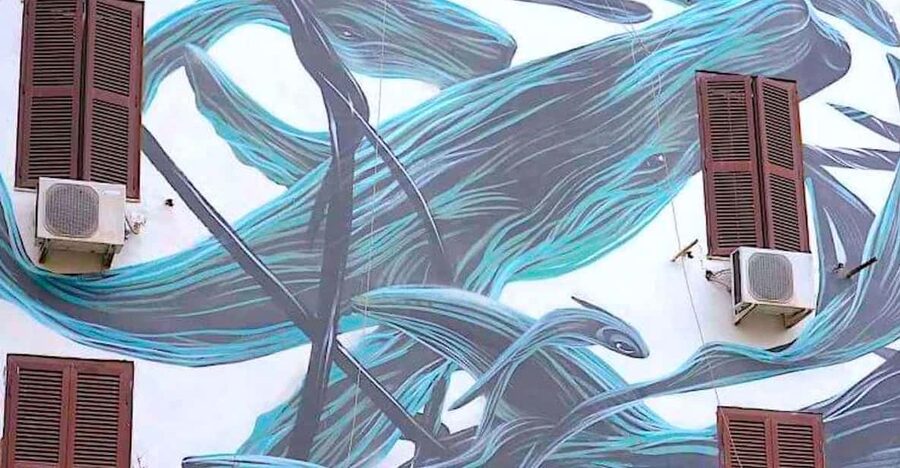
After Garbatella, you head to Tor Marancia. This is the second major stretch of the tour, and it shifts the vibe from neighborhood murals to something closer to an open-air museum for contemporary art.
Tor Marancia is where you’ll likely notice variety—different styles, different messages, and different ways artists use walls as a medium. The area can feel like it’s designed for art to be seen at walking speed, not just from a distance.
This part of the tour is worth giving your attention. When you stop long enough, you start to see patterns in how artists respond to the setting: walls, corners, light, and the way people actually move through the streets. That’s the difference between looking at street art and understanding why it works where it’s placed.
And because Tor Marancia is also outside the typical tourist flow, the whole experience feels calmer. You can take in the art without the constant push of crowds.
The ring walk route: timing, distance, and keeping your energy
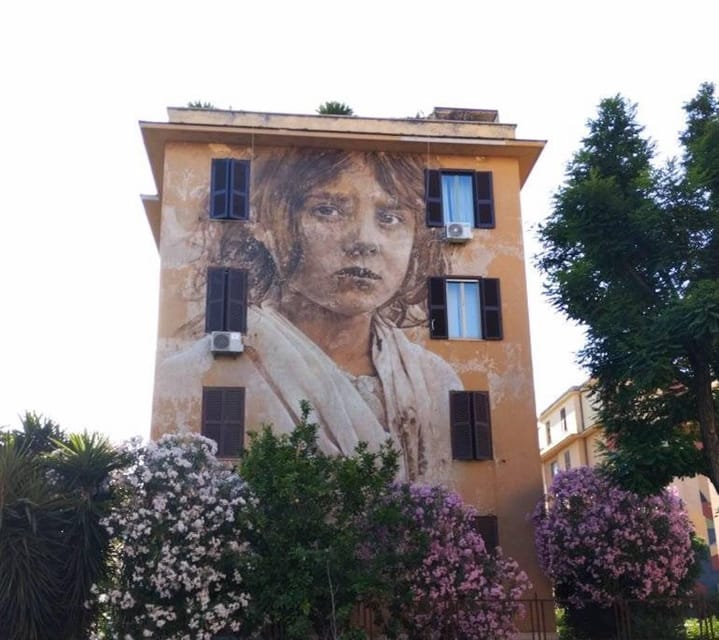
The tour runs for about 2.5 hours. That time includes introductions, walking between neighborhoods, and time at the murals for explanation. The total route is about 4 km as a ring-style walk, so it’s not a long-distance hike—but it’s not a sit-and-van tour either.
Here’s the best way to plan it:
- Wear comfortable shoes—mandatory.
- Bring a water bottle; there’s a chance to refill it for free during the walk.
- If you’re visiting in summer, bring a hat, since sun exposure can stack up while you’re outside.
The pace is ideal if you want a focused experience without rushing. If you prefer a leisurely day, pair it with a lighter plan afterward. If you’re on an action-packed itinerary, this tour still works because it gives you real local immersion without eating your entire day.
You’ll also return to the starting point at Garbatella Metro Station, which keeps logistics simple. You don’t need to plan a complicated pickup or another mode of transit.
Price and value: why $41 makes sense for what you get
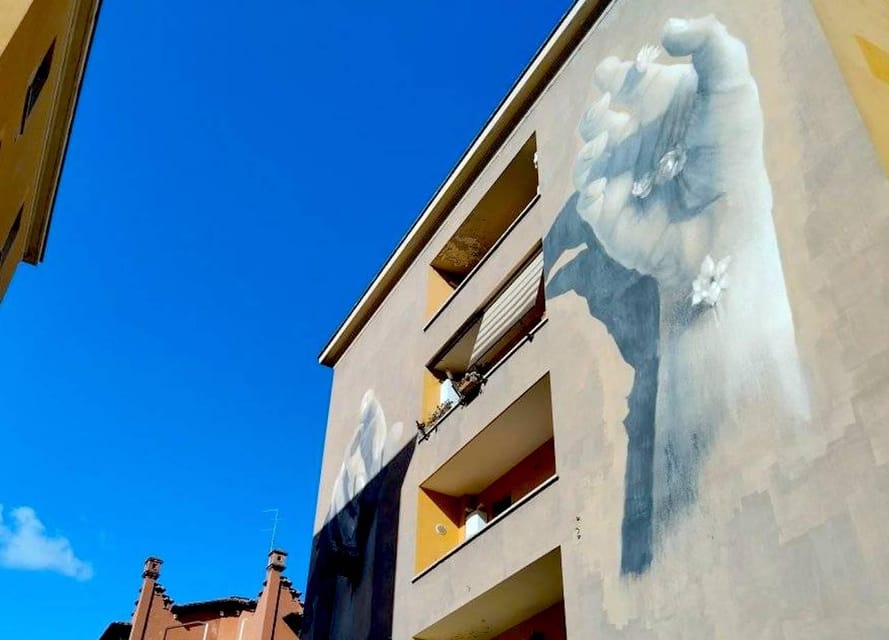
At $41 per person for about 2.5 hours with a live local guide, the value is in what’s bundled into the experience: guided walking, interpretation, and access to art plus neighborhood context in two areas.
Street art tours can be hit-or-miss when they’re mostly photo stops with little explanation. This one is different because Lisa links the murals to the history and character of the districts. You’re paying for a guided story you can’t get from walking around alone.
You also get a route plan that solves a common problem in Rome: knowing where to go for something outside the classic sights. Instead of guessing, you follow a structured walk through neighborhoods you may never think to visit on your own.
If you like art and you also like place-based history—how a neighborhood shapes what people create—this is a fair price for a well-defined local outing.
Gelato and photos: small choices that make the walk better
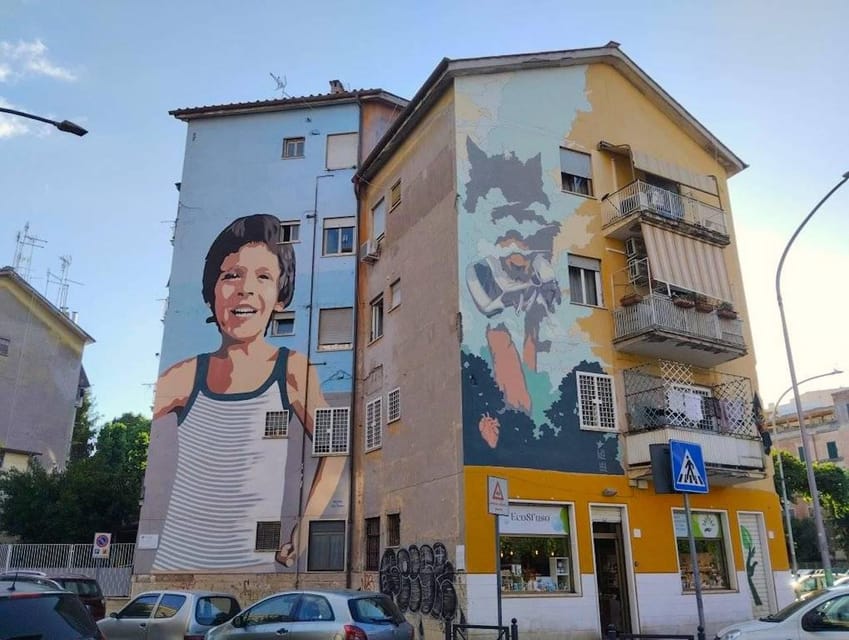
Gelato isn’t included, but you’ll have the option to stop if you want it. If you’re the type who likes to keep momentum, treat it as a quick break rather than a long detour. The tour stays centered on walking and looking, so a short gelato stop fits best.
For photos, bring your usual street-art checklist: clean lens, charged phone/camera, and your best angle for walls with good light. But don’t let photography replace the listening parts. Some murals come with details you’ll only catch if you pause and take in the explanation.
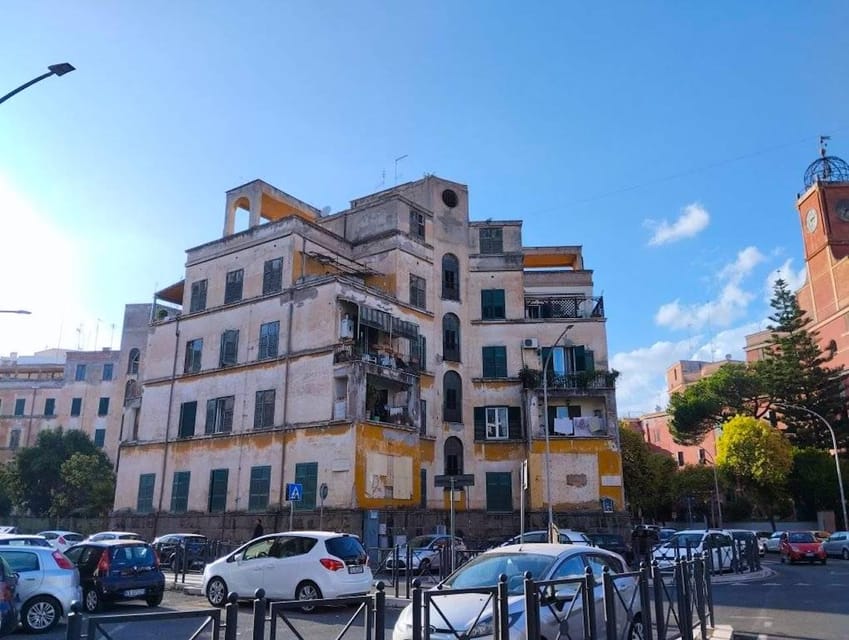
Also, expect that the neighborhoods are designed for real life. That means you’ll see street corners, architecture, and everyday urban textures alongside the art. If you want Rome that feels like a city you could live in—not just a city you pass through—this tour gives you that.
Who should book this Rome street art tour with Lisa?
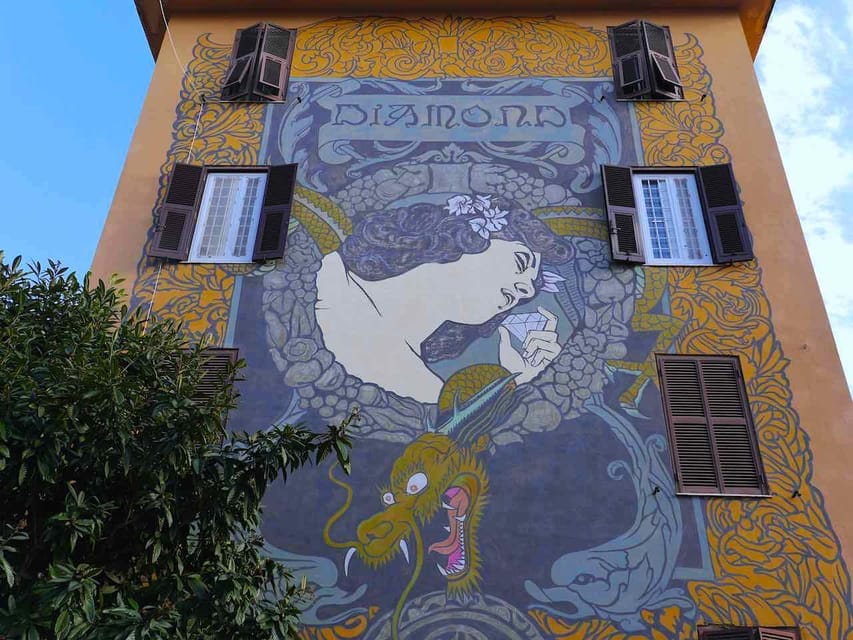
This tour is a great match if you want:
- Street art with context, not just quick sightseeing
- A calmer Roman neighborhood experience away from the most overvisited areas
- An English-speaking guide who can explain both murals and the surrounding areas clearly
- A structured walk you can reach easily by Metro B
It’s also a smart fit for people who have already done the classic highlights and want a different side of Rome. You’ll get the satisfaction of seeing something genuinely local and learning why it matters.
If you hate walking, you might find the route too active. But if you can handle 4 km of walking spread across a couple hours, you’ll likely love the format.
Should you book it? My quick decision guide
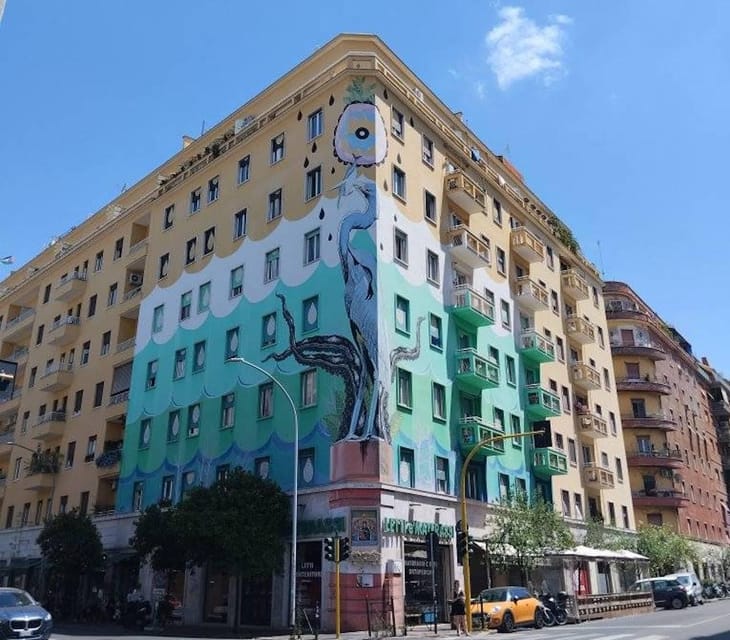
Book this tour if you want Rome that feels real—street art tied to places, with a local guide named Lisa who connects the murals to the neighborhood history. It’s one of the best ways to see street art without turning it into a random scavenger hunt.
Skip it if you’re looking for a mostly indoor museum experience or if you have trouble with sustained walking. The tour is outdoors and you’ll be on your feet.
If you’re on the fence, this is the kind of activity that changes how you look at the city for the rest of your trip. You’ll walk Rome afterward and recognize the streets as stories, not just scenery.
FAQ
How long is the Rome street art tour?
The tour lasts about 2.5 hours.
How much does the tour cost?
It costs $41 per person.
Where do I meet the guide?
Meet at the exit of the Garbatella Metro Station, near a small colored amphitheater.
Which neighborhoods does the tour cover?
You’ll see murals in Garbatella and Tor Marancia, then return through more street art.
What should I take with me?
Comfortable shoes are mandatory. Bring a water bottle (there’s a chance to refill it for free during the walk). A hat is recommended in summer.
Is the tour in English?
Yes, the live tour guide speaks English.
Do I need a car or can I use public transit?
You can use local buses or the Metro B line (blue line) and get off at Garbatella.
Is gelato included?
Gelato isn’t included, but there’s an optional chance to stop for it during the tour.
FAQ
Can I cancel for a refund?
The tour offers free cancellation up to 24 hours in advance for a full refund.
Can I reserve now and pay later?
Yes, you can reserve and pay later, so you can book a spot without paying immediately.