REVIEW · LISBON
Lisbon: Street Art and Historical Walking Tour
Book on GetYourGuide →Run by My Lisbon Tours · Bookable on GetYourGuide
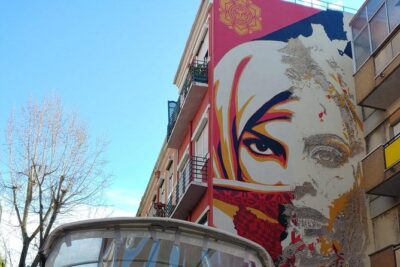
Lisbon’s art is hiding in plain sight. This 3-hour walk pairs seriously good viewpoints with a guided street art route through Graça, Mouraria, and Alfama, plus stop-time for context on the artists and the city around them. The one drawback: you’re walking on Lisbon’s uneven streets and hills, so it’s not the best fit if mobility is an issue.
What I like most is the balance. You get local guide commentary that connects murals and tags to real life and real history, not just wall-watching, and the guide keeps the group moving safely through cracks in pavement and traffic. If you’re lucky enough to have someone like Rui leading (his name comes up often in past tours), the details land fast and stay clear.
This is also a smart way to see Lisbon beyond the main postcard loop, without turning your day into a long slog. With a maximum group size of 8, you’ll actually be able to ask questions as you go.
In This Review
- Key highlights worth marking on your map
- Starting at Miradouro da Graça: views, orientation, then the first walls
- Graça’s street art walk: spotting the artists and the ideas behind them
- Moving east for Portas do Sol: why one more viewpoint changes the whole day
- São Jorge Castle stop: not just a landmark, a context pivot
- Alfama and Mouraria: off the main track, where street life meets wall art
- Small group size and guide style: why max 8 feels worth it
- How hard is the walking? Shoes, hills, and realistic expectations
- Value check: $35 for 3 hours of guide-led art and city context
- Who should book this street art walking tour?
- Should you book this Lisbon street art and historical walking tour?
- FAQ
- How long is the Lisbon street art walking tour?
- How many people are in the group?
- What’s included in the price?
- What isn’t included?
- Where do I meet the guide?
- Is the tour offered in English?
- What should I bring?
- Is the tour suitable for people with mobility impairments?
Key highlights worth marking on your map
- Miradouro da Graça views first: start high, get oriented, and see the city before you chase street art.
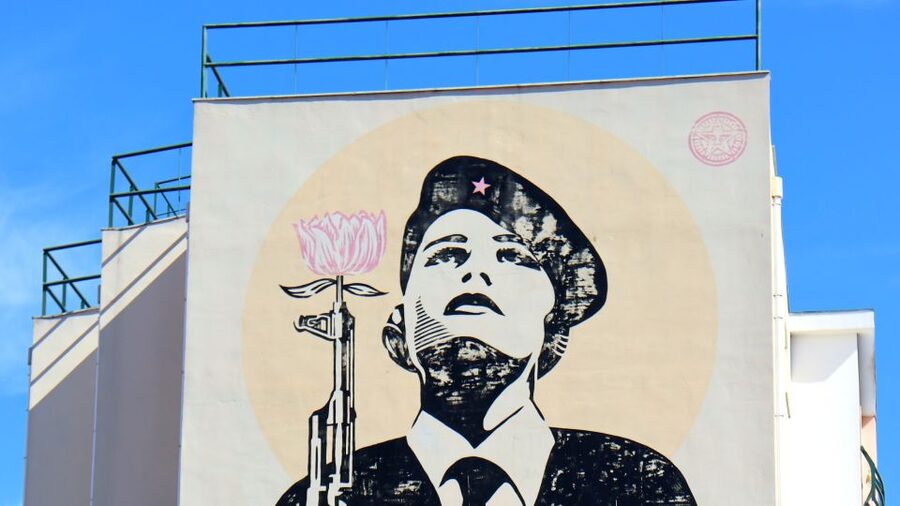
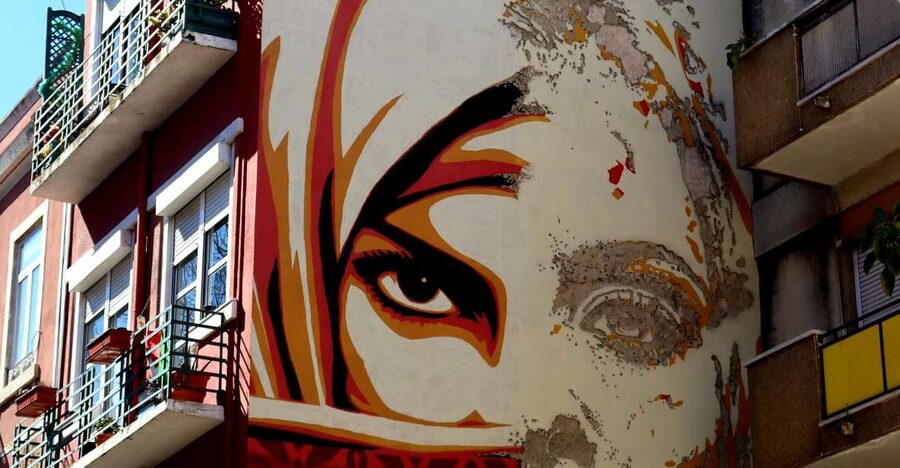
- Street art with names, not mystery: works by Vhils, Nomen, Odeith, and Gonçalo Mar are part of what you’ll look for.
- Portas do Sol lookout on the route: you’ll move east for another big perspective moment.
- São Jorge Castle adds cultural weight: not just a photo stop, but context for why the area matters.
- Small group pacing (max 8): better attention, better safety, easier conversation with your guide.
- A different ending than you expect: the tour can finish at a standout piece that surprises people in the best way.
Starting at Miradouro da Graça: views, orientation, then the first walls
The meeting point is at the church at Miradouro Sophia de Mello Breyner Andresen, also known as Miradouro da Graça (Calçada da Graça, 1100-265 Lisboa). I love this approach because it gets your bearings fast. From here you can see how Lisbon’s neighborhoods stack up on hillsides and why street art in this city often feels tied to place, not just style.
Plan to arrive a few minutes early. The tour starts in this elevated setting, and you’ll want your eyes adjusted to the view before you shift into walking mode.
Then comes the first transition: instead of rushing straight into alleyway walls, you get that “okay, now I get the city” feeling. It makes the later streets in Alfama and Mouraria easier to follow, because you’ve already pictured the geography.
You can also read our reviews of more tours and experiences in Lisbon.


Graça’s street art walk: spotting the artists and the ideas behind them

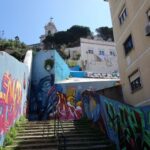
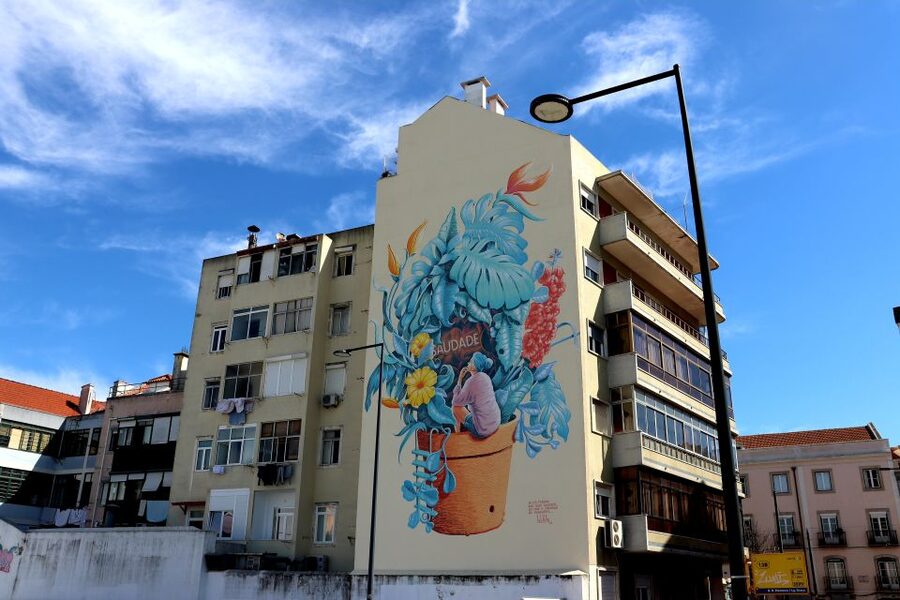
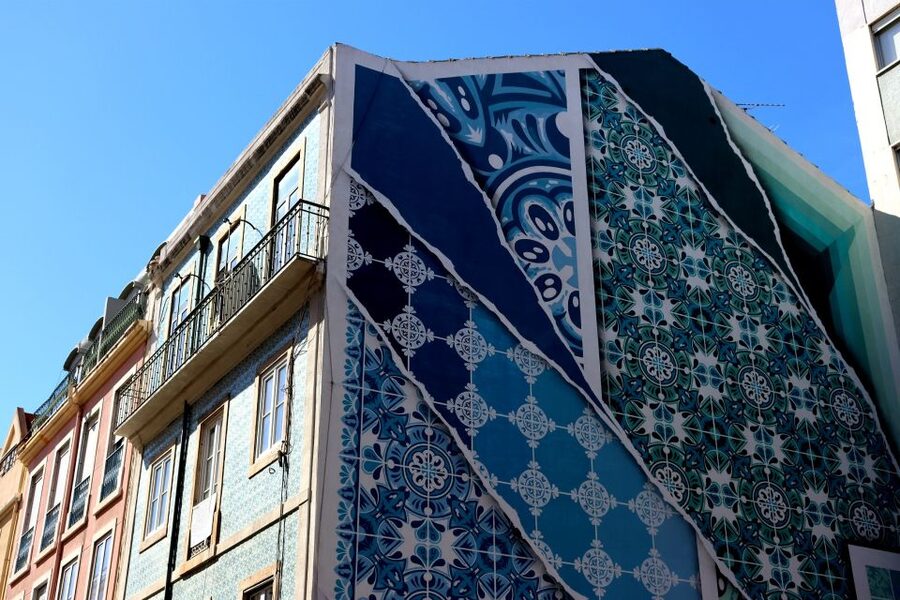
After the lookout, you move into the Graça area and start the street art portion in earnest. What makes this segment work is that it’s not just pointing at cool murals. The guide provides commentary that connects the art to the city’s cultural threads—who’s making it, what they’re responding to, and why it lands the way it does in Lisbon.
You’ll look for works by local and international urban artists, including Vhils, Nomen, Odeith, and Gonçalo Mar. Seeing named artists matters. Once you can attach a name to a style or an approach, you stop treating each wall like a random find and start reading the conversation the artists are having with the city.
Also, the pacing tends to be practical. Lisbon’s sidewalks can be a mix of flat stretches and uneven stone tiles, and past tours highlight that guides pay attention to safety while navigating cracks, traffic, and foot placement. That matters because street art tours can sometimes feel chaotic. Here, you’re walking with a plan.
And yes, you’ll probably spot more than you expected. Part of the magic is that you learn what to notice—details in surfaces, placement, and how the art interacts with the street’s daily rhythm.
Moving east for Portas do Sol: why one more viewpoint changes the whole day
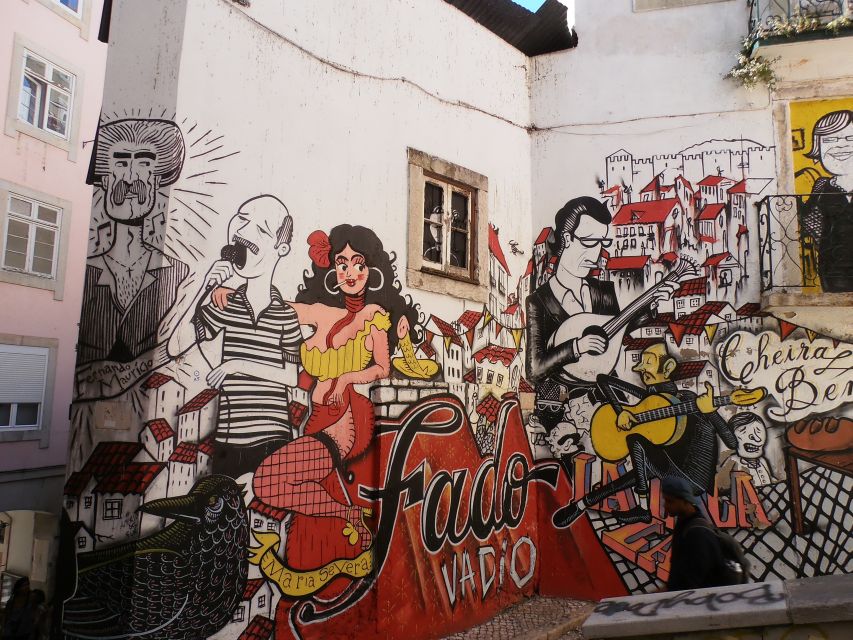
From Graça, you proceed toward the east side of the city. This isn’t random wandering. The goal is to reach another major lookout—Miradouro Portas do Sol—where the city opens up again.
Why do I call this out? Because Lisbon views aren’t just for photos. They help you understand altitude and direction, and they make neighborhoods feel less like a map line and more like real streets you can walk. When you look down from Portas do Sol and then continue into the lower lanes, the trip feels like a deliberate route instead of a sequence of stops.
This is also where the tour’s rhythm clicks: viewpoint, street art look, then more walking, then another viewpoint. It prevents the experience from turning into a nonstop wall-hunt where your brain goes numb.
If you like to “get it all” in one outing—art plus geography plus city storytelling—this layout is a good fit.
São Jorge Castle stop: not just a landmark, a context pivot
At some point in the run, you’ll reach São Jorge Castle. The way this stop is framed matters. You’re not only there for an impressive visual. You also learn more about the city’s cultural heritage, and that turns the castle from a souvenir photo into a reference point for what you’re seeing in the streets.
From a practical standpoint, castle areas can be busy. Expect the guide to manage timing and group movement. Also expect the route to keep you walking—this is a 3-hour walking tour, after all, and the point is to connect places.
The best part of adding São Jorge Castle to a street art route is that it gives you a bigger lens. Street art often reacts to present-day realities, but those realities sit on a foundation of older power structures, shifting communities, and changing urban life. The castle stop provides that background so the art makes more sense.
Alfama and Mouraria: off the main track, where street life meets wall art
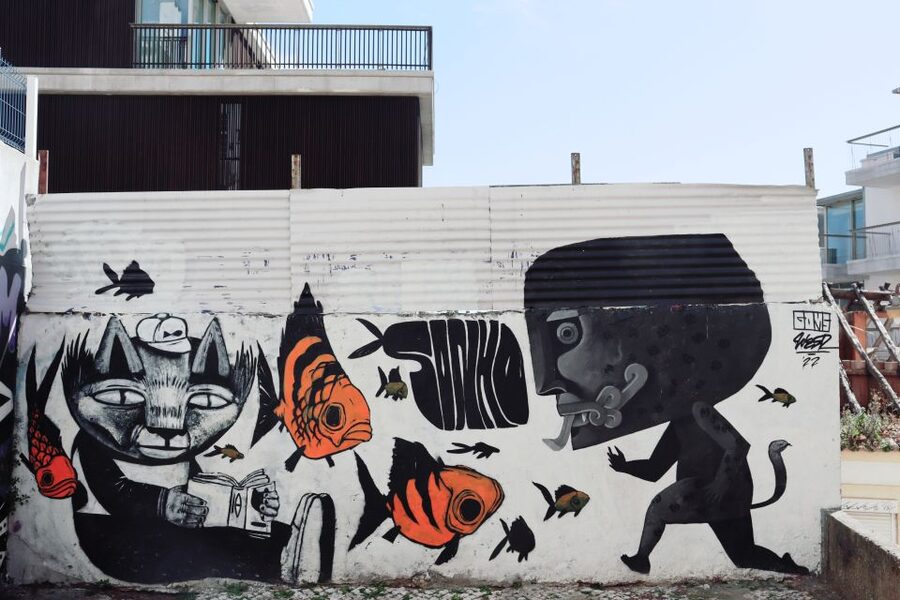
After the castle and lookouts, the tour heads off the beaten path into Alfama and Mouraria. This is the zone where Lisbon’s identity feels strongest to many people—narrow streets, local rhythms, and a sense that life happens right beside the walls.
What I like about this portion is how it shifts your attention from artwork-as-object to artwork-as-part-of-the neighborhood. You learn about life in the city and what to see and do, based on the licensed local guide’s take. That kind of “how to read the area” talk is what transforms a street art tour into a real orientation for your trip.
It’s also where you’ll get a feel for why street art belongs here. When art shows up in tight lanes and busy squares, it isn’t floating in a vacuum. It’s speaking to foot traffic, local identities, and daily conversations that tourists often miss.
One more practical note: these neighborhoods can feel more complex underfoot. Comfortable shoes are a must, especially if you’re going on an uneven-stone day.






Small group size and guide style: why max 8 feels worth it
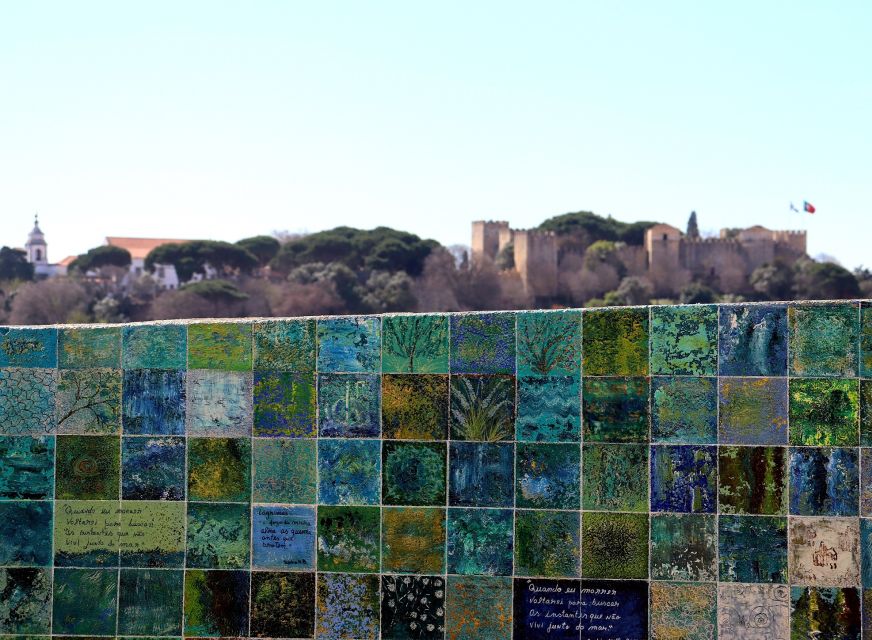
This tour runs as a small group limited to 8 participants, and that’s not a throwaway detail. In a small group, the guide can slow down when someone spots something interesting. They can also keep track of safety as you cross traffic and step over rough patches.
Past tour feedback also points to guides being attentive to group needs and adjusting the level of detail. That’s a big deal if you’re part art person and part history person in the same day—this format works for both.
If you enjoy conversations where art becomes a way to understand politics, culture, and everyday life, you’ll probably feel right at home here. If you only want quick photo stops, you might find the commentary a bit more than you expected. But the pacing is designed so the tour stays active, not lecture-y.
How hard is the walking? Shoes, hills, and realistic expectations
You should wear comfortable walking shoes. This tour isn’t described as fully accessible, and it’s marked not suitable for people with mobility impairments. Even without a specific “difficulty rating,” Lisbon’s street layout makes it clear this is about walking, not rolling.
In practice, the route often starts high and may finish lower, with a feel that includes more downhill than uphill for at least part of the walk. That said, you should still expect hills, steps, and occasional uneven pavement.
If you’re planning the rest of your Lisbon day, treat this tour as one of your active blocks. It’s the kind of outing where you’ll enjoy a relaxed afternoon after.
Value check: $35 for 3 hours of guide-led art and city context
At $35 per person for 3 hours, the value is mostly about what’s included and what you’re getting in return. You’re paying for a live licensed local guide, plus local taxes and fees.
What you don’t get: meals and drinks, and no hotel pickup or drop-off. That means you’re the one who needs to show up ready to walk. But for many people, that’s also what keeps the price reasonable.
Here’s how I’d judge it:
- If you want street art plus city context from someone who can explain how artists think and how Lisbon shapes their work, this price is in the sweet spot.
- If you’re hoping for an easy, low-effort tour where you barely walk and you don’t care about commentary, you may feel like you’d rather spend that time doing a self-guided wandering session.
The strong rating (4.9 from 42 reviews) fits the story: people describe it as their favorite Lisbon activity and call out the guide’s depth and attention to safety. And one detail that keeps coming up is that the tour ends at an especially impressive piece—so you’re not just getting an early highlight and then losing steam.
Who should book this street art walking tour?
Book it if:
- You like street art but also enjoy the ideas behind it.
- You want to see neighborhoods like Graça, Mouraria, and Alfama without getting lost.
- You prefer a guided explanation instead of only reading signs and looking at photos.
- You appreciate viewpoint stops that help you understand Lisbon’s structure.
Skip it if:
- You need a mobility-friendly route.
- You’re not interested in art-related storytelling and would rather do a purely scenic walk.
It’s a great match for couples, solo travelers who like guided conversation, and art-curious visitors who still want solid Lisbon orientation.
Should you book this Lisbon street art and historical walking tour?
Yes, if you want street art with context and you’re comfortable walking Lisbon’s hills and uneven sidewalks. The combination of lookouts (Miradouro da Graça and Portas do Sol), an added historical reference point at São Jorge Castle, and a guide who explains the art’s motives and setting makes the $35 feel justified.
If you want a carefree, minimal-walking sightseeing day, pick a lighter option instead. But if you like learning how a city speaks through its walls, this is one of the most practical ways to experience Lisbon off the main tourist drag.
FAQ
How long is the Lisbon street art walking tour?
The tour lasts about 3 hours.
How many people are in the group?
It’s a small group limited to 8 participants.
What’s included in the price?
The price includes a guide, plus local taxes and fees.
What isn’t included?
Meals and drinks aren’t included, and there’s no hotel pickup or drop-off.
Where do I meet the guide?
Meet by the church located at Miradouro Sophia de Mello Breyner Andresen (Miradouro da Graça), at Calçada da Graça, 1100-265 Lisboa, Portugal.
Is the tour offered in English?
Yes, the live tour guide speaks English.
What should I bring?
Wear comfortable shoes for walking on Lisbon streets.
Is the tour suitable for people with mobility impairments?
No. It’s not suitable for people with mobility impairments.