REVIEW · BANGKOK
Bangkok: Chinatown & Taladnoi Street Art Guided Walking Tour
Book on GetYourGuide →Run by TRIPZA sightseeing · Bookable on GetYourGuide
Bangkok’s Chinatown can feel like a maze, but this walk turns it into a story. I love that you don’t just see landmarks—you move through working neighborhoods where Thai-Chinese heritage shows up in temples, shops, and small shrines. You’ll also finish with an easy plan at the river, not a stressful scramble home.
Two things I particularly like: the tour’s guided storytelling, with guides such as Jenny, Nok, Mai, and Mariyah explaining what you’re looking at in plain, human terms, and the shift from big sights to quieter backstreets in Talad Noi. One possible drawback: it’s still a walking tour, so comfortable shoes matter, and it isn’t suitable for wheelchair users or pregnant women.
In This Review
- Key Takeaways (What Makes This Tour Worth Your Time)
- Entering Yaowarat Through MRT Wat Mangkon (and Why That Start Works)
- 4 Hours, Two Neighborhoods, One Coherent Theme
- Wat Mangkon Kamalawat: The Chinese Spiritual Center You Can Actually Read
- Morning Market Time: Street Food Energy and Incense Atmosphere
- Tian Fah Foundation Hospital: Charity as Part of the Community Story
- Wat Traimit and the Golden Buddha: Fame With a Real Backstory
- Wat Pathum Khongkha: A Royal Quiet Break Between Busy Streets
- Talad Noi’s Ironworks Alleys: Crafts That Shaped the Streets
- Talad Noi Community Museum and Street Art With Context
- River City Bangkok Finish: Turn the Walk Into a Full Day
- What You Actually Get for $19: Strong Value for a Local-Guide Walk
- Who This Tour Suits (and Who Should Skip It)
- Practical Tips to Make the Walk Enjoyable in Bangkok Heat
- Should You Book This Chinatown & Talad Noi Street Art Tour?
- FAQ
- How much does the Bangkok: Chinatown & Taladnoi Street Art Guided Walking Tour cost?
- How long is the tour?
- Where do I meet the tour guide?
- Is hotel pickup available?
- What’s included in the price?
- Are meals included?
- Is the tour available in English?
- What should I wear or bring?
- Who is this tour not suitable for?
- Where does the tour end?
Key Takeaways (What Makes This Tour Worth Your Time)
- Guides who explain clearly (names you may encounter include Jenny, Nok, Mai, Mariyah, Ploy, Jib, and Toto)
- Chinatown beyond the obvious route, with lesser-known alleys, shrines, and spots off the main foot traffic
- Art + history side by side, especially around Talad Noi and the community museum
- A strong spiritual and cultural thread, from Wat Mangkon Kamalawat to Wat Traimit’s Golden Buddha
- A practical ending at River City Bangkok, so you can keep exploring the riverside afterward
Entering Yaowarat Through MRT Wat Mangkon (and Why That Start Works)
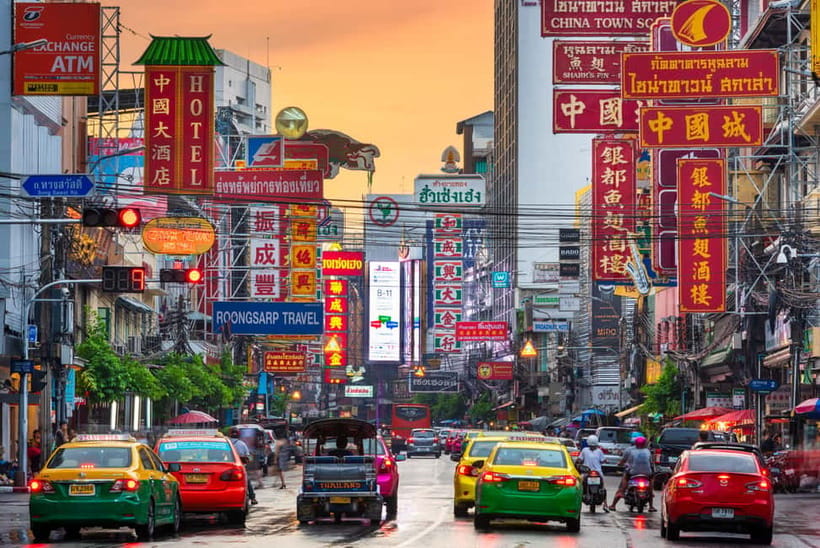
This tour starts at MRT Wat Mangkon Exit 3. That’s a smart choice because it puts you right where you can head into Yaowarat fast, without losing time to long transfers across town. If you pick the optional hotel pickup, a guide will pick you up and hold a sign with your name, which is helpful if you don’t want to deal with station navigation.
Once you meet, the tone is simple: walking, photos, and guided stops that build a clear picture of how this part of Bangkok functions day to day. Expect about 4 hours total, with a natural rhythm—temples, markets, then Talad Noi’s craft-and-community streets.
You can also read our reviews of more tours and experiences in Bangkok.



4 Hours, Two Neighborhoods, One Coherent Theme
The tour is structured around two areas that complement each other.
In Chinatown (Yaowarat), you’ll focus on the big cultural signals: major temples, spiritual life, the sights and smells of a morning market, and the famous Golden Buddha story. In Talad Noi, you shift to craft history and community detail—ironworks alleys, smaller shrines, and street art with context.
That pacing matters because it prevents the “see one temple, then wander randomly” problem. Instead, you get a path you can follow, and you’ll understand why each stop fits.
Wat Mangkon Kamalawat: The Chinese Spiritual Center You Can Actually Read
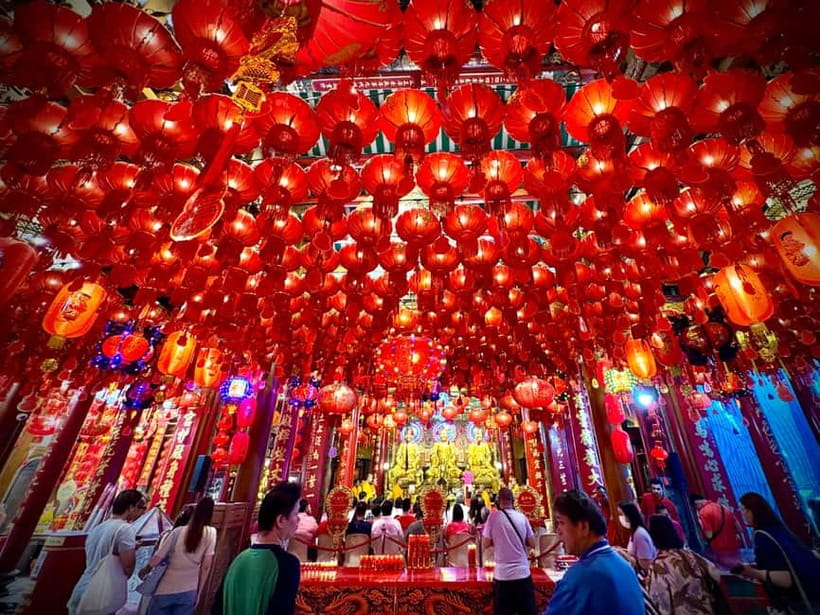
One of the first stops is Wat Mangkon Kamalawat, described as a hub of Chinese spiritual life. This is the kind of place where people aren’t just sightseeing. You’ll likely notice devotional details—incense, ritual spaces, and the everyday presence of worshippers—so the guided explanation becomes the difference between looking and understanding.
The value here isn’t only the temple itself. It’s what it represents: how Chinese heritage took root in Bangkok and still shapes public life. With guides like Jenny or Nok, the explanations are often praised for being clear and easy to follow, which is exactly what you want in a dense, visually busy area.
Morning Market Time: Street Food Energy and Incense Atmosphere
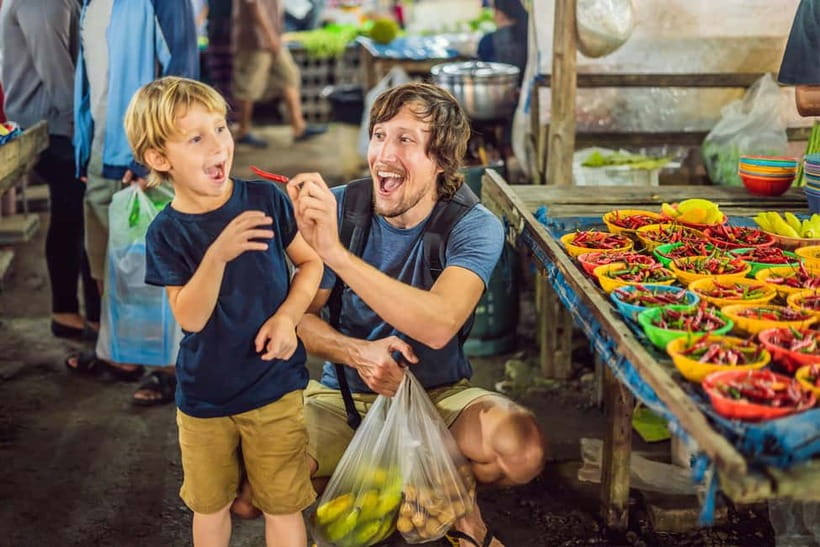
After the temple, the route passes through a lively morning market area. This is where you’ll see local daily rhythms: street food culture, incense, and stalls that feel like they’ve been there forever.
Even if you don’t plan to eat during the tour (meals aren’t included), this section is still worth it for orientation. You’ll learn what you’re looking at and how people move through the space. It’s also a good moment to take photos, since the market energy is strongest earlier in the day.
Tip: this portion can be sun-exposed and active, so you’ll be happier in light clothing and breathable layers.
Tian Fah Foundation Hospital: Charity as Part of the Community Story
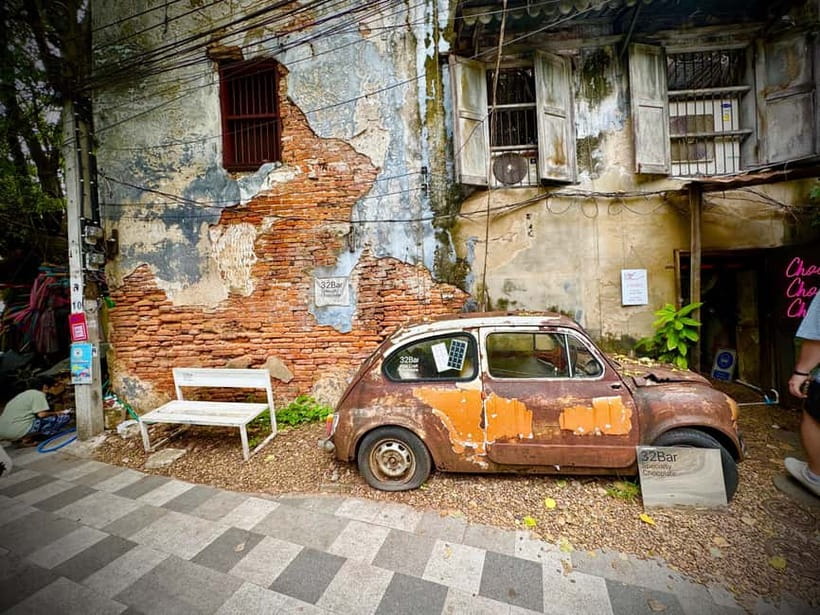
A standout stop is the Tian Fah Foundation Hospital, noted as Thailand’s first Chinese charitable hospital. This matters because it expands the story beyond temples and festivals.
You’ll hear how Chinese communities organized support, not just religion. That’s a more grounded angle on “heritage” than a list of dates—this is heritage as social structure. It also helps you connect Chinatown’s history to something you can still see today: institutions that serve real people.
Wat Traimit and the Golden Buddha: Fame With a Real Backstory
The tour includes a visit to Wat Traimit and the story of the Golden Buddha. This is one of Bangkok’s well-known cultural sites, but what makes it valuable on a guided walk is context.
You’re not just shown the attraction. You’re guided through why it became famous and how the identity of the Buddha connects to the larger Thai-Chinese narrative in this area. The best guides here keep it practical—what to notice, what the symbolism means, and how the site fits into the neighborhood.
Wat Pathum Khongkha: A Royal Quiet Break Between Busy Streets
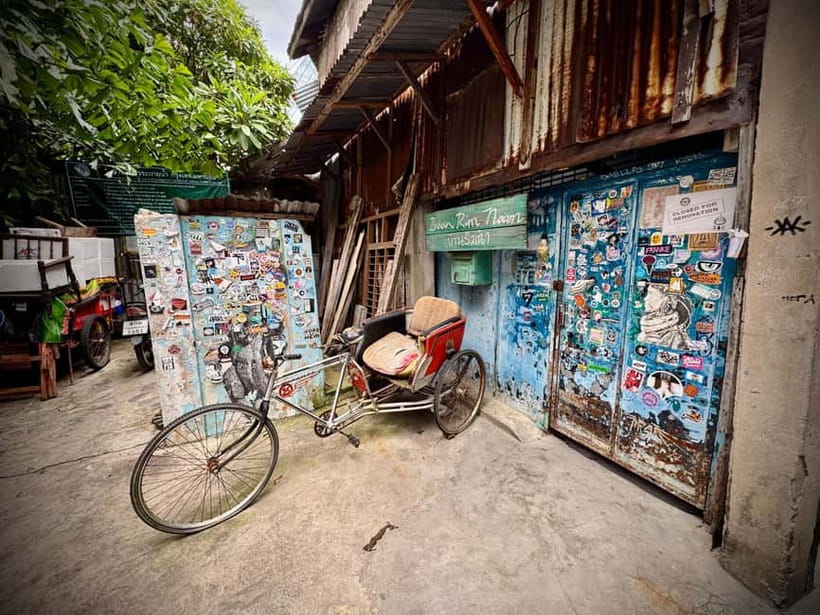
Before you head deeper into Talad Noi, the itinerary includes Wat Pathum Khongkha, described as peaceful and royal. This functions like a palate cleanser.
Chinatown can be intense—crowds, noise, smells, and constant motion. A calmer temple pause helps you reset. It also makes the rest of the walk more enjoyable because you aren’t rushing from one sensory overload to the next.
If you like temples but don’t want them stacked back-to-back, this mid-route break is a smart design choice.
Talad Noi’s Ironworks Alleys: Crafts That Shaped the Streets
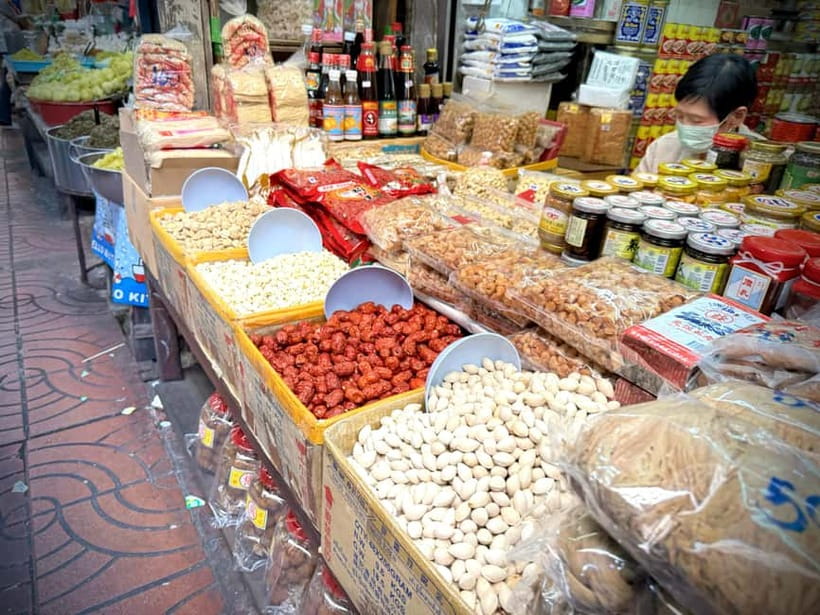
Talad Noi is where the tour earns its “beyond the tourist trail” promise. You’ll enter the historic ironworks alleys, connected to Chinese craftsmen who once forged metal tools.
This section is memorable because it changes how you view the neighborhood. Instead of thinking of Chinatown as only shops and temples, you start seeing it as labor, skill, and trade—an area built by people with specific crafts. The guided narration helps you notice details you might otherwise miss, especially in older, narrower lanes where storefronts and side buildings overlap.
Wear shoes that grip. Some alleyways are uneven and the walking adds up.
Talad Noi Community Museum and Street Art With Context
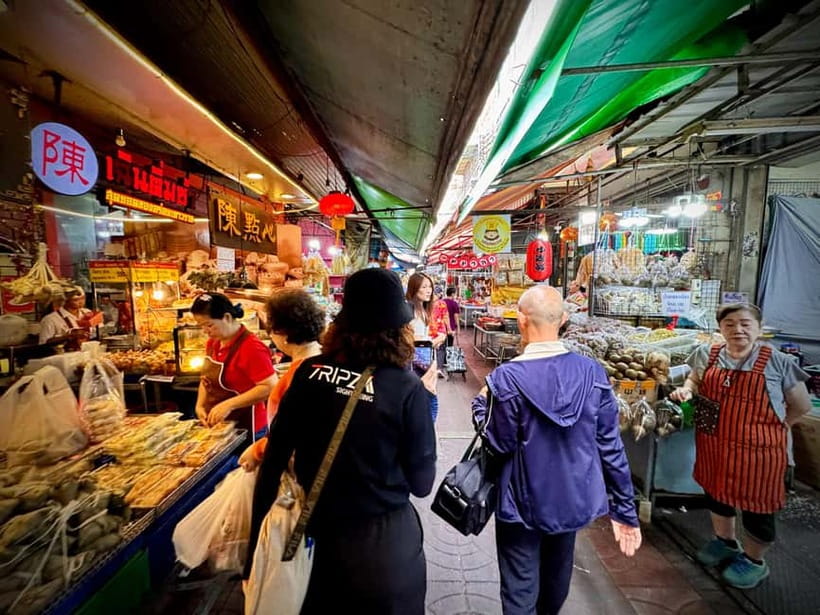
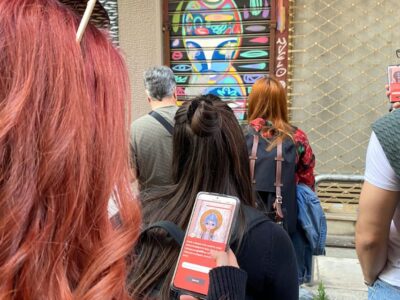
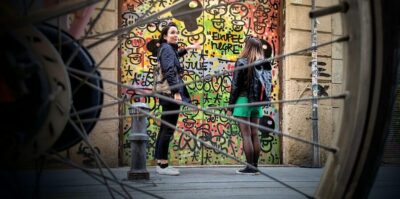
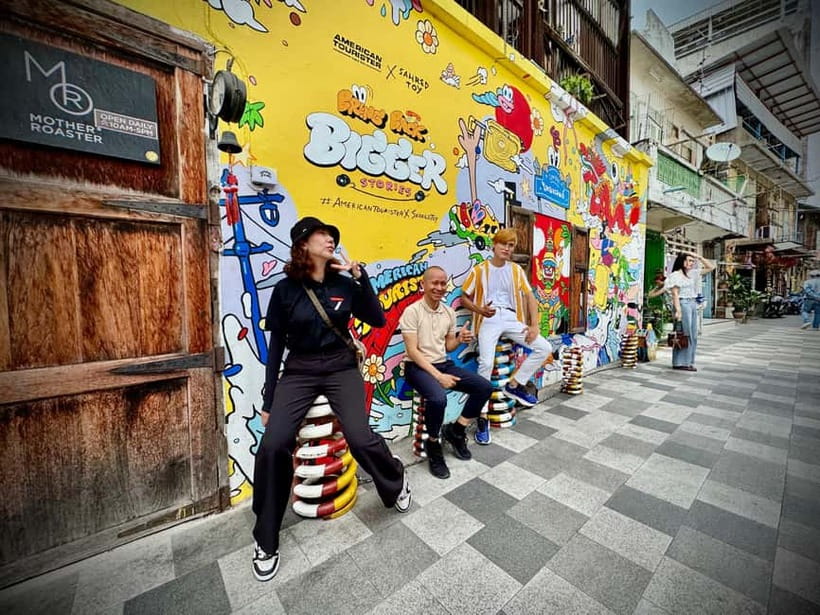
The tour visits the Talad Noi Community Museum, plus street art and hidden shrines tucked between older buildings. The key point isn’t only seeing colorful murals—it’s understanding where the art fits.
On this route, street art isn’t treated like decoration. It’s presented as part of community identity, reflecting memory, immigration-era stories, and the neighborhood’s changing role as commerce evolved. If you enjoy places where you can connect what you see to why it exists, this museum-and-art pairing is a highlight.
Also, hidden shrines between old buildings are the sort of thing you could miss on your own. With a guide, you get a reason to slow down and look properly.
River City Bangkok Finish: Turn the Walk Into a Full Day
The tour ends at River City Bangkok on the banks of the Chao Phraya River. That’s a great finish for two reasons.
First, it gives you an obvious next move—riverside lunch, a relaxed wander along the water, or a scenic boat ride. Second, you’re not forced to fight traffic again right after your walking day. You can stretch out, take photos, and decide how ambitious you want to be for the rest of the afternoon.
What You Actually Get for $19: Strong Value for a Local-Guide Walk
At $19 per person for about four hours, the value comes from what’s included and what’s avoided.
Included:
- A fully licensed English-speaking guide
- Bottle of water
Not included:
- Meals
- Personal expenses
The price works best if you want a guided route that connects the dots—temples, hospitals, the Golden Buddha story, craft alleys, community museum, and street art—without having to plan each stop yourself. This is one of those tours where the guide’s explanations turn scattered sights into a coherent experience.
If you’re the kind of traveler who loves self-paced wandering, you can still do Chinatown independently. But Chinatown is big and dense, and the guided structure is what makes this one feel efficient.
Who This Tour Suits (and Who Should Skip It)
This tour is a great fit if you:
- Want Chinatown beyond the main tourist strip
- Like walking tours that mix culture with practical neighborhood stories
- Appreciate temples, markets, and street art—but want an explanation for what you see
- Prefer a small set of stops done well rather than 20 quick photos
It’s not suitable for pregnant women or wheelchair users, based on the tour’s stated limitations. It also calls for comfortable shoes and sun protection, so plan around Bangkok heat.
If you hate crowds or walking, consider a shorter option instead. This one is designed for movement.
Practical Tips to Make the Walk Enjoyable in Bangkok Heat
A few things will make your experience smoother:
- Wear comfortable shoes you trust on uneven sidewalks and alleys
- Bring a hat and sunscreen—this area can be sun-exposed
- Carry your own water too, even though you’ll receive bottled water on the tour
- Expect to be outdoors between stops, especially around market areas and backstreets
Also, if you’re booking with hotel pickup, be ready and waiting at least five minutes early. That avoids delays when you’re trying to start walking on time.
Should You Book This Chinatown & Talad Noi Street Art Tour?
I think you should book if you want a guided route that actually teaches you how Yaowarat and Talad Noi work—spiritually, socially, and through trade and craft. The biggest strength is the combination of story-led temple stops and community-level details like ironworks alleys, the Talad Noi Community Museum, and shrines you’d likely miss on your own.
Book it if you enjoy guides who explain with clarity and kindness—many guides named Jenny, Nok, Mai, Mariyah, Ploy, Jib, and Toto come up as standouts for pacing and explanation quality. Choose a different option only if you can’t do sustained walking or you need wheelchair access.
If your goal is a Chinatown morning that feels thoughtful, structured, and useful—this is a solid pick.
FAQ
How much does the Bangkok: Chinatown & Taladnoi Street Art Guided Walking Tour cost?
The price is $19 per person.
How long is the tour?
The tour lasts 4 hours.
Where do I meet the tour guide?
Meet your guide at MRT Wat Mangkon Exit 3.
Is hotel pickup available?
Pickup is optional. If you choose pickup, be ready in the hotel lobby at least 5 minutes before the scheduled pickup time, and your guide will hold a sign with your name.
What’s included in the price?
A fully licensed English-speaking guide and a bottle of water are included.
Are meals included?
No. Meals are not included.
Is the tour available in English?
Yes. The tour is guided in English.
What should I wear or bring?
Wear comfortable shoes and light clothing. Bring a hat and sunscreen, and carry a water bottle for hydration.
Who is this tour not suitable for?
It’s not suitable for pregnant women or wheelchair users.
Where does the tour end?
The tour ends at River City Bangkok on the banks of the Chao Phraya River.