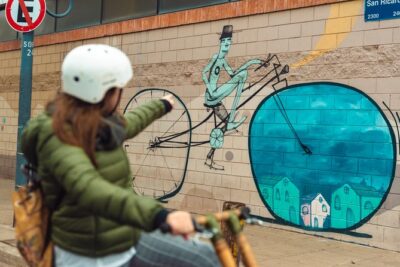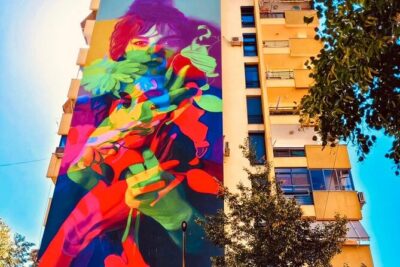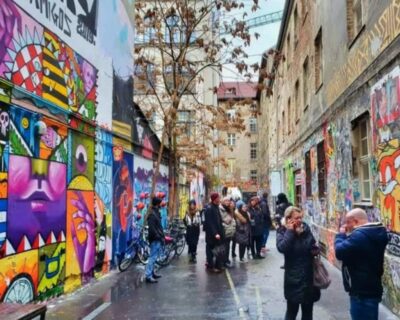
Three hours, two wheels, a lot of street art. This Amsterdam bike tour mixes industrial redevelopment with real street-art energy, plus ferry views that make the whole city feel bigger than the map. I love how it gets you out of the usual center loop and into West and Amsterdam North with fast, low-stress riding. I also like the small-group feel, so your guide can answer questions without turning your day into a slideshow.
Just note one thing: you’ll need moderate fitness and solid bike confidence. The guides also decide on the spot if your skills are good enough for safety, and they do not wait longer than 5 minutes.
In This Review
- Key points worth knowing
- Entering Amsterdam West, Then Turning Toward the North
- Meeting at Mike’s Bike Tours, Then Rolling from Vondelpark
- Oud-West Lanes: Wide Streets, Food, Music Venues, and an Easy Start
- Westergas: From Old Gas Factory to Culture Park Since 2003
- Westerpark: A Calmer 19th-Century Break With Art in the Park
- Pontsteiger and the Houthavens Crossing: Architecture Meets a Ferry Break
- NDSM Wharf: Street-Art Terrain, Big Ship-Making Halls, and an Old Crane
- Faralda Crane Hotel: One Landmark, Many Photo Angles
- Amsterdam North Bikepaths, the Eye Film Theatre, and the Central Station Wrap
- Price and Value: What $59.13 Buys You (and What It Doesn’t)
- Pacing, Skills, and Weather: How to Prepare Like a Pro
- Who This Tour Fits Best (and Who Might Want to Skip)
- Should You Book This Amsterdam Street-Art Bike Tour?
- FAQ
- How long is the Amsterdam street art bike tour?
- What does the tour cost?
- What time does the tour start, and where do we meet?
- Is the tour offered in English?
- How big is the group?
- What’s included in the price?
- What should I bring if it’s rainy?
- Is food included?
Key points worth knowing
- Small group size (max 12): more guide attention and a calmer ride pace
- Ferry crossings included: great photo angles and a break from nonstop bike time
- Westergas and Westerpark stops: culture spaces inside older industrial buildings
- NDSM Wharf street-art area: ramps, halls, and an old crane that set the tone
- Faralda Crane Hotel photo moment: a former crane turned hotel landmark
Entering Amsterdam West, Then Turning Toward the North
Amsterdam is great on foot, but a bike changes the rhythm fast. In just a few hours, you can cover parts of the city that usually take half a day of trams and cross-town walking. The tour is designed for that exact payoff: you start in a central bike-ready area, then move steadily through neighborhoods where locals actually spend time.
This is also a street-art themed route, but it’s not only about murals. The focus is on context—how Amsterdam’s industrial spaces got re-used, and how that shaped the art you see today. You get wide streets with room to move, old factories re-imagined as culture spaces, and waterfront architecture that looks very different from the classic canal postcard stuff.
You’ll ride with a professional guide, using an included bike and helmet. There’s also a rain jacket included, which is huge in a city where weather can change without asking permission.
You can also read our reviews of more tours and experiences in Amsterdam.


Meeting at Mike’s Bike Tours, Then Rolling from Vondelpark
The tour starts at Mike’s Bike Tours Amsterdam (Oosterdoksstraat 106, 1011 DK Amsterdam). You’ll want to arrive a few minutes early because the operation does not wait more than 5 minutes—Amsterdam bike culture is efficient, and the day moves on.
After setup, you head out from A Bike Vondelpark. That first stretch matters more than you’d think: it helps you settle into the group speed, test your brakes and gears, and get comfortable with Amsterdam’s bike lanes before the route widens.
This isn’t a complicated tour logistically—you’re issued what you need (bike, helmet, rain gear) and you just follow the guide’s plan. The practical bonus: you don’t have to figure out bicycle logistics right when you’re still trying to orient yourself.
If you’re the type who hates feeling rushed, pick a calm start. The tour begins at 1:00 pm, and booking ahead is common, so early preparation helps you enjoy the ride instead of stressing about timing.
Oud-West Lanes: Wide Streets, Food, Music Venues, and an Easy Start
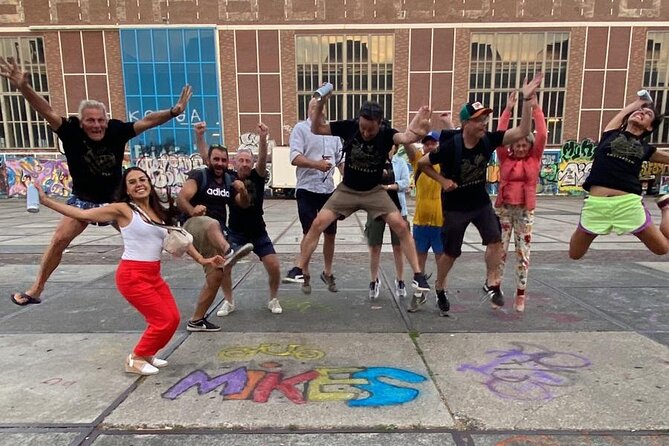
Your first main area is Amsterdam West, moving through Oud-West. This is a good warm-up neighborhood because the streets are relatively wide and the overall vibe is more relaxed than the tightest canal corners. You’ll pass lots of places that look like they belong on a local weekend plan—trendy bars, restaurants, and concert venues lining streets that are built for everyday movement.
Why this works: you’re not thrown into the most tourist-heavy zones first. You get to feel how the city flows by bike, then the route gradually turns toward the more industrial, art-forward parts of Amsterdam North.
Possible drawback: if you’re expecting only canals and museum facades, this opening stretch may feel more urban-and-modern than historic. Still, it sets up the big contrast later when industrial spaces and ferry architecture take over.
Westergas: From Old Gas Factory to Culture Park Since 2003
Next you visit Westergas, an old gas factory that has been turned into a culture park since 2003. This kind of re-use is a big part of Amsterdam’s identity: buildings that were built for one purpose get a second life with art, events, and creative communities.
On this stop, you’re not just looking at brick—you’re watching a city story. You can almost see the logic of the transformation: heavy industry needs big spaces and strong structures, which later become perfect shells for galleries, studios, and public hangout areas.
The practical side: this is a short stop (about 10 minutes). That means you’ll get enough time for photos and a quick orientation, not a long lecture.
Westerpark: A Calmer 19th-Century Break With Art in the Park
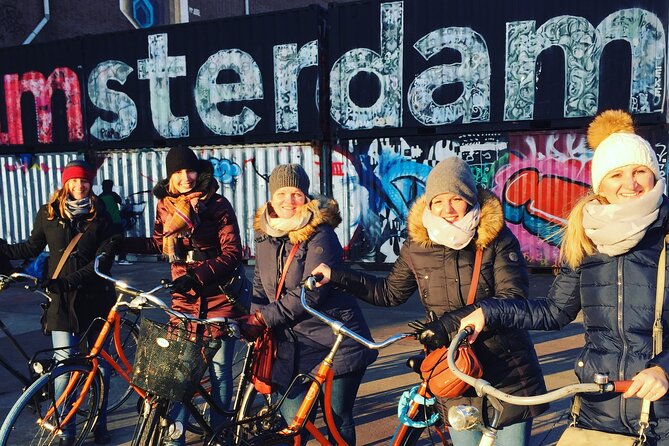
Then you ride through Westerpark, a 19th-century park that feels calmer than many other green spots in the city. People come here for the space to breathe—and for the art. You’ll see pieces of artwork integrated into the park environment, which makes it feel less like a break from sightseeing and more like the sightseeing.
This is also where surprises can happen. One memorable moment from the ride is a pony sighting in the park—exactly the kind of quirky thing that makes a route like this feel lived-in rather than scripted.
Why it matters for you: park stops are not just rest stops. They’re also visual reset buttons. After blocks of architecture and concrete edges, the greenery helps your brain absorb what you’ve already seen.

Pontsteiger and the Houthavens Crossing: Architecture Meets a Ferry Break
From there, you cycle toward Pontsteiger, moving over to the newer Houthavens area. You’ll spot the modern Pontsteiger building and also catch architecture tied to the old harbor setting. It’s a clean “then and now” mix.
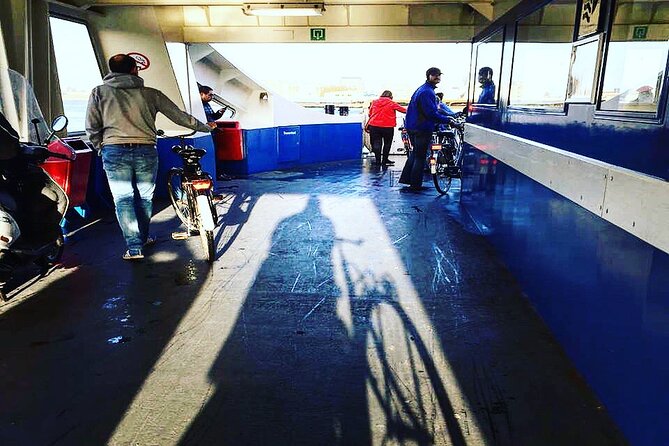
The best part here is the ferry moment. You take a ferry to the other side of the river, and that changes the experience immediately. Bike tours can feel like you’re moving nonstop; a ferry crossing gives your legs a chance to recover, and it gives you a different camera angle on the city.
If you love urban design, this is where Amsterdam can start to feel like an architectural course. If you’re more casual, it still delivers because the river and skyline views are naturally photogenic—and the ferry ride breaks up any fatigue.
NDSM Wharf: Street-Art Terrain, Big Ship-Making Halls, and an Old Crane
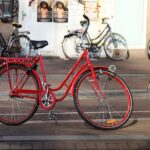
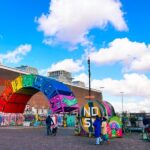
NDSM Wharf is where the tour’s street-art theme gets real. You’re looking at a site tied to early 20th-century shipbuilding, with big halls, ramps built for ships, and an old crane. Ships were built here until the 1980s, and you can still sense the scale—even without stepping inside.
Then comes the art layer. The terrain is famous for street art, and that industrial setting changes how you read the artwork. A mural in a clean neighborhood is one thing; a mural on weathered ramps and tall industrial walls has a completely different attitude.
There’s also time to grab a drink in one of the inspiring bars on the terrain. Just remember: beverages are not included, so treat it like a chance to refresh at your own cost.
This is also the stop where you’ll likely want your phone ready, not just for photos, but for a quick loop of exploring nearby walls and viewpoints during the short window.
Small-group advantage: with fewer people on the ride, the guide can help you pick the right spots to look at—so you don’t waste your time hunting.
Faralda Crane Hotel: One Landmark, Many Photo Angles
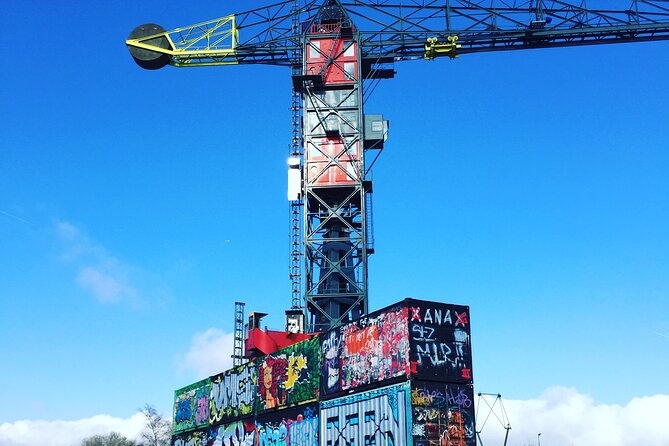
A quick stop follows at Faralda Crane Hotel, which was made in an old crane. Even if you only catch it for a few minutes, it’s the kind of building that hits your brain with a simple question: how did a crane become a hotel?
That’s the whole point of the tour’s mindset. Amsterdam doesn’t always bulldoze old industrial structures; it repurposes them. Here, you get a dramatic example where form stays bold, but function becomes hospitality.
This is a short moment, but it’s a strong one—think of it as the visual punchline after the NDSM industrial terrain.
Amsterdam North Bikepaths, the Eye Film Theatre, and the Central Station Wrap
After Faralda, the ride shifts into Amsterdam North via bikepaths. The vibe changes again. You’ll move through areas that feel more industrial and modern at the same time, with architecture that looks like it belongs to a different era than the canals.
You’ll also pass the Eye film theatre, another marker of how Amsterdam North blends public culture with sleek contemporary design. It’s the kind of sight that helps the route feel like more than just a street-art scavenger hunt.
Then comes the Central Station cycling culture segment. You take a ferry again, cycle along near Amsterdam Central Station, and learn more about cycling culture—how Amsterdam keeps bike travel central without treating it like a side activity.
This part is valuable because it turns what you see into what you understand. You’re not only noticing the bike lanes; you’re learning why they work and what they mean for daily life in the city.
Price and Value: What $59.13 Buys You (and What It Doesn’t)
At $59.13 per person for about 3 hours, this tour is priced like a serious, guided city activity, not a casual hop-on ride. Here’s why it feels fair.
You’re getting:
- a professional guide
- a bike and helmet
- a rain jacket
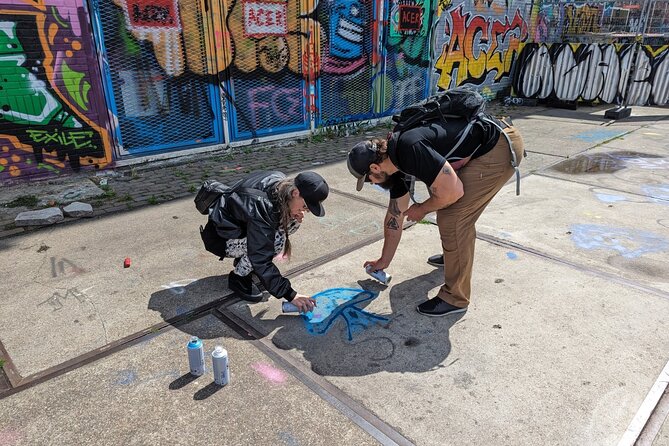
- a graffiti experience as part of the route
- local taxes
- ferry rides included in the plan
What you’re not getting:
- food and drinks
- hotel pickup/drop-off
So the value equation depends on what you would otherwise pay for. If you were to rent a bike yourself, figure out neighborhoods on your own, and then add ferry time plus a guided explanation, the cost can quickly feel similar once you price in time and effort. Paying for the guide is what saves you mental energy—especially in areas like NDSM where it helps to know what you’re seeing.
Also, this is a small group (max 12). At this price point, that’s not just a comfort perk. It also affects quality: more chance for questions, fewer bottlenecks, and a smoother ride.
Pacing, Skills, and Weather: How to Prepare Like a Pro
This bike tour runs in all weather conditions. The good news: rain gear is provided. The not-so-fun part: you’ll still feel wet, cold wind, and puddles if you don’t dress for it.
Plan for:
- layers (easy to adjust)
- water-resistant shoes if you can
- a compact way to keep your phone protected
The other big factor is bike skill. You’re asked to have a reasonable level of fitness and biking ability. The guides decide if your skills are safe enough to join the tour, so don’t show up expecting to borrow confidence mid-ride.
How hard is it in real terms? It’s a city bike route, so think steady rather than extreme. And it’s been handled by people in their seventies who were in decent shape—meaning it’s not designed to be an athletic test. It’s designed to be enjoyable and safe.
Who This Tour Fits Best (and Who Might Want to Skip)
I think this tour is perfect if you:
- want Amsterdam street art with context, not just photos
- like cycling but don’t want the stress of planning every turn
- enjoy industrial-redevelopment stories and unusual architecture
- want a small group where you actually get answers
It may be less ideal if you:
- dislike riding bikes for sustained stretches
- are very sensitive to weather (even with rain jackets, you’ll still feel the outdoors)
- expect a heavy focus on canals and famous museums only
Should You Book This Amsterdam Street-Art Bike Tour?
If you’re choosing between a standard canal walk and something more hands-on, I’d lean toward this bike tour—especially if your timing and comfort level match the moderate fitness requirement. You’re paying for a guided route that links street art to the real places that made it possible: Westergas, Westerpark, NDSM Wharf, and the crane hotel area.
The biggest reason to book: you get the fast coverage of cycling plus the visual break of ferry crossings, all in a small group. It’s exactly the kind of afternoon activity that makes Amsterdam feel like it has layers beyond the obvious highlights.
If you’re a confident cyclist and you want a route that feels local—industrial, arty, and a bit surprising—this is a strong yes.
FAQ
How long is the Amsterdam street art bike tour?
It’s approximately 3 hours.
What does the tour cost?
The price is $59.13 per person.
What time does the tour start, and where do we meet?
The start time is 1:00 pm. The meeting point is Mike’s Bike Tours Amsterdam at Oosterdoksstraat 106, 1011 DK Amsterdam.
Is the tour offered in English?
Yes, it’s offered in English.
How big is the group?
The tour has a maximum of 12 travelers.
What’s included in the price?
Included are local taxes, a professional guide, bicycle use, helmet use, rain jacket, and a graffiti experience.
What should I bring if it’s rainy?
You’ll receive a rain jacket, but you still should dress appropriately for weather since the tour operates in all weather conditions.
Is food included?
No. Food and drinks are not included, though there is time to stop and have a drink on-site at NDSM.