REVIEW · BRUSSELS
Brussels Comics & Street Art: Private Walking Tour
Book on GetYourGuide →Run by City Unscripted · Bookable on GetYourGuide
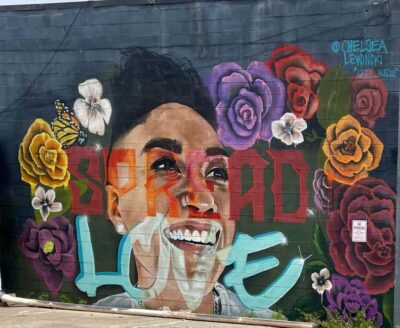
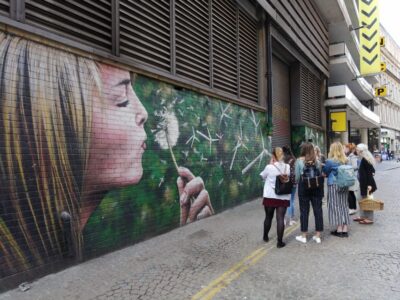
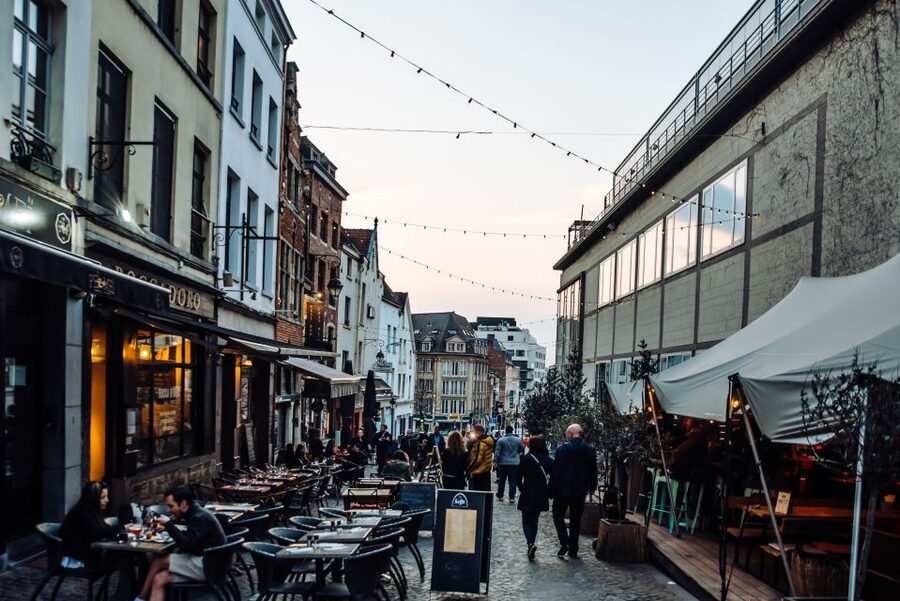
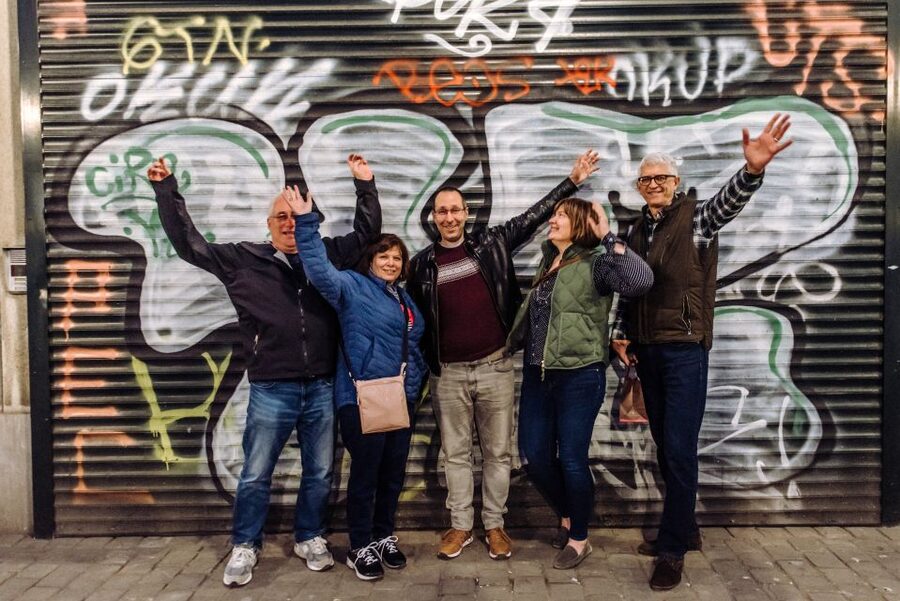
Brussels street art is more than decoration. This private walk strings together murals, comic-book stops, and a few famous Brussels oddities into one easy 3-hour loop. You’ll start with local context, then move through streets that feel like an open-air graphic novel, with storytelling built into every corner.
I like that the tour is built around real places you’d miss on your own. Two big wins: you get time in specialist stores like Little Nemo and Hors-série, and you also see the city’s landmarks through a comics-and-art lens, not a generic sightseeing script.
One thing to plan for: it’s a walking tour that runs rain or shine. If you hate wet cobblestones or long outdoor stretches, pack accordingly and keep your pace gentle.
In This Review
- Key highlights you’ll actually feel
- Starting at Zuidstation: the comic-book way into Brussels
- Little Nemo: the comic store that looks like a treasure storm
- Hors-série in a 19th-century building: rarities, first editions, and calm browsing
- Tintin Comic Mural: one character, a whole wall
- Manneken Pis and Don Quixote: Brussels landmarks with literary punch
- Brüsel and Manga: browsing fandoms between murals
- Boulevard Simon Bolivar: when walls become the main event
- What makes this tour feel “local” (and not like a checklist)
- Price and value: is $121 per person a good deal?
- Who should book this Brussels comics and street art tour
- Should you book it or skip it?
- FAQ
- How long is the Brussels Comics & Street Art private walking tour?
- Where do I meet the guide?
- What languages are available?
- Does the tour run in bad weather?
- What stops and landmarks are included?
- Is food or transportation included?
Key highlights you’ll actually feel
- Open-air street art storytelling that turns murals into local clues, not random graffiti
- Comic stores with strong personalities, from first-edition rarities to toy-and-comic chaos
- Tintin Comic Mural and other pop-culture landmarks in central Brussels
- Manneken Pis plus literary nods like Don Quixote in Spanish Square
- Big-wall mural stops along Boulevard Simon Bolivar, where entire facades become canvases
Starting at Zuidstation: the comic-book way into Brussels
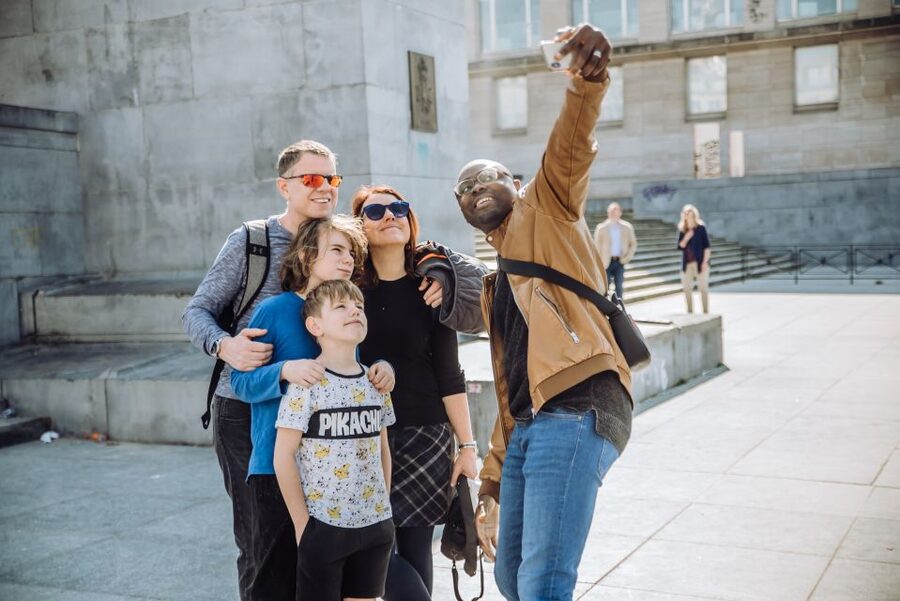
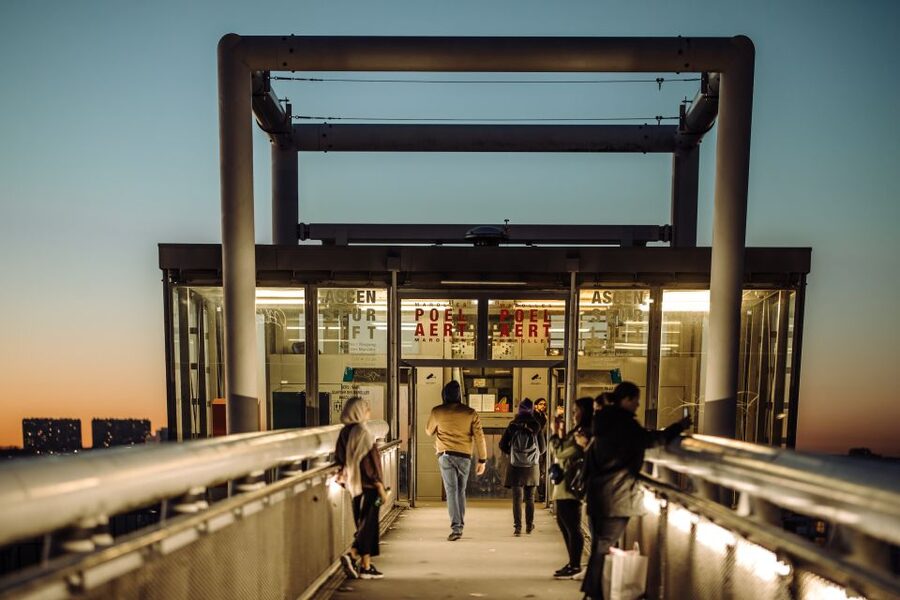
Zuidstation is a smart meeting point. It’s a clear place to find your guide, and it sets the tone for a tour that feels like you’re stepping into a themed Brussels map. You’ll head out from there with a guide who keeps things friendly and focused, moving you through neighborhoods rather than hopping between distant, disconnected sights.
The style here matters. This isn’t a museum lecture. It’s a walk where you’re shown what to look for while you’re moving—especially how street art and comics talk to the city’s identity. That’s why you start outdoors with an “open-air gallery” feel. You get immediate payoff before you even reach the first major store stop.
Logistics are simple. You’ll have live interpretation in English or French, depending on your booking. The tour is also listed as wheelchair accessible, and it’s designed as a private group, so you’re not stuck blending into a large crowd.
You can also read our reviews of more tours and experiences in Brussels.
Little Nemo: the comic store that looks like a treasure storm
One of the first indoor stops is Little Nemo. The vibe is specific: it’s stacked to the rafters with comics and old toys. If you like browsing chaotic shelves (the fun kind), this is your place. If you prefer perfectly organized displays, you might find it overwhelming at first—like stepping into a collector’s personal attic.
What makes this stop valuable is the contrast. Street art is external and public. A store like Little Nemo is the opposite: private fandom, curated by a store keeper’s taste rather than public commissions. You get a different way of seeing comics—not just as characters, but as objects people keep, display, trade, and revisit.
I’d plan to spend a little time just wandering slowly, not hunting for one thing. When a shop is this packed, your best finds are often the off-angle ones: an unexpected series, a forgotten toy line, or the kind of old comic issue you didn’t know you were looking for.
Hors-série in a 19th-century building: rarities, first editions, and calm browsing
After the toy-and-comic chaos, you shift gears to Hors-série. This store is described as classy and housed in a 19th-century building, with a focus on precious first editions and other rarities. Think less rummage, more inspection.
This stop gives you a second angle on the comics world. Street art often feels like it belongs to everyone. First editions belong to collectors. By including both types of stores, the tour avoids the common problem of only showing one side of the genre.
If you’re the type who loves paper, covers, and publication details, you’ll likely enjoy how the guide frames what you’re seeing. Even if you’re not a hardcore collector, you’ll come away with a better sense of why comics can be treated like art—sometimes literally as art objects.
Tintin Comic Mural: one character, a whole wall
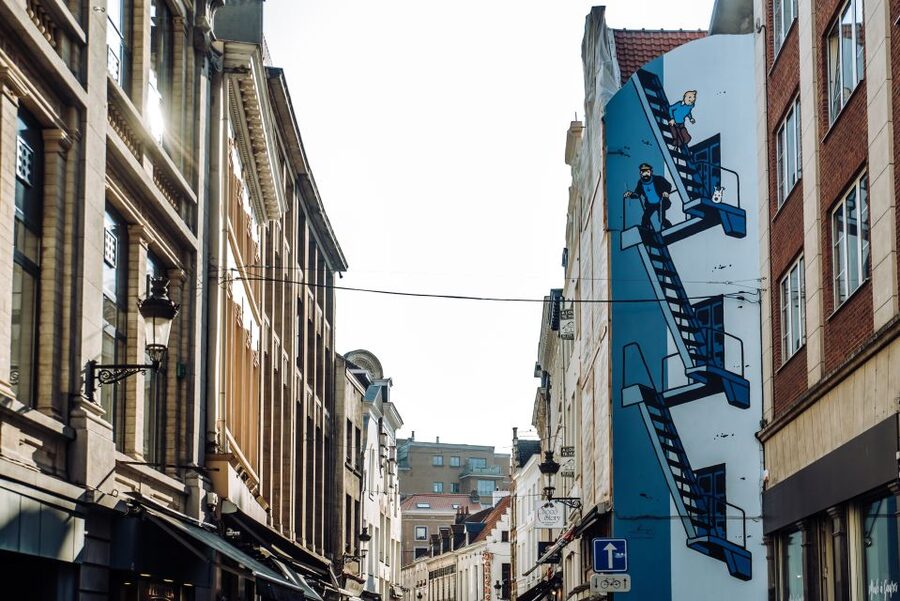
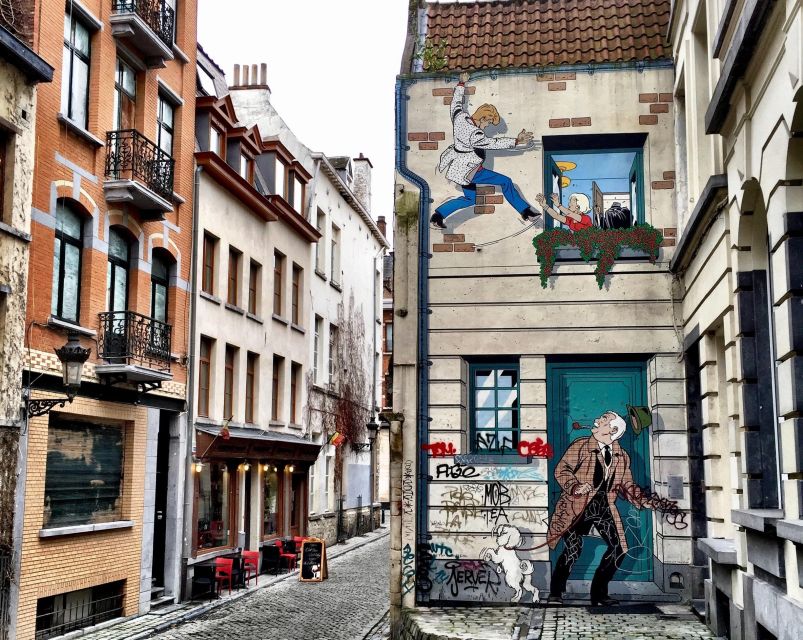
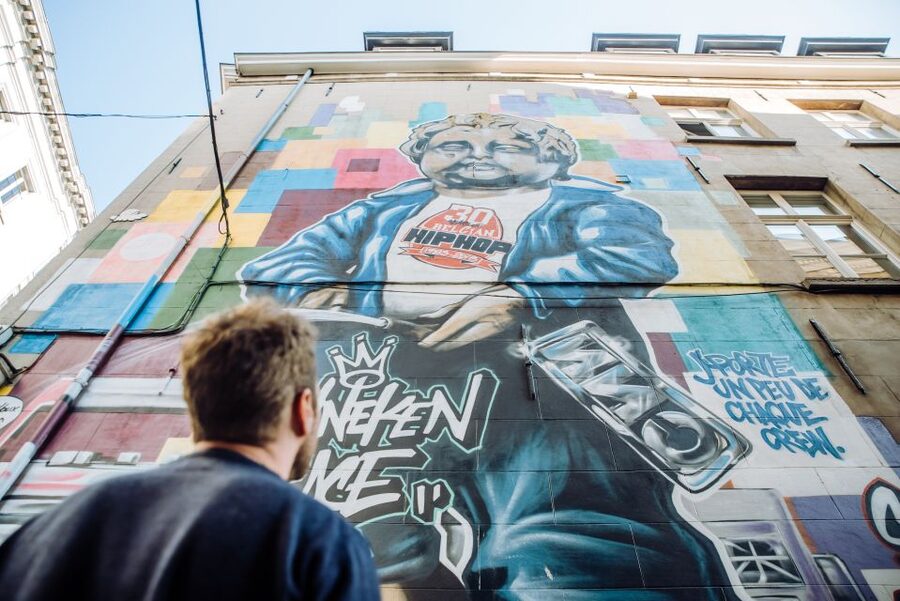
Then comes the Tintin Comic Mural, a larger-than-life mural of the iconic character decorating the side of an unassuming gift shop. That detail is part of the point. In Brussels, the most meaningful art can sit on an ordinary street corner, not behind a ticket booth.
What I like about this stop is how it anchors the theme. You’re not just seeing street art as decoration. You’re seeing street art as a cultural marker—especially when it uses a globally known comic figure. It’s easy to spot, easy to understand, and it gives you a quick “oh right, Brussels does this” moment.
Also, this is a nice pause in the flow. After browsing stores, you get a clear visual landmark. You can look at the mural from different angles and take in how it fits the surrounding buildings—how the art doesn’t just sit on a wall, it works with the street.
Manneken Pis and Don Quixote: Brussels landmarks with literary punch
From the comic mural, the tour moves to Manneken Pis. You’ll see the bronze fountain sculpture of a urinating boy designed by Jérôme Duquesnoy the Elder in the early 1600s. It’s one of those places you might know by reputation, but on this tour it lands differently: as part of a city that loves characters.
Right after that, you’ll see the statue of Don Quixote in Spanish Square. That pairing is quietly smart. Manneken Pis is Brussels humor and tradition. Don Quixote is literature turned into stone. Both are “icons,” but they point to different types of storytelling.
If you want a tour that mixes pop culture with local character, this section does the job. It keeps you in the central part of Brussels, and it also prevents the experience from becoming only comics and only street walls. You get a wider cultural snapshot without losing the theme.
Brüsel and Manga: browsing fandoms between murals
Next you swing back into store mode with Brüsel, one of the city’s oldest comic book stores. You can browse an extensive collection of Harry Potter figurines there. That’s a quick crowd-pleaser stop, even if you’re not a hardcore collector—figurines are easy to scan and compare, and they work well as a “memory checkpoint” during a longer walk.
Then the tour includes Manga. The store focus is exactly what the name suggests, so expect manga-oriented shelves. This is a useful counterbalance to Tintin and European comics. It broadens what you’re thinking about when you hear the word comics. Different countries, different formats, different visual rhythms.
What makes these two shop stops work on a 3-hour itinerary is pacing. You’re not stuck in one store for ages. You get quick orientation, quick browsing, then back out into the streets to keep the momentum.
Boulevard Simon Bolivar: when walls become the main event
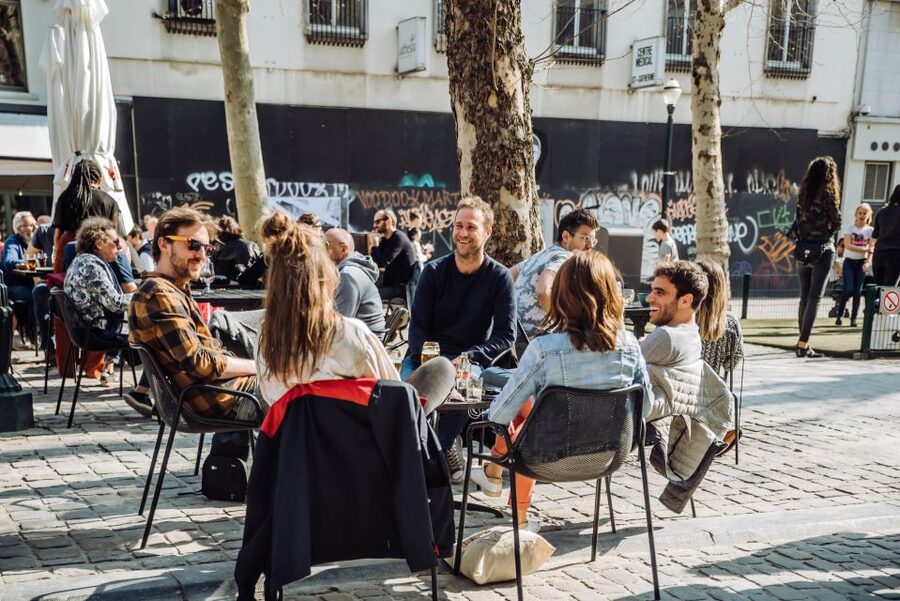
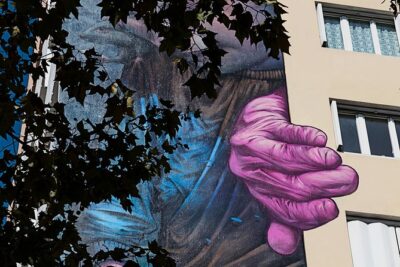
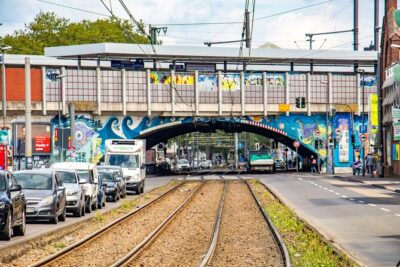
The tour’s outdoor climax is on Boulevard Simon Bolivar. This is described as a city center main artery, and the special part is that entire walls have been used as canvases. This is where street art stops being “interesting” and starts feeling like an urban language.
I like that the tour doesn’t just point at one mural and move on. By bringing you to a stretch where buildings themselves are the support structure, you get a better sense of scale. You start noticing how artists use large surfaces, how layouts repeat, and how the art changes your perception of a street you might normally treat as just a route.
Also, this stretch tends to work well for photos and slow looking. You can take a moment to stand back, track how the artwork flows across a facade, then walk forward and watch it shift.
What makes this tour feel “local” (and not like a checklist)
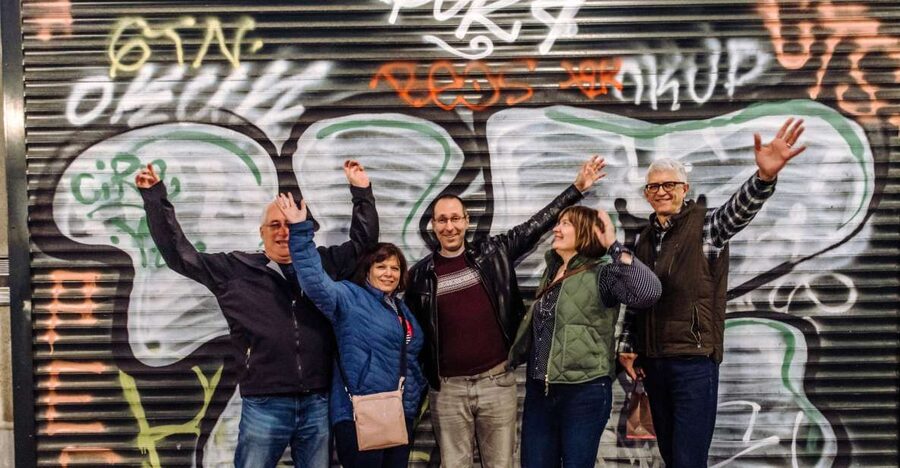
A big difference between good and mediocre tours is whether you learn how to look. This one keeps directing you toward stories behind the walls and the shops. The guide also provides tips and recommendations for the rest of your stay, which is practical because it helps you keep the theme going after the tour ends.
A private format helps here too. You can adjust to your pace, your interests, and your questions without feeling rushed. And because it’s offered in English and French, you’re less likely to lose context if you’re more comfortable in one language than the other.
The best part is that the theme fits Brussels. Street art and comics aren’t tacked-on. They’re part of how the city expresses humor, identity, and creativity.
Price and value: is $121 per person a good deal?
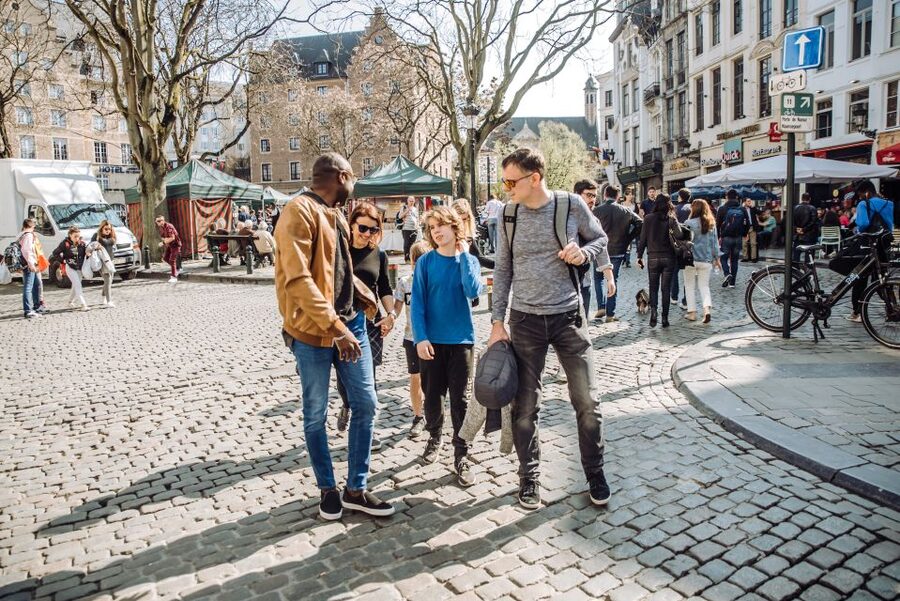
At $121 per person for a 3-hour private walking tour, you’re paying for more than walking. You’re paying for a guided route with purposeful stops: multiple specialist comic stores, major landmarks like Manneken Pis, plus big street-art walls like those along Boulevard Simon Bolivar.
Here’s how I’d judge value for you:
- If you want a structured way to see street art without guessing what matters, the guide saves time and adds context.
- If you love comics as objects (shops, first editions, figurines, old issues), these store stops make the price easier to justify.
- If you’re only interested in one mural and one landmark, you might find it pricier than a standard walking tour.
This tour is also rain-or-shine. So if you’re traveling on a day when you still want an outdoor-friendly plan, it’s built for that reality. Just know you’ll be walking.
Who should book this Brussels comics and street art tour
This is a great fit if you:
- Want a comic-focused Brussels day that includes both famous icons and smaller-store culture
- Like street art with context, not just quick photos
- Enjoy browsing comics and related collectibles in specialized stores
- Prefer a private guide and a flexible tone (the tour can be personalized to your requests)
It’s also a decent match if you’re traveling with someone who’s into different things. One of you can love murals, the other can love the shops, and the route keeps both interests fed.
Should you book it or skip it?
Book this tour if you want Brussels in a specific lens: comics, street art, and character-driven landmarks like Manneken Pis and Don Quixote. The mix of open-air walls plus comic shops gives you variety, and the route keeps moving through central areas and iconic stops.
Skip it only if you’re not into walking (this is a walking format), or if you’d rather spend the whole day in one museum. If your ideal Brussels day is “one place, one exhibit,” this won’t be your best match.
FAQ
How long is the Brussels Comics & Street Art private walking tour?
It runs for 3 hours.
Where do I meet the guide?
You meet at Zuidstation. If you’re staying in the centre of Brussels, the guide will meet you at your hotel (you’ll specify the hotel name and address).
What languages are available?
The live tour guide offers English and French.
Does the tour run in bad weather?
Yes. It takes place rain or shine.
What stops and landmarks are included?
You’ll visit open-air street art areas and comic shops, including Little Nemo, Hors-série, Brüsel, and Manga. You’ll also see the Tintin Comic Mural, Manneken Pis, and the Don Quixote statue in Spanish Square, plus murals along Boulevard Simon Bolivar.
Is food or transportation included?
No. Food and drinks are not included, and transportation is not included.