
REVIEW · CAPE TOWN
Cape Town: Inspiring sustainable change through Street Art
Book on GetYourGuide →Run by CURIOCITY Travel Experiences · Bookable on GetYourGuide
Walls talk in Cape Town. This 150-minute walking tour lets you read street art in Woodstock and Salt River with a local guide who explains the artist messages and the techniques behind murals and wall pieces. I really like how it turns color and style into meaning, and I also like that you meet real locals along the way and get the story behind Cape Town’s creative subcultures; the main drawback is simple: it’s a walking tour in an outdoor neighborhood, so you’ll want proper shoes and sun-ready gear.
You’ll start with a transfer and meet at the reception point, then head out with an English-speaking guide. The route focuses on street art, murals, and gallery context in one concentrated area, so you’re not spending half your time commuting around the city.
At $48 per person, it’s not a throwaway “see a few walls” stop. You’re paying for guided interpretation in a short window, plus the extra convenience of pickup/transfer—so it’s best when you want to understand what you’re looking at, not just take photos.
In This Review
- Key things to know before you go
- Woodstock and Salt River: why street art works here
- How the tour flows in 150 minutes (and where you’ll spend your time)
- What your guide actually helps you notice (beyond the colors)
- Photo etiquette and what to do with your camera
- Price and value: what $48 gets you (and why it’s more than a cheap walk)
- Sustainability and social change: how street art becomes more than decoration
- Who this tour fits best (and who might want a different plan)
- Should you book this Cape Town Street Art tour?
- FAQ
- How long is the Cape Town street art walking tour?
- Where does the tour take place?
- What’s included in the price?
- Is food or drinks included?
- Is the tour guide English-speaking?
- Is pickup included?
- Is the tour wheelchair accessible?
- What should I bring?
- What is the cancellation policy?
- Can I reserve and pay later?
Key things to know before you go
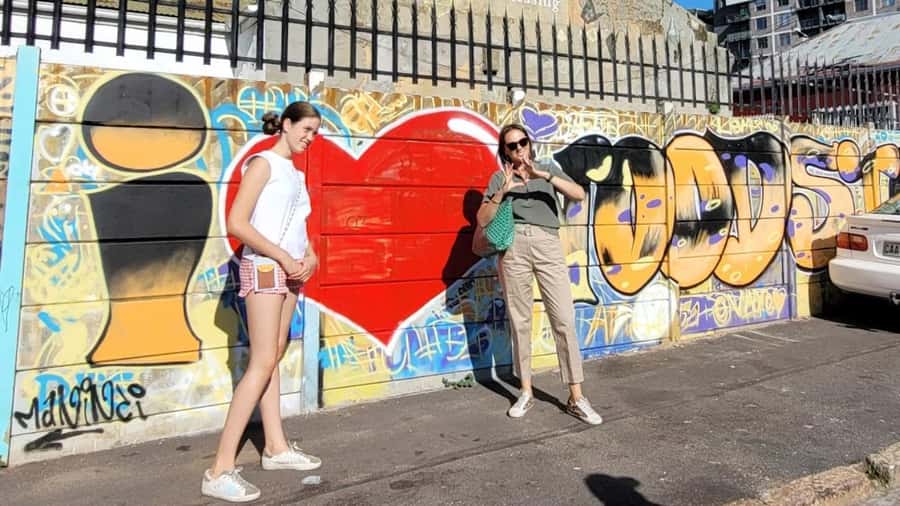
- Woodstock + Salt River focus: this route is built around one creative corridor, not a city-wide hop.
- Guided interpretation: you learn the messages and techniques for each artwork, not just where to stand for a picture.
- Street art meets community: the tour explains how wall art can influence and transform local communities.
- Photo etiquette matters: you’re encouraged to ask permission before photographing people.
- What to bring: comfortable shoes, a camera, biodegradable sunscreen, and comfortable clothes.
- Quick 150-minute format: you get a lot of art context without a full-day commitment.
Woodstock and Salt River: why street art works here
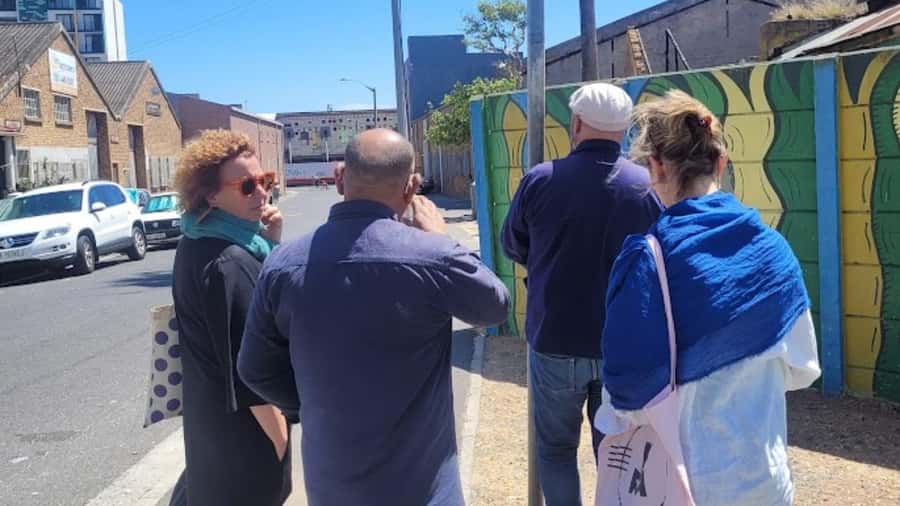
Cape Town’s street art isn’t just decoration. In Woodstock and Salt River, the walls feel like a public bulletin board for ideas—identity, critique, humor, memory, and protest—all squeezed into paint, paste-ups, stencils, and layered surfaces.
What I like about this area for a walking tour is the density of what you’ll see. You don’t have to chase art across the whole city. Instead, you get a tight walk where each stop builds on the last, so you start connecting the patterns: recurring symbols, repeated themes, and how artists adapt their tools to the neighborhood around them.
There’s also a social angle. The tour approach is about more than aesthetics. It’s about how creative subcultures live on the street, how locals interact with what’s on the walls, and how the art can shape conversations in the community. That’s the difference between a mural tour and a meaningful street art walk.
You can also read our reviews of more tours and experiences in Cape Town.



How the tour flows in 150 minutes (and where you’ll spend your time)
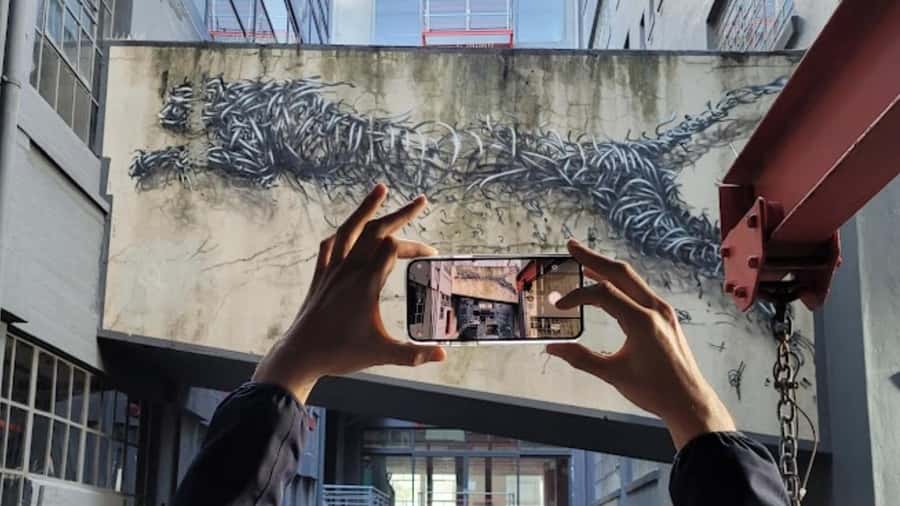
This is a guided walking experience designed to fit into about 150 minutes. The rhythm is straightforward: start with pickup/transfer, meet your guide, then walk through Woodstock/Salt River with stops timed for discussion and photos.
You can think of the experience in three phases:
1) Kickoff and context
Before you’re just staring at walls, your guide sets the tone—what to look for and why street art matters here. This helps you avoid the common problem of seeing a mural and only noticing the colors.
2) Murals and wall pieces in the neighborhood
As you walk, the guide points out each artwork’s message and techniques. Sometimes the “technique” is the visible part (layering, color choices, style). Other times it’s more about how artists use the wall as part of the communication. Either way, the explanations turn the street into a gallery you can read.
3) Gallery context woven into the walk
The tour also includes galleries as part of the overall street art experience. Even if you’re mostly outside, you’re not only chasing street-level visuals—you’re getting a broader frame for how street artists operate and how their work travels between public walls and curated spaces.
The one thing to plan for: you’re on foot in a local neighborhood. That’s great for atmosphere, but it does mean you’ll feel weather and uneven sidewalks. Comfortable clothes and shoes are non-negotiable.
What your guide actually helps you notice (beyond the colors)
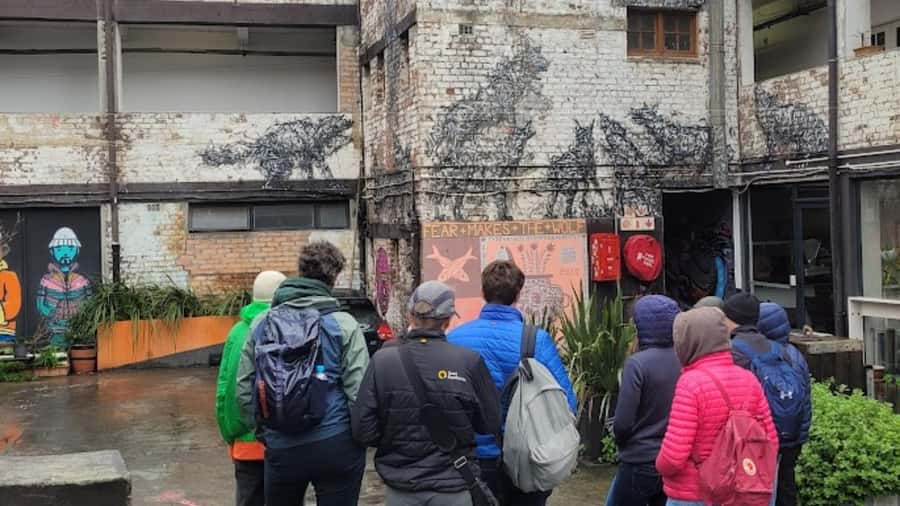
The best street art tours teach you how to see. This one does that by focusing on the artist behind each piece and the message they’re putting forward.
Here are the practical things you’ll likely pick up as you go:
- How artists build meaning: it’s not just imagery; it’s why that imagery shows up here, and what it’s trying to say.
- How techniques communicate: styles like stenciling, layered paint, or poster-like treatments can carry different moods and urgency.
- How context shapes interpretation: the neighborhood changes what a mural means and how people react to it.
This is where the guide’s tone matters. One past participant noted their guide, Dauriq, was both knowledgeable and caring while walking them through the unique works of Woodstock. That kind of “care” shows in the pace—enough time to look, ask questions, and take photos without feeling rushed or treated like a camera on legs.
And the human side matters too. Another participant shared that the pickup was handled by Gail, and that the group was comfortable and supported from the start. Small touches like that set you up to focus on the art once you’re in the neighborhood.
Photo etiquette and what to do with your camera
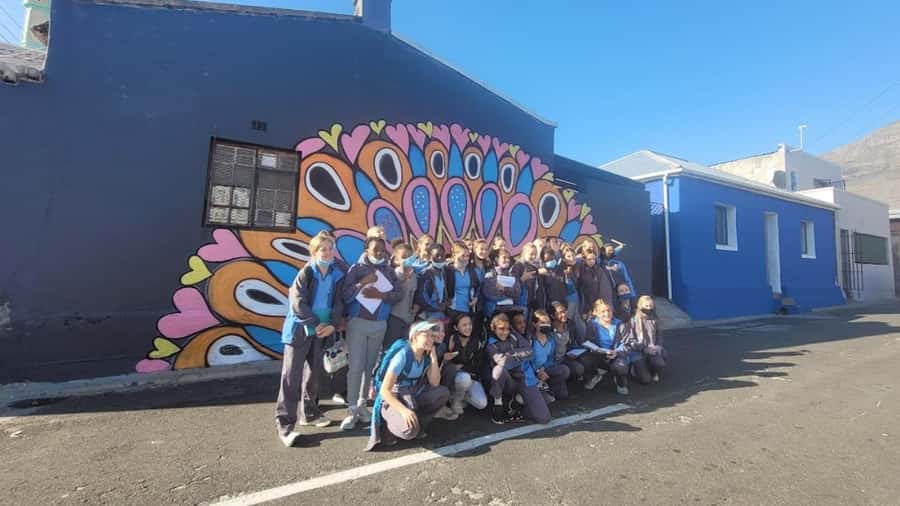
Street art is made to be photographed, but people live on the streets where it’s painted. The tour specifically flags an important habit: always ask if someone is okay with you taking their photo before you snap away.
I’d treat that as your rule of thumb throughout the walk:
- Pause first, then frame your shot.
- If a person is the focus, ask politely.
- If you’re photographing only the wall, you’ll still want to be aware of anyone nearby.
Also, bring your camera because the tour’s built around visuals. But don’t let photos replace attention. The best shots often come after you understand the message—so you know what you’re trying to capture.
Price and value: what $48 gets you (and why it’s more than a cheap walk)
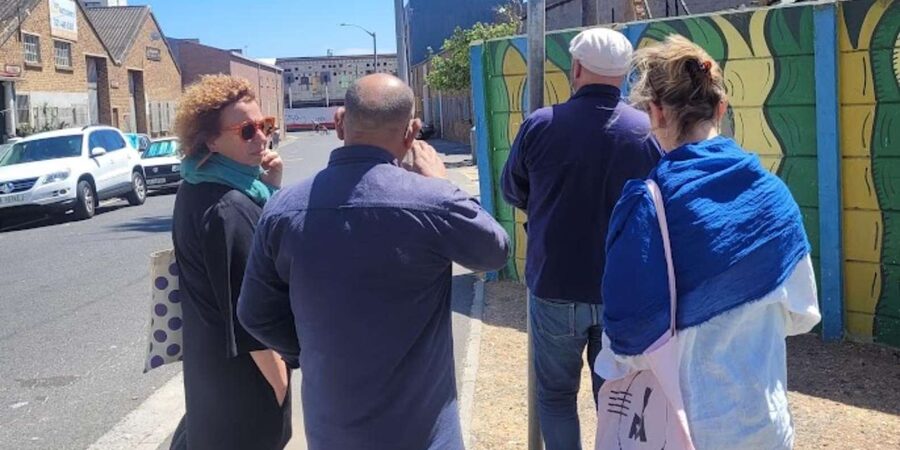
$48 per person for about 150 minutes works out to a bit under an hour and a half of guided time, plus transfer/pickup. On paper, that might not sound like much.
In practice, the value comes from two things the tour emphasizes:
1) Interpretation
You’re paying for a guide who helps you understand what you’re seeing—messages, artists, and techniques. Without that, street art can turn into a blur of color. With guidance, it becomes a story you can follow.
2) Convenience
Pickup/transfer means you’re not trying to solve logistics while you’re also trying to enjoy the art. You meet at reception, then get taken into the creative zone.
The tradeoff is what you’re not getting: no included food or drinks. If you’re easily hungry or thirsty on walks, plan ahead. This isn’t a full-day tour, so snacks and water don’t replace the experience, they just keep you comfortable while you focus.

Sustainability and social change: how street art becomes more than decoration
The tour is framed around inspiring sustainable change. Even if you don’t leave with a neat policy summary, you do leave with a better understanding of how public art shapes conversations.
Street art in Woodstock and Salt River is presented as a force that can influence and transform local communities. That’s a big claim, but it’s grounded in what you’ll see: artists communicating directly in the public space people actually use. When art is part of everyday life, it can reinforce identity, highlight problems, and give communities a voice where official channels might feel distant.
I like that the tour doesn’t treat street art as a tourist spectacle. It treats it as communication—creative work with messages, technique, and local context. That makes it easier to respect what you’re viewing rather than just consuming it for a photo.
Who this tour fits best (and who might want a different plan)
This tour is a strong match if you:
- Want to understand what street art means, not just look at it.
- Like walking tours where local knowledge is the main attraction.
- Are curious about Cape Town’s creative subcultures and how they show up on walls.
- Have about 2.5 hours and want a focused neighborhood experience.
It may feel less ideal if you:
- Prefer mostly indoor attractions, or you don’t like outdoor walking.
- Want a long, multi-neighborhood “see everything” itinerary.
- Are only interested in buying souvenirs or stopping for food mid-tour (those aren’t included).
In other words: this is best when your goal is cultural insight through art, delivered at walking pace.
Should you book this Cape Town Street Art tour?
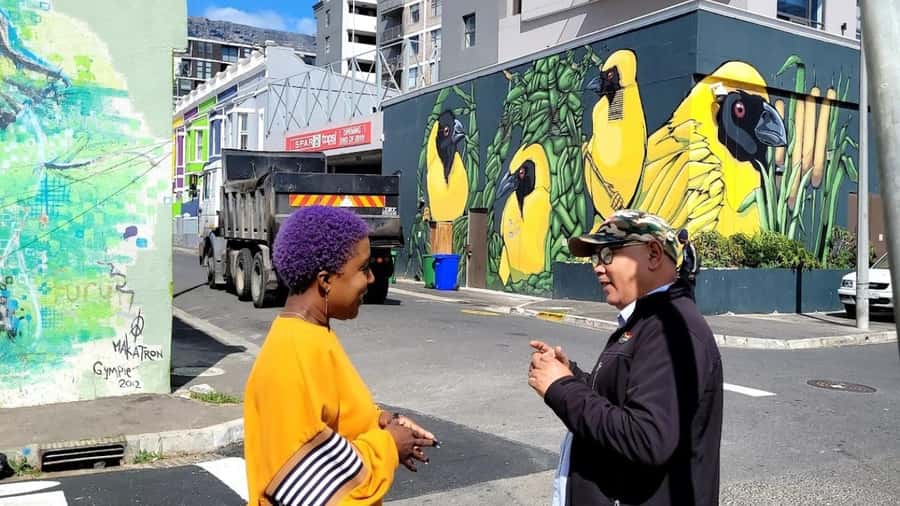
If you like street art but want it to make sense, I’d book it. The combination of guided explanations, a focused route through Woodstock/Salt River, and a tight 150-minute format is exactly what makes this type of tour worthwhile. For $48, you’re not just paying to look—you’re paying to understand.
Book it if you can do a comfortable walking window and you’ll bring your camera. Skip it if you’re expecting a museum-style experience with lots of seating or a food stop built in. If you’re ready to walk, look closely, and ask questions, this is one of those Cape Town experiences that leaves you seeing the city differently afterward.
FAQ
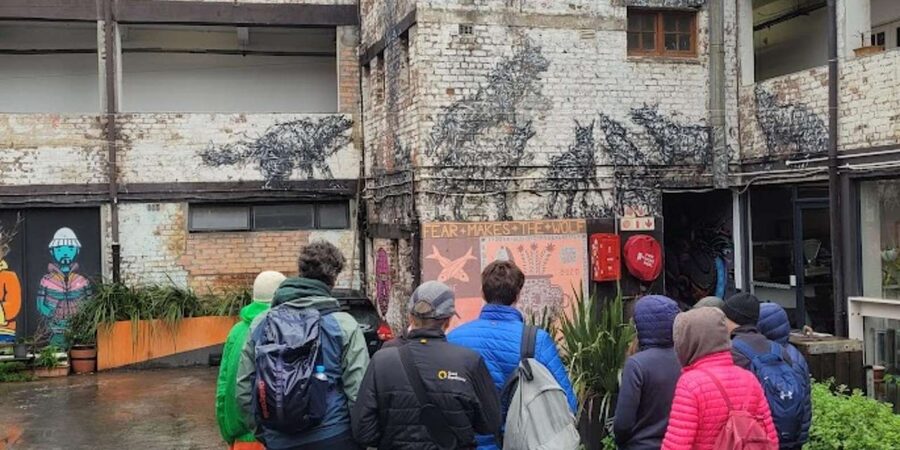
How long is the Cape Town street art walking tour?
It lasts 150 minutes.
Where does the tour take place?
The tour focuses on Woodstock and Salt River in Cape Town (Western Cape, South Africa).
What’s included in the price?
It includes a transfer and a guided walking tour.
Is food or drinks included?
No. Drinks, food, souvenirs, and anything of a personal nature are not included.
Is the tour guide English-speaking?
Yes, the live tour guide speaks English.
Is pickup included?
Yes. Pickup is included and you meet at the reception.
Is the tour wheelchair accessible?
Yes, it is wheelchair accessible.
What should I bring?
Bring comfortable shoes, a camera, biodegradable sunscreen, and comfortable clothes.
What is the cancellation policy?
Free cancellation is available up to 24 hours in advance for a full refund.
Can I reserve and pay later?
Yes. You can reserve now and pay later, with the option to book your spot and pay nothing today.