REVIEW · BUENOS AIRES
Palermo: Graffiti and Street Art Guided Tour in English
Book on GetYourGuide →Run by Buenos Aires Free Walks · Bookable on GetYourGuide
Palermo’s walls talk back. This 2-hour English walking tour turns street art into a living map of Argentina’s politics, starting in Palermo and ending near Plaza Inmigrantes de Armenia. I especially loved how the stories connect the art to real events, from 1920s election posters to protest graffiti.
Two standouts made this feel worth it. First, you’ll get picture-perfect moments like the Trump Wall at Madison Avenue Bar, plus other art you’d probably miss on your own. Second, the guides (I’ve seen names like Elina, Aylen, Vito, Juan, and Victor) bring humor while explaining why messages spread so fast once aerosol paint arrived in 1969. One possible drawback: it’s a walking tour, so if you want lots of sit-down museum time, this won’t match that pace.
In This Review
- Key highlights at a glance
- Street art in Palermo: why this walk feels political, not just artsy
- Where the tour starts: Plaza Serrano and finding your guide fast
- The 2-hour route: from Plazoleta Julio Cortazar to Plaza Inmigrantes de Armenia
- Trump Wall at Madison Avenue Bar: the photo stop that anchors the whole story
- 1920s propaganda to election campaigns: how graffiti became a megaphone
- 1969 aerosol paint: the tech shift that sped up protest messages
- 1970s social conflict: why people got louder on the walls
- What you’ll notice on the walls: styles, sports murals, and details
- Guides and group size: you’ll probably be in good hands
- Photo and timing tips: get the most from the walk
- Price and value: why $13 for 2 hours can actually be a bargain
- Who should book this tour (and who might skip it)
- Should you book Palermo’s graffiti and street art guided tour
- FAQ
- Where does the tour start?
- How do I find the guide?
- Where does the tour finish?
- How long is the tour?
- What language is the tour in?
- How much does it cost?
- Is the tour wheelchair accessible?
- What happens if it rains?
- What’s included in the price?
- Is hotel pickup included?
- Can I cancel and get a refund?
- Can I reserve now and pay later?
Key highlights at a glance
- Trump Wall photo stop at Madison Avenue Bar, built for snapping good pics
- Argentina street art origins, including political propaganda and election campaigns
- 1920s to 1970s timeline: how aerosol paint changed protest messaging
- Palermo neighborhood walk focused on corners, façades, and details you’d skip
- English live guide, with guides known for energy and clear explanations
- Rain or shine: the tour keeps going even if the weather turns
Street art in Palermo: why this walk feels political, not just artsy
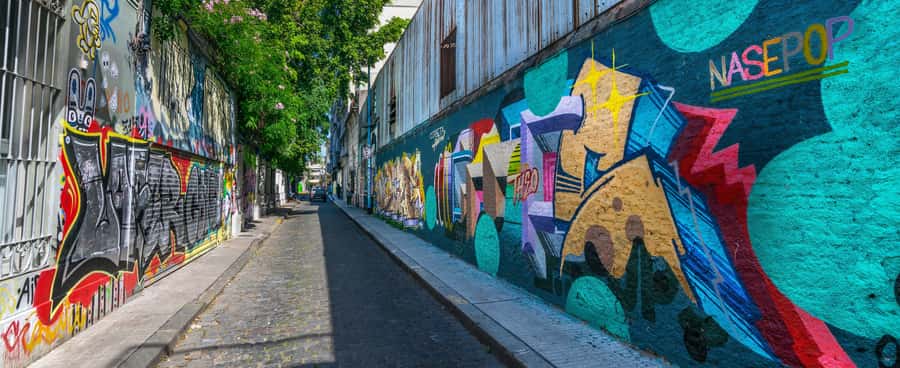
Palermo has a talent for looking like it’s always mid-conversation. The thing is, most street art visitors treat it like decoration. This tour treats it like speech.
You’re led through an eclectic stretch of Palermo where the art ties back to Argentina’s shifting political mood. In plain terms, you learn how graffiti moved from visible endorsement to propaganda tool, and later into a fast-moving language for public protest.
You can also read our reviews of more tours and experiences in Buenos Aires.
Where the tour starts: Plaza Serrano and finding your guide fast
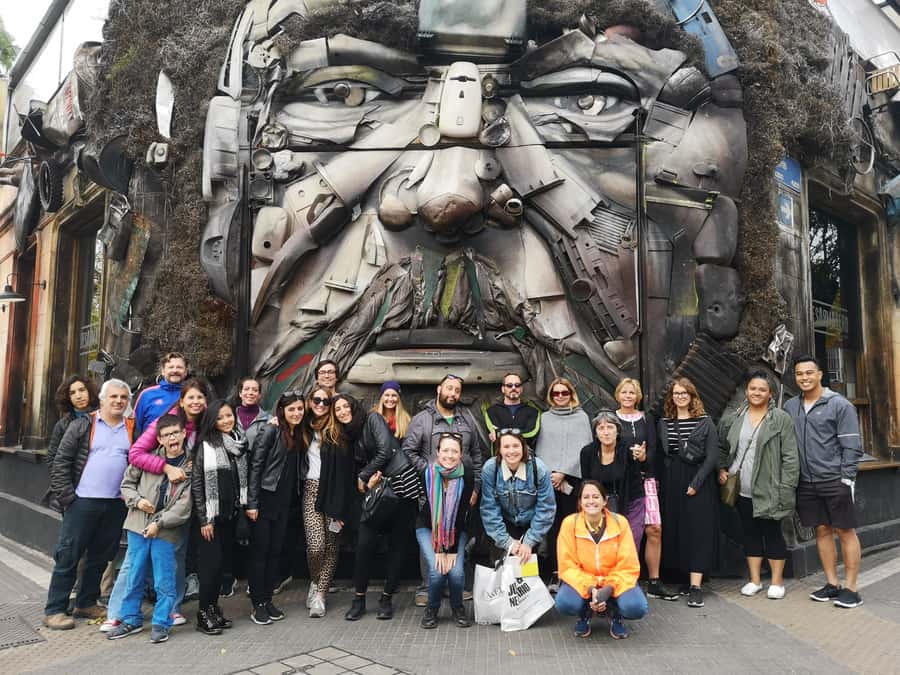
Meeting is at Plaza Serrano, also known as Plaza Cortazar, on the corner of Jorge Luis Borges and Honduras St. Look for the guide in an orange t-shirt with a big PALERMO sign.
I like start points like this because they help you get your bearings fast. Even if you arrive a little early, you’ll already be in the right neighborhood mood. And if you’re trying to travel efficiently, it’s easy to plug this into an afternoon in Palermo.
The 2-hour route: from Plazoleta Julio Cortazar to Plaza Inmigrantes de Armenia
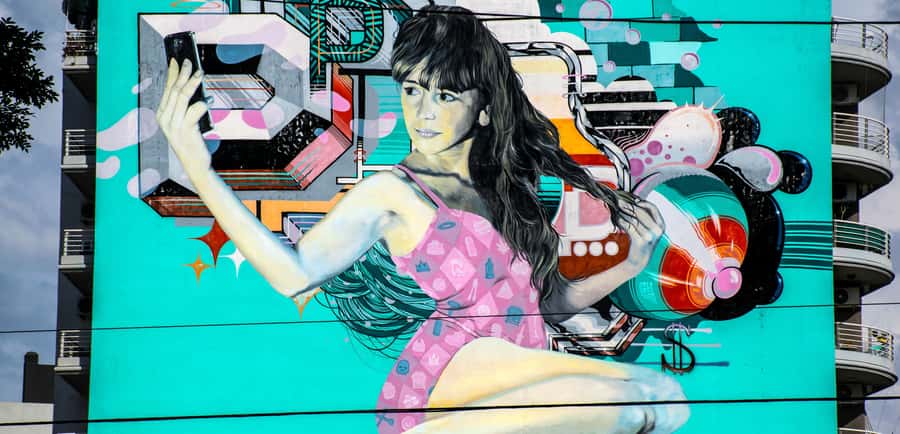
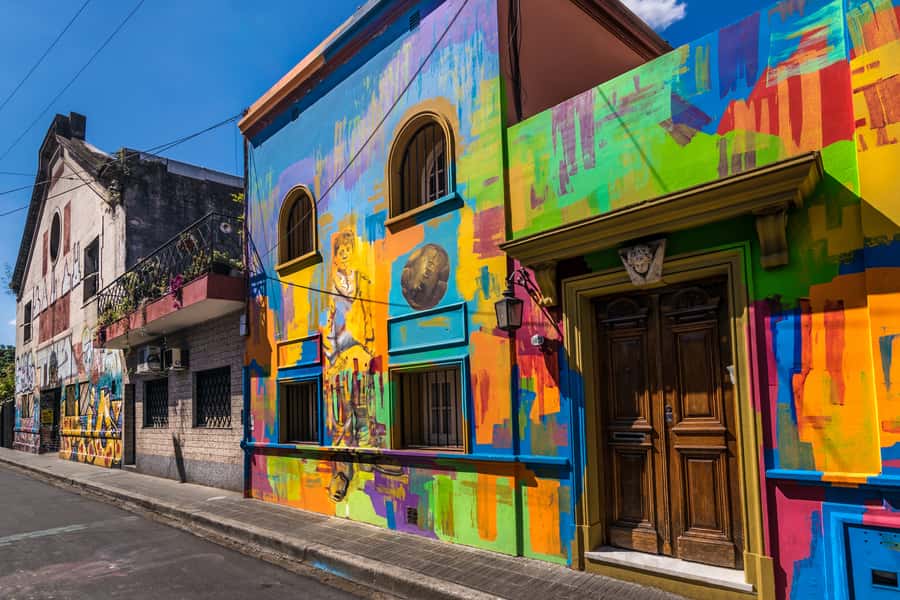
The tour runs for about two hours, built as a focused walk rather than an all-day wander. You’ll start near Plazoleta Julio Cortazar and finish at Plaza Inmigrantes de Armenia, so you’ll leave with a clear sense of where you are in Palermo.
This pacing matters for two reasons. One, you don’t end up “tour-fatigued” by the time you hit the best walls. Two, it gives you enough momentum to keep exploring afterward with new eyes.
Trump Wall at Madison Avenue Bar: the photo stop that anchors the whole story
One of the easiest reasons to book is the guaranteed photo moment. You stop to take pictures of the Trump Wall’s graffiti at Madison Avenue Bar.
What makes this more than a novelty wall is how your guide frames it. They use that kind of recognizable reference point to explain how public writing can signal identity, opinion, and alignment. Once you understand the why, you start seeing similar logic in less-famous pieces around the neighborhood.
If you like street art photography, this stop is also handy for timing. You get a clear landmark where you can reset your phone camera settings and grab a few wider shots before you move deeper into the details.
1920s propaganda to election campaigns: how graffiti became a megaphone
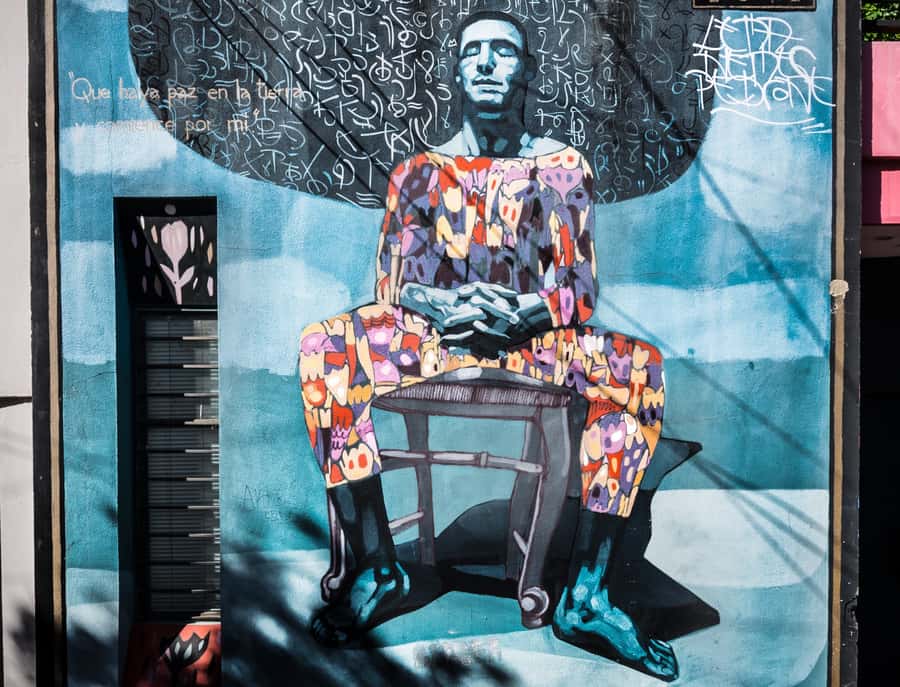
The tour’s backbone is a timeline you can actually picture. You travel back to the 1920s and learn how political movements gained traction in Argentina during that era.
Here’s the key idea you’ll walk away with: graffiti wasn’t always treated like random vandalism. It was sometimes seen as political endorsement, and used for propaganda and election campaigns. That changes how you interpret the walls you pass. You stop asking only what it looks like and start asking who it speaks for.
This part of the tour is ideal for history-minded visitors who don’t want heavy textbooks. You get the story in short bursts that fit a walking route.
1969 aerosol paint: the tech shift that sped up protest messages
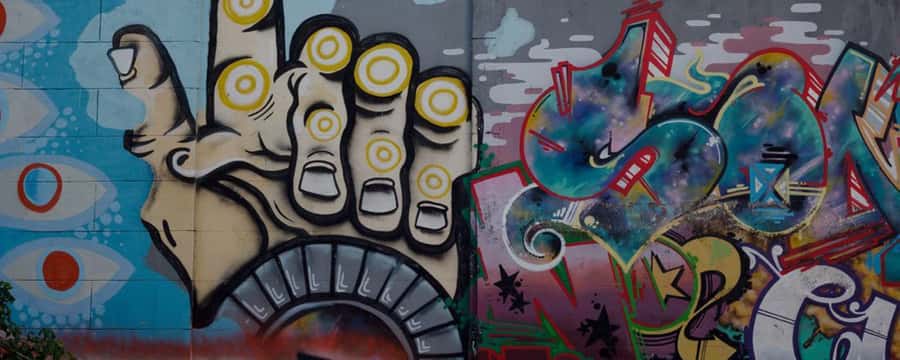
Next comes the moment that explains the “why now” of modern street writing. Aerosol paints arrived in 1969, and your guide connects that change to the influence of a different military government.
The practical takeaway is simple: aerosol paint made messages much faster to write. And when it became quicker, the streets became more responsive during the 1970s. You hear how urban movements shifted with the tools available, and how people became progressively more involved in protesting.
I like this explanation because it’s not just political drama. It also teaches you to think like a street artist. Materials and speed shape what people can say, where they can say it, and how quickly the message can spread.
1970s social conflict: why people got louder on the walls
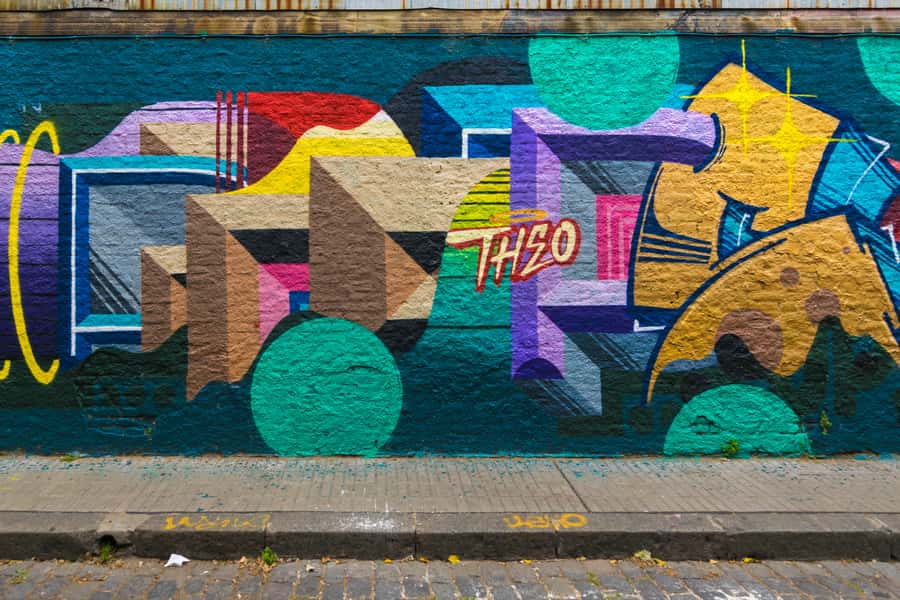
Once the aerosol timeline clicks, the tour turns toward the social conflict of the time. You’ll hear stories about how Argentinians increased their participation in protest, and how that energy showed up on city walls.
This is where the tour can feel unexpectedly human. It’s not only about governments and messaging. It’s about ordinary people using public space when other channels weren’t enough.
You also get a sense of how street art can be both a record and a pressure valve. The writing doesn’t just decorate neighborhoods. It documents tension, belief, and momentum.
What you’ll notice on the walls: styles, sports murals, and details
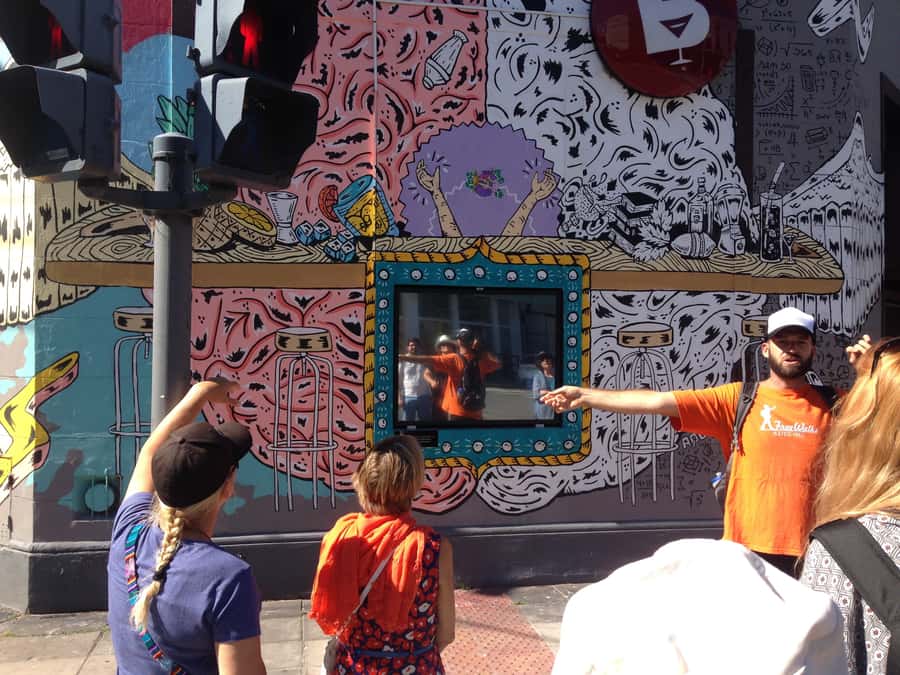
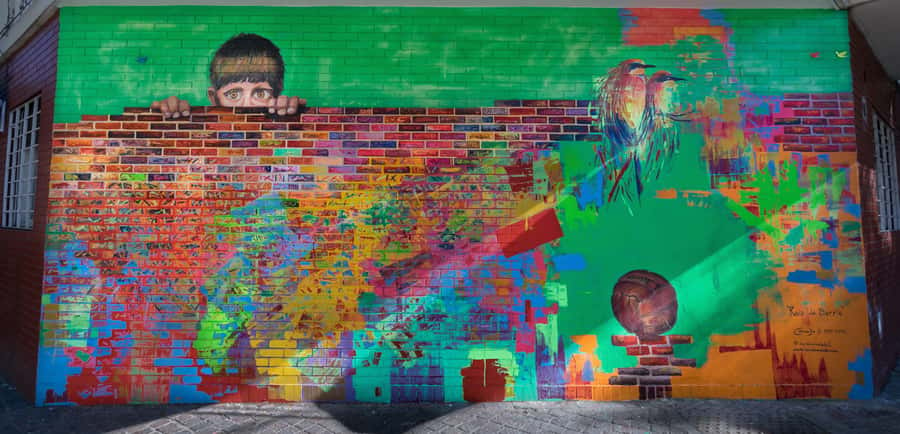
As you walk, you’ll see a range of street art styles. Some pieces lean toward sports culture, and you might spot football-themed murals. Others can be more symbolic or playful, like butterfly murals.
That mix is part of Palermo’s charm. The neighborhood isn’t locked into one vibe. Your guide helps you read variety as meaning, not as random variety.
One thing I found useful from past participants is how guides explain what locals may treat as vandalism versus street art. You get a clearer idea of how communities draw those lines, and why that debate matters when you’re looking at messages on someone’s street.
Guides and group size: you’ll probably be in good hands
This tour is run in English with a live guide, and the group size can vary. I’ve seen mentions of both larger groups that stayed easy to manage and smaller groups that felt more personal.
What matters most is how the guide keeps the group together and the pace steady. Many participants highlighted that they could always hear the guide and that the time felt like the right length for a walking tour.
Guide personalities come through too. People named guides like Aylen, Vito, Juan, Victor, and Elina, often praising the energy and humor. One review even noted a guide studying art history, which makes sense for a tour that links technique, politics, and context.
If you tend to get shy in group settings, this is a good pick. The tour tone seems geared toward interaction and answering questions at the right moments.
Photo and timing tips: get the most from the walk
Since you’re out for around two hours, treat it like a photo sprint with a story. Bring your camera and phone fully charged, and expect you’ll want multiple angles once you learn what to look for.
Also, remember the tour keeps running in rain. If weather threatens, bring a compact umbrella or a light rain layer. You won’t get the “dry, perfect wall” guarantee, but you will get the tour.
Finally, don’t rush past every wall hoping for the next big stop. The best moments are usually in the details your guide points out.
Price and value: why $13 for 2 hours can actually be a bargain
At about $13 per person for a two-hour guided walk, this tour sits in the budget-friendly zone for Buenos Aires. The value comes from more than “someone points and explains.” You’re getting a full political timeline with visual stops, plus a set of photo anchors like the Trump Wall.
You’ll also save your own energy. Instead of trying to guess what you’re looking at, you get a framework that helps you interpret other pieces after the tour. That makes the money feel less like a one-time transaction and more like buying a better way to explore Palermo.
Who should book this tour (and who might skip it)
Book this if you like street art with context. If you enjoy learning why people write on walls—especially when the reason is political—this tour fits your style.
You’ll also like it if you want an easy afternoon activity. It’s short enough to pair with other Palermo plans, and the walking format keeps it lively.
Consider skipping if you mainly want major indoor museums, or if you dislike walking in a neighborhood atmosphere. This is a street tour first, with history told on foot.
Should you book Palermo’s graffiti and street art guided tour
Yes, if you want to see Palermo in a more thoughtful way without making your day complicated. The $13 price for a two-hour English guide is strong, and the political story from the 1920s through 1969 and the 1970s gives the art a clear reason to exist.
If you’re the kind of traveler who likes learning to read a city’s visual language, this will feel like money well spent. And if you’re more photo-focused, the Trump Wall stop alone gives you a solid reason to go.
FAQ
Where does the tour start?
The tour meets at Plaza Serrano (Plaza Cortazar) in Palermo, at the corner of Jorge Luis Borges and Honduras St.
How do I find the guide?
Look for the guide in an orange t-shirt with a big PALERMO sign.
Where does the tour finish?
The tour ends at Plaza Inmigrantes de Armenia.
How long is the tour?
The tour lasts about 2 hours.
What language is the tour in?
The live guide speaks English.
How much does it cost?
It costs $13 per person.
Is the tour wheelchair accessible?
Yes, the tour is wheelchair accessible.
What happens if it rains?
The tour still takes place even if it rains.
What’s included in the price?
A 2-hour guided walking tour is included.
Is hotel pickup included?
No, hotel pickup and drop-off are not included.
Can I cancel and get a refund?
Free cancellation is available up to 24 hours in advance for a full refund.
Can I reserve now and pay later?
Yes, you can reserve your spot and pay later.