REVIEW · RIO DE JANEIRO
Rio Street Art Tour
Book on Viator →Run by Rio Street Art Tour · Bookable on Viator
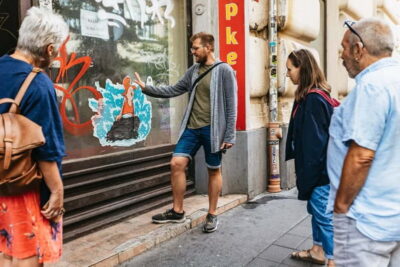
Rio’s walls tell stories worth walking for. This Rio Street Art Tour uses neighborhoods and real buildings, not just photos, to show how street art shapes the city’s identity. With a small group, your guide can slow down and explain what you’re seeing as you go.
I especially like two things: meeting art through Nina’s storytelling (she connects murals to artists and local life), and hopping between very different spots so the art feels like part of Rio, not an add-on. You’ll see how folk art and street art influence the city’s cultural voice, not just how a wall looks.
One possible drawback: there’s no hotel pickup, so you’ll need to get yourself to the exact start point in Copacabana and be ready for a solid 4-hour walk in good weather.
In This Review
- Key points to know before you go
- A Small-Group Street Art Tour That Reads Like Local Culture
- Copacabana First Stop: Murals That Explain Rio’s Mood
- São Joao Batista Cemetery: Selarón’s Tribute, Up Close and Personal
- Botafogo Finish: Art, Stories, and a Younger Neighborhood Feel
- What You Learn About Folk Art and Street Art’s Cultural Impact
- Price and Time: Is $75 Worth It?
- Who This Tour Fits Best (and Who Might Want a Different Option)
- Practical Tips to Get the Most from Your Walk
- Booking Reality Check: What You’ll Be Glad You Prepared
- Should You Book the Rio Street Art Tour?
- FAQ
- How long is the Rio Street Art Tour?
- What does the tour cost?
- Where does the tour start and end?
- How big is the group?
- Are admission tickets included?
- What if the weather is bad or I need to cancel?
Key points to know before you go

- Small group (max 15) so you get more attention and time for questions
- Nina as your guide, with strong English and a knack for turning murals into stories
- Multiple neighborhoods in one loop, including Copacabana, Botafogo, and an iconic cemetery site
- Selarón’s personal tribute at São João Batista Cemetery, with an intimate viewing option
- No paid entry tickets for the stops (admission is free where listed)
A Small-Group Street Art Tour That Reads Like Local Culture
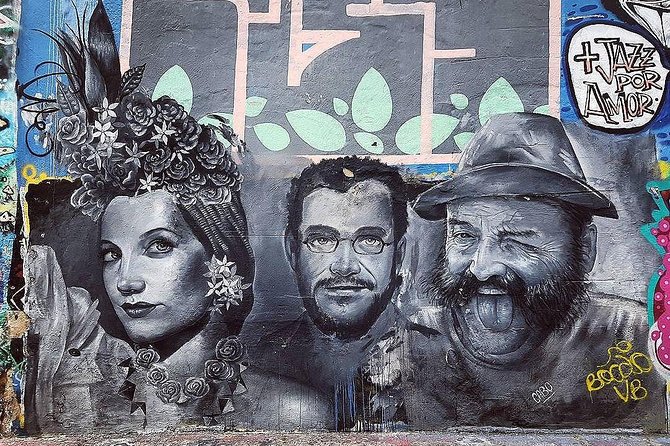
If you’ve ever walked past graffiti and wondered what you’re missing, this tour is built for you. The whole point is to treat street art like a public language—one that locals read through symbols, politics, and community pride.
What makes it work is the pacing and the group size. With a maximum of 15 people, you’re less likely to get rushed through the photos. You’ll have time to stop, look closely, and let the guide’s context do its job.
The guide’s approach also matters. Nina’s style is practical and human: she shows you the artwork and then gives you the threads to follow—who made it, why that message matters, and how it fits the neighborhood around it.
You can also read our reviews of more tours and experiences in Rio de Janeiro.

Copacabana First Stop: Murals That Explain Rio’s Mood
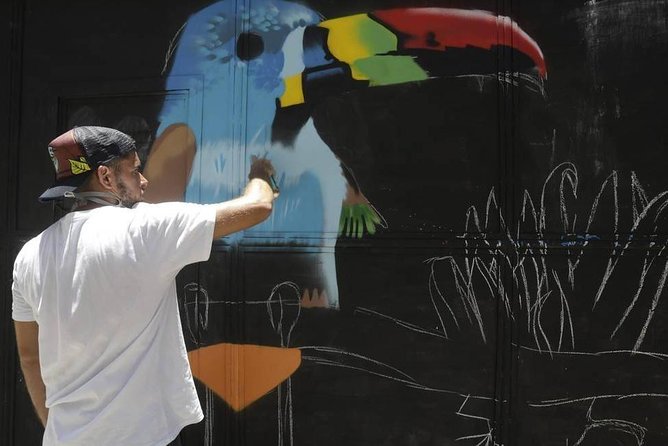
You begin in Copacabana, at Rua Siqueira Campos, 96. The tour starts with an easy warm-up: walking the area while you get oriented to the street-art scene and the city context behind it.
Copacabana is a great place to start because you’ll quickly notice how art changes tone depending on where you are. You’re not just seeing “street art.” You’re seeing how the city layers stories onto everyday architecture—balconies, street corners, and building faces that people use every day.
What I like about this opening: it gives you a baseline. Once Nina explains what to look for, the rest of the tour makes more sense. Even if some of the work is new to you, you start recognizing patterns: recurring styles, themes, and how artists adapt their message to the street around them.
How to manage your time here: Copacabana is busy, and the walking is real. Wear shoes that can handle uneven pavement and keep your phone charged—at a few points you may want to take quick references for later.
São Joao Batista Cemetery: Selarón’s Tribute, Up Close and Personal
Next comes São João Batista Cemetery. This stop gives you a different kind of street art experience—less street-corner energy and more intimate, reflective space.
One option at this location is to see an homage to the Chilean artist Selarón at his resting place. It’s the kind of scene where the artwork can feel like devotion, not decoration. Even without deep art knowledge, you can sense why this place leaves an impression: the work is fixed in a setting that adds meaning through stillness and memory.
The value here is perspective. A street mural outside on a lively block is meant to be seen while you live your day. A cemetery artwork is meant to be seen with time and attention. You’ll feel that difference immediately.
Possible consideration: if you’re short on patience for slow, reflective viewing, this is still worth it—but you’ll want to treat it like a stop you give your full attention to. Don’t rush. The power of this part is in the quiet focus.
Botafogo Finish: Art, Stories, and a Younger Neighborhood Feel
You end in Botafogo, finishing near Parcão da Nelson Mandela on R. Nelson Mandela, 53-31. The final stretch is where the tour’s “street art as community voice” idea lands in a more modern, lively setting.
Botafogo is described as a young neighborhood filled with art and stories, and that matches the tour rhythm. By now you understand the guide’s way of reading walls, so you can follow the artwork more actively. You’re not just looking—you’re interpreting.
This ending also makes sense logistically. The tour finishes at a place with public transportation nearby, which helps you move on after the walking portion without stress.
What to expect at the end: you’ll probably leave with a list of names and styles you want to remember. That’s normal. Street art sticks when you’ve been taught what to notice, and Botafogo gives you enough variety to keep your brain engaged through the last stop.
What You Learn About Folk Art and Street Art’s Cultural Impact
The tour’s real “curriculum” isn’t a museum lecture. It’s street-level learning, built around how folk art and street art shape a city’s identity over time.
You’ll hear about the cultural impact of street art—how it communicates locally, how it reflects social energy, and how artists borrow from everyday visual traditions. This is where Nina’s storytelling earns its keep. She doesn’t just point and name; she connects what you see to why it exists in Rio.
A big part of the value is recognition. Nina helps you identify artists whose works you encounter later in the trip. That means the tour doesn’t stop when you’re done walking. It changes how you read the city afterward.
One small, practical detail that matters: Nina checks in during the walk—asking if you need rest and even if you want water. That’s not just kindness; it keeps the tour enjoyable instead of turning it into a sweaty sprint through murals.
Price and Time: Is $75 Worth It?
At $75 per person for about 4 hours, this tour is priced like an experience where your guide is doing the heavy lifting. You’re not paying for transport in a vehicle or for paid entry fees at the stops. Instead, you’re paying for guided interpretation and a structured route across multiple neighborhoods.
So the value comes down to one question: do you want context, names, and cultural meaning, or do you just want to take photos? If you want meaning, the price starts to feel fair fast. The group stays small, the guide’s attention is high, and the stops cover different vibes so you’re not seeing the same style of work in one pocket of Rio.
If your priority is spending extra hours in one area (for example, going deeper into a single neighborhood), you might compare this against longer tours elsewhere. But this one is built as a focused sampler that still feels substantial. For many people, that’s exactly the sweet spot.
Who This Tour Fits Best (and Who Might Want a Different Option)
This tour is a good match when you:
- want a walk-and-learn experience rather than a passive sightseeing loop
- enjoy street art, graffiti culture, or contemporary artists and want the “why” behind it
- like small-group dynamics and the ability to ask questions without rushing
It also works well if you’re on a shorter Rio schedule. Four hours lets you fit it into a day without feeling like the whole day disappears.
Where it might not be the best fit is if you’re expecting lots of transport time, hotel pickup convenience, or a very long itinerary. You’ll be moving on foot and meeting at fixed locations, so you’ll want to plan around that.
Practical Tips to Get the Most from Your Walk
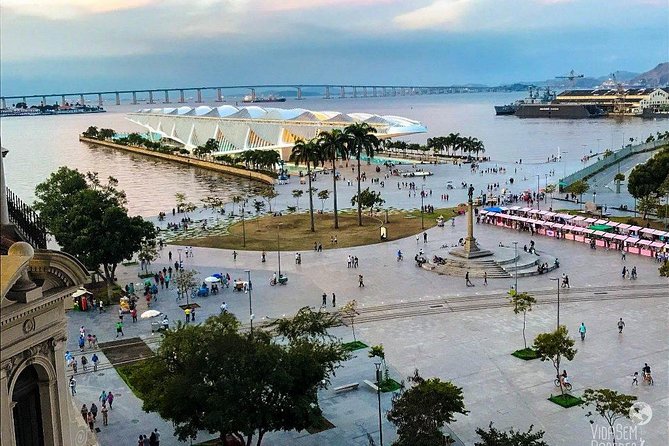
A few small choices can make this kind of tour feel effortless.
- Wear solid walking shoes. You’re outdoors for about 4 hours and moving between neighborhoods.
- Go with a water plan. Even if your guide checks in about water, it helps to have your own strategy so you don’t feel caught off guard.
- Bring a power bank. Street art is photo-friendly, and by the time you’re done, you’ll want to save what you saw.
- Ask about what to notice. Nina’s strength is connecting art to artists and local context. If you ask one question early, you’ll enjoy the rest more.
- Check weather before you commit to the day. This experience requires good weather; if it’s canceled due to poor weather, you’ll be offered another date or a full refund.
Booking Reality Check: What You’ll Be Glad You Prepared
There’s a lot to like here, but I recommend planning like a local: be ready at the start point and don’t treat it as “just a casual stroll.”
Confirmation happens within 48 hours of booking, subject to availability. And the experience has a maximum of 15 travelers, so it’s worth booking ahead if your dates are fixed—on average it’s reserved about 44 days in advance.
Also: children must be accompanied by an adult, and service animals are allowed. The tour is near public transportation, which makes it easier to build into your day.
Should You Book the Rio Street Art Tour?
Yes, if you want to understand Rio through its walls instead of just passing by them. This is the kind of tour where a strong guide changes everything: Nina’s approach turns street art into stories you can carry with you after the walking ends.
I’d especially recommend it if you like modern Brazilian art, want the names behind the work, and enjoy small-group attention. The route covers enough variety—Copacabana, a deeply meaningful stop at São João Batista Cemetery with Selarón’s tribute option, and a finish in Botafogo—to keep it from feeling repetitive.
If you want maximum convenience (like hotel pickup) or you’re looking for a much longer, heavier itinerary, then you might compare with other options. But for a focused 4-hour street-art education with real neighborhood texture, this one earns its popularity.
FAQ
How long is the Rio Street Art Tour?
The tour lasts about 4 hours.
What does the tour cost?
It costs $75.00 per person.
Where does the tour start and end?
You start at Rua Siqueira Campos, 96 in Copacabana, and you end at Parcão da Nelson Mandela, R. Nelson Mandela, 53-31 in Botafogo.
How big is the group?
The tour has a maximum of 15 travelers.
Are admission tickets included?
The stops are listed as free admission, and the included part of the tour covers all activities.
What if the weather is bad or I need to cancel?
This experience requires good weather. If it’s canceled due to poor weather, you’ll be offered a different date or a full refund. You can cancel for a full refund up to 24 hours in advance.