REVIEW · RIO DE JANEIRO
Rio Street Art Tour
Book on Viator →Run by Guia Wellington/Berimbautour · Bookable on Viator
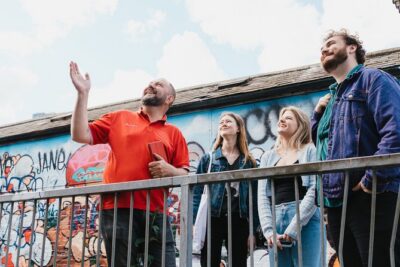
Graffiti turns Rio into a living city guide. This Rio Street Art Tour connects murals to neighborhoods, politics, architecture, and how Rio moves day to day. I especially like that the route uses public transit, so you see the city at regular speed instead of from a bus window.
I also love the way Wellington threads meaning into what you’re seeing. You get context for the characters in the street art, not just pretty walls, and that makes every stop click faster. The tone stays fun, not like a museum lecture.
One thing to consider: you do need to be okay with walking and transit time in a 3-hour window. If your day is already jam-packed, plan for a slow evening after.
In This Review
- Key things I’d highlight before you go
- Graffiti, Transit, and City Symbols: what makes this Rio route work
- Who this is best for
- Municipal Theater to Glória: where the tour starts feeling like a story
- Quick heads-up on the pacing
- Selarón Staircase and Cinelândia: street art as a bridge to public life
- A practical tip
- From VLT rides to Museu do Amanhã: the “big mural” moment
- What I think makes this section feel worth the ticket
- Olympic Boulevard to Porto Maravilha: museums, port energy, and the final wall
- Time at the end
- What to expect on the ground: walking, language, and comfort
- A smart add-on idea
- Price and value: what $68.61 buys you for 3 hours
- When the value is strongest
- The one possible drawback to plan for
- Should you book the Rio Street Art Tour?
- FAQ
- How long is the Rio Street Art Tour?
- Where does the tour start?
- Is the tour private?
- What does the tour include in terms of sights?
- Are admissions free for the places you visit?
- How much does the tour cost?
- What happens if weather is bad?
Key things I’d highlight before you go
- Wellington’s storytelling links murals to Rio’s culture and current life, not just art facts.
- Public transit all the way (subway, VLT) helps you get local rhythm fast.
- Selarón Staircase on the route, including the context of why it’s a top sight.
- Museum of Tomorrow area pairing, so the street art hits alongside a major modern landmark.
- Porto Maravilha finish, where the world-famous-scale graffiti mural scene leaves a strong final impression.
- Small-group feel with private tour setup for your group.
Graffiti, Transit, and City Symbols: what makes this Rio route work
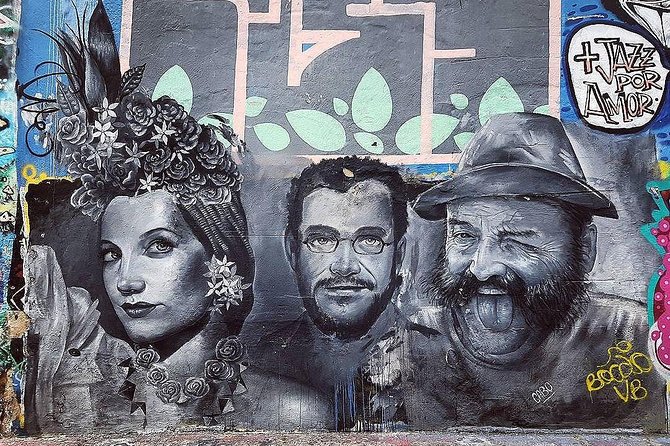
This tour is built like a scavenger hunt with a purpose: you walk, you ride, and you stop where the city’s identity shows up on walls and buildings. Rio street art isn’t random here. It’s political. It’s cultural memory. It’s neighborhood voice. And because the route strings together Glória, Cinelândia, and the port area, you don’t just collect murals. You start to understand how Rio organizes itself.
A big reason it feels effective is the transit choices. Using the subway and the VLT means you’re not only looking at landmarks—you’re practicing how Rio actually transports people between them. That matters because the murals aren’t isolated “photo stops.” They live in real streets, with real foot traffic, local rhythms, and history stacked underneath.
And the guide matters. Wellington (of Guia Wellington/Berimbautour) isn’t just pointing. He’s interpreting. One of the best parts, based on repeated comments, is how he explains why specific pieces look the way they do and what they’re saying in Rio’s language.
You can also read our reviews of more tours and experiences in Rio de Janeiro.

Who this is best for
If you like street art, you’ll love it. But it’s also a good pick if you’re more into history, architecture, or social context—because the tour uses murals as your entry point. If you want a break from the usual big-ticket sightseeing loop, this is the one.
Municipal Theater to Glória: where the tour starts feeling like a story
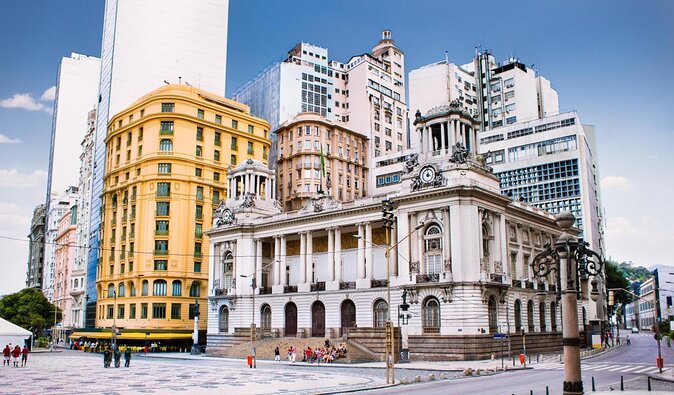
Your meeting point is the Municipal Theater of Rio de Janeiro, in the Centro area. It’s a solid start because the theater area signals “Rio isn’t just beaches.” This is the city’s civic spine—perfect for launching into a tour that uses art to read the city.
From there, the first stretch heads toward Glória and the Boulevard Olímpico area. This is where the tour leans into one of the standout ideas: you’ll contemplate the first legalized graffiti in Rio. That detail is a big deal. It flips the usual street-art assumption that graffiti exists only in the shadows. Here, you get a sense of how graffiti moved from underground expression into a visible part of Rio’s public identity.
Wellington also connects what you’re seeing with the built environment. You’ll notice European architectural influence while passing through the city fabric—an important contrast when you then hit the street art. It helps you see Rio as a place shaped by different waves of culture and power, not just one uniform style.
Quick heads-up on the pacing
The first stop segment is about 20 minutes, and it includes transit and moving through multiple sight lines. So think of it as a warm-up with real context, not a long pause to snack and linger.
Selarón Staircase and Cinelândia: street art as a bridge to public life
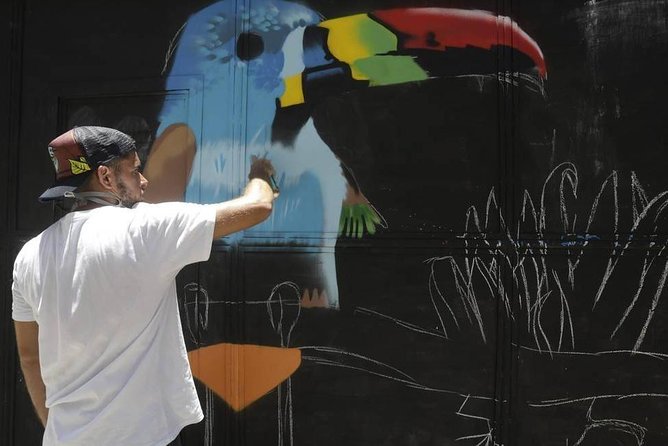
Next comes Escadaria Selarón—the Selarón Staircase. This is a top tourist magnet, but the tour’s value is that it’s not treated like a selfie-only stop. It’s described as the third most visited tourist spot in the city, and that status is part of the story: the staircase became a public symbol that people rally around, not just an alley art moment.
Then you move into Cinelandia, where the tour focuses on institutions: main libraries and the main theater of the city. Cinelândia is one of those places where Rio’s architecture and public culture feel like they’re speaking at the same volume as the murals. Seeing these civic spaces in sequence with street art helps you spot the common thread. Both are built for visibility and for identity.
At around 20 to 30 minutes in this stretch, the tour still stays snappy enough to keep the rhythm. But it gives you just enough time to look closely at details and connect them to the bigger themes Wellington talks about—culture, politics, and how people show up in public space.
A practical tip
If you’re the kind of person who takes photos slowly, don’t worry—just plan to trade a little time at the start of the day. This tour works best if you let the guide’s explanations steer your attention.
From VLT rides to Museu do Amanhã: the “big mural” moment
One of the tour’s headline experiences is how it connects street art with modern landmark energy. After Cinelândia, you take the VLT (Rio’s public transportation) toward the port-side mural area, and the tour sets up the moment you’re heading for: the Etinia panel, described as the largest graffiti mural in the world.
Whether you’re a die-hard graffiti fan or just curious, the scale is the point. Large murals don’t just look impressive. They change how you read the street. From a distance, you see the whole message. Up close, you start noticing the layers—the shapes, the character choices, and the way colors behave when they’re meant to be seen by moving crowds.
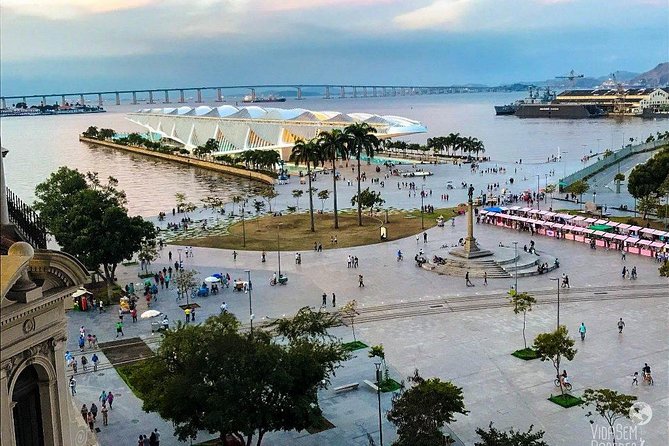
The itinerary notes that after the mural focus, the tour ends up at the Museum of Tomorrow (Museu do Amanhã) area. That pairing is smart for your understanding of Rio. You’re not only seeing street art on a wall. You’re seeing how the city frames itself in different time zones: street voices in the present, big museum visions looking ahead, and both sitting next to each other in the urban machine.
Expect about 30 minutes in the Cinelândia-to-Olympic-Boulevard transit and stop rhythm, then the tour continues toward the port finish.
What I think makes this section feel worth the ticket
This isn’t just “see the biggest mural.” It’s “see how Rio places big art in civic space.” The street art becomes part of how you orient yourself in the city, the same way big museums help you orient in a new neighborhood.
Olympic Boulevard to Porto Maravilha: museums, port energy, and the final wall
You’ll arrive at Boulevard Olímpico, which is described as home to the city’s main museums. This stop works like a hinge in the tour. Earlier, you were reading murals as neighborhood identity. Here, the tour adds the institutional layer—how museums and major cultural sites sit near public art culture and how both shape what Rio wants visitors to understand.
Then the tour finishes in Porto Maravilha, where you’ll meet the largest graffiti mural in the world. The wording is repeated in the route notes, and the effect is the same: the tour saves the biggest visual punch for the end. By the time you reach Porto Maravilha, you’ve already learned the habit of reading art as meaning, so the final stop lands harder.
One review note that Wellington guided the group to the broader area near Little Africa themes and the connection to Afro-Brazilian history. Even when you’re focused on graffiti, that context matters here because the port region isn’t just modern walls. It’s also where Rio’s story of migration, enslavement, and cultural rebuilding sits in the background.
Time at the end
You get about 1 hour at the Porto Maravilha finish window. That’s a relief if you’re photo-happy, because you’re not rushed off immediately after the mural reveal.
What to expect on the ground: walking, language, and comfort
This is a private tour, so it’s only your group. That tends to make a difference in how much attention you get. It also helps if you want to ask questions without feeling like you’re competing with a crowd.
The route mixes subway, VLT, and walking. One family mentioned there’s a fair amount of walking, so I’d treat this as a mild-to-moderate walking day. If your legs are already tired from Copacabana or a long day of beaches, plan your schedule accordingly.
Language is another real-world factor. Wellington speaks excellent English, and at least one solo traveler said he even offered a chance to practice Portuguese. That can be a fun way to feel less like you’re consuming a city and more like you’re interacting with it.
And bring basics: one review suggested bringing a bottle of water. I agree. Rio heat can be sneaky, and you’ll be moving between stops.
A smart add-on idea
If you want more food time, the tour includes the guide sharing favorite nearby places to eat. One review ended with a really good lunch among locals after the tour. So if you can, schedule your next meal right after, while you’re still in the groove.
Price and value: what $68.61 buys you for 3 hours
At $68.61 per person for about 3 hours, this price feels fair for the mix you get. You’re paying for more than the ability to look at murals. You’re paying for:
- A guide who links street art to Rio’s culture and politics
- A route that connects multiple city districts (Centro to port)
- Transit that helps you cover distance without guesswork
- An itinerary where admission tickets are listed as free for the stops on the tour
“Free admissions” doesn’t mean the tour is cost-free, because you still have the practical parts: getting around using public transport and your own time. But it does mean your ticket isn’t blocked by entry fees at each stop.
Also, this is booked about 30 days in advance on average, which tells me it’s not just a random niche walk. It’s a known hit for people who want something different from standard sightseeing.
When the value is strongest
This tour is best value if you:
- Like guided context, not just photos
- Want a shorter day that still feels like you learned a lot
- Plan to use public transit in Rio anyway (so the learning curve becomes practical)
The one possible drawback to plan for
The biggest downside isn’t the art. It’s the pace and the environment. The tour requires good weather. If weather turns, the experience can change dates or you may get a refund. Also, because it’s built around multiple districts and transit segments, you’ll want comfortable shoes and a little patience.
Should you book the Rio Street Art Tour?
Yes, if you want a Rio experience that feels like a city lesson, not a checklist. I’d especially recommend it if you care about what street art means and how it connects to neighborhood identity, history, and public life.
Skip it only if you’re looking for a totally relaxing, mostly seated tour. This one moves. It uses transit. It expects you to walk, look, and listen. But if that sounds like your kind of travel day, this tour is a strong pick—particularly because it’s led by Wellington, who keeps the story grounded and makes the murals feel like part of Rio’s everyday conversation.
FAQ
How long is the Rio Street Art Tour?
The tour lasts about 3 hours.
Where does the tour start?
The meeting point is the Municipal Theater of Rio de Janeiro at Praça Floriano, S/N – Centro.
Is the tour private?
Yes. It is a private tour/activity, and only your group participates.
What does the tour include in terms of sights?
You’ll visit multiple street art and landmark areas, including Boulevard Olímpico (Glória area), Escadaria Selarón, Cinelandia, and Porto Maravilha, with transit between stops.
Are admissions free for the places you visit?
The itinerary lists admission ticket information for the stops, and the ticket notes provided are free.
How much does the tour cost?
The price is $68.61 per person.
What happens if weather is bad?
This experience requires good weather. If it’s canceled due to poor weather, you’ll be offered a different date or a full refund.