REVIEW · DUBLIN
Street Art Walking Tour
Book on GetYourGuide →Run by Alternative Dublin · Bookable on GetYourGuide
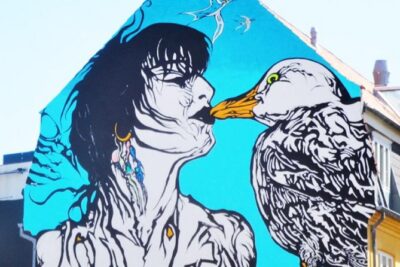
Street art in Dublin is right in your face. This 2-hour guided walk turns ordinary streets into a living gallery of murals, graffiti, stickers, and paste-ups. You’ll get the backstory on the underground culture behind it all, plus plenty of stops built for photos.
I especially like two things. First, the guides include people like Liam, who’s clearly plugged into the local scene and even brings small, human humor along the way. Second, you’re not just ticking boxes—you’re seeing 30+ pieces spread across central Dublin, including lesser-known corners you’d miss if you were wandering solo.
One thing to weigh: it’s not for everyone’s mobility. Some parts of the route aren’t accessible, so if you use a wheelchair or need step-free paths, you may want to plan another option.
In This Review
- Key things that make this tour worth it
- Starting at The Grand Social: why this walk is a smart use of time
- What you’ll see: murals, graffiti styles, stickers, and paste-ups
- Stop-by-stop route: from Grand Social to the Abbey Court Hostel walls
- Stop 1: The Grand Social (starting point)
- Stop 2: Yamamori Tengu
- Stop 3: Abbey Court Hostel
- The Icon Factory and Temple Bar: where street art meets mainstream foot traffic
- Stop 4: The Icon Factory & The Icon Walk
- Stop 5: Temple Bar
- Blooms Hotel, Project Arts Centre, and Crampton Court: the stretch where the art scene feels close
- Stop 6: Blooms Hotel
- Stop 7: Project Arts Centre
- Stop 8: Crampton Court
- Finish at Crampton Court
- The gallery stop and supporting artists after the walk
- Price, rain, and the practical stuff that affects your day
- Should you book this Street Art Walking Tour?
- FAQ
- How long is the street art walking tour?
- How much does the tour cost?
- Where do I meet the guide?
- What language is the tour guide speaking?
- How many artworks will I see?
- What will we do during the tour?
- What happens if it rains?
- Is the tour wheelchair accessible?
- Can I get a refund or swap my ticket if plans change?
- Should I tip the guide?
Key things that make this tour worth it
- 30+ public artworks in about two hours, so you get real street-art density without feeling rushed
- Photo-stop pacing at multiple landmarks, including The Icon Factory area and Temple Bar
- A guide who’s in the scene, with insider context on what’s changing in Dublin’s art world
- A tucked-away gallery stop where you can support artists with prints or commissions
- Practical recommendations after the walk, so you can keep your Dublin street-art day going
- Runs in the rain, so you won’t lose the whole plan if clouds roll in
Starting at The Grand Social: why this walk is a smart use of time
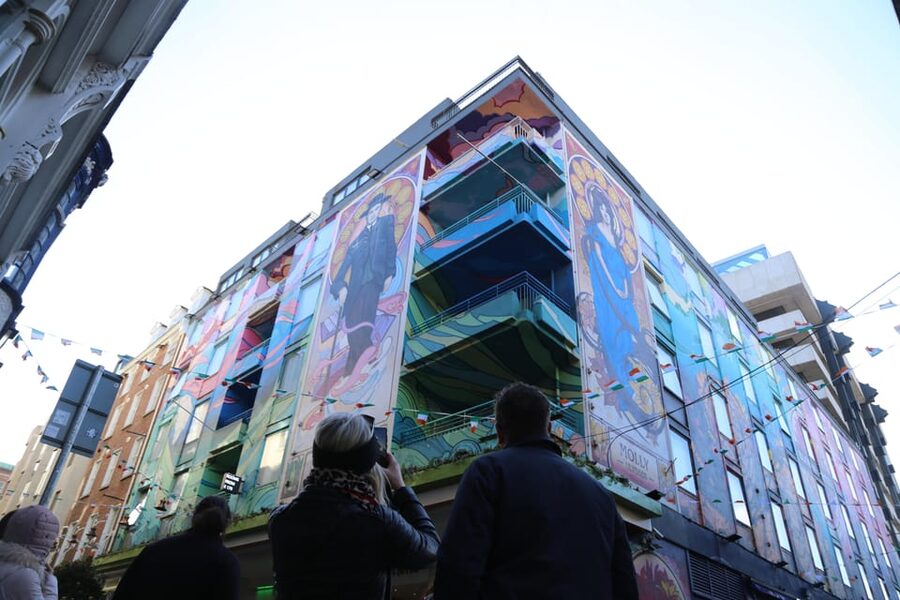
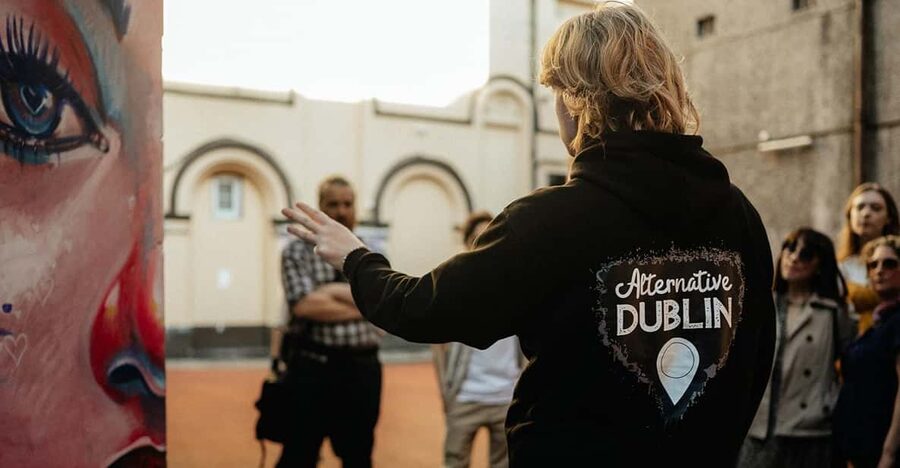
Meet outside The Grand Social on Liffey Street, with the guide waiting in the public space by the trees beside the Ha’penny Bridge. It’s a convenient central launch point, and the route is built so you’re not crisscrossing the city for far too long. With only two hours, the pace makes sense: you’re here to see a lot, learn what you’re looking at, then move on with better city instincts.
The real value isn’t just the art. It’s how the guide frames what you’re seeing—how street art and graffiti in Dublin connect to local identity, underground scenes, and what artists are responding to right now. That context matters because street art often reads like random visuals unless someone teaches you how to “listen” for style, symbols, and placement choices.
This is also a tour that feels small and independent in spirit. Even the way the business talks about relying on small groups gives you a clue: it’s not a factory-style script. You’ll hear human details, not just a generic explanation of what graffiti is.
If you’re coming in for a short stay or you want something more personal than a standard sightseeing walk, this is a strong match. It gives you a Dublin lens you can use for the rest of your trip.
You can also read our reviews of more tours and experiences in Dublin.

What you’ll see: murals, graffiti styles, stickers, and paste-ups
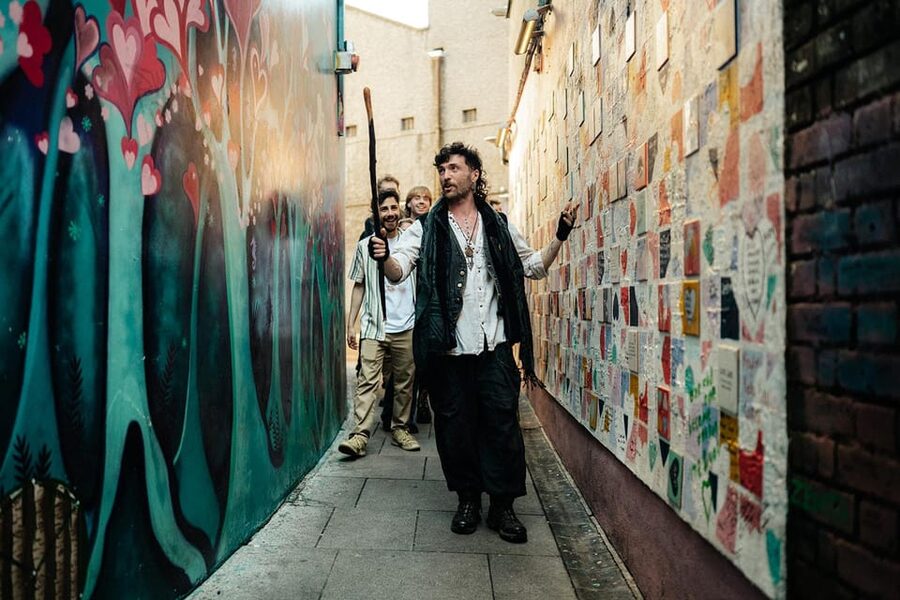
The core promise is simple: you’ll see street art around Dublin and learn about the city’s underground culture. The walk includes murals and graffiti, but it also expands into the smaller stuff that tells you what’s happening day-to-day—stickers and paste-ups, plus other types of public art.
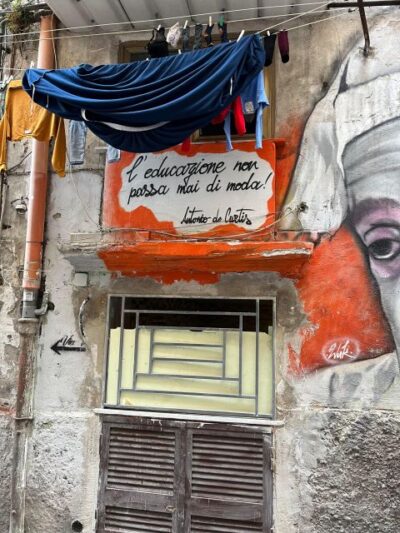
You’ll get a practical way to look at street art beyond the “cool picture” stage. The guide points out different forms and explains how they function in the city. Murals tend to read as more public statements. Stickers and paste-ups can feel like quick messages—sometimes political, sometimes playful, often tied to specific moments. When you understand that mix, Dublin’s walls stop looking accidental.
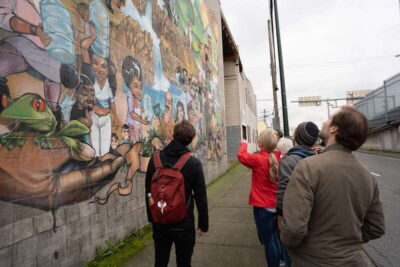
This tour also helps your photo habits. Multiple stops are explicitly photo stops, so the route gives you time to frame shots, not just glance while walking. That’s especially helpful if you’re picky about angles or want both wide street context and close-up texture.
And there’s a payoff built in: after the tour, you’ll likely notice Dublin differently. Not as a set of monuments, but as a city where art is constantly being added, replaced, tagged, painted, and layered.
Stop-by-stop route: from Grand Social to the Abbey Court Hostel walls
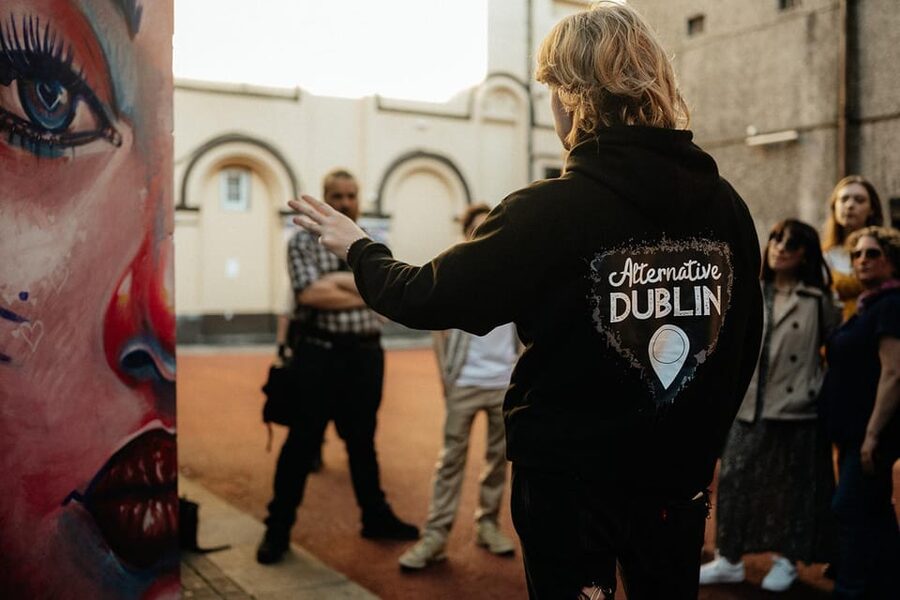
Stop 1: The Grand Social (starting point)
You start at The Grand Social on Liffey Street, by the trees next to Ha’penny Bridge. This matters because it gives you an easy mental anchor. You’re starting near a famous crossing, but you won’t spend the whole walk in the most obvious tourist lane.
Stop 2: Yamamori Tengu
Next up is Yamamori Tengu, and this is a stop designed for a quick photo and guided explanation (around 15 minutes). Names like this signal that you’re not just seeing unnamed scribbles—you’re encountering identifiable works and artists. It also sets the tone: the tour treats street art as part of Dublin’s contemporary visual culture, not as random clutter.
Stop 3: Abbey Court Hostel
Then you’ll hit Abbey Court Hostel for another guided photo moment (about 20 minutes). Hostels and small inner-city spots often act like street-art canvases because they attract foot traffic and sit right in the flow of daily life. You’ll likely notice how placement changes the meaning—art near routes people walk every day tends to feel more connected to the city’s pulse.
What I like about this early stretch is that it gives you momentum. After just a couple of stops, you’ll start noticing patterns: recurring themes, different paint styles, and how artists use surfaces that are “public enough” to be seen, but still off the main sightseeing path.
The Icon Factory and Temple Bar: where street art meets mainstream foot traffic
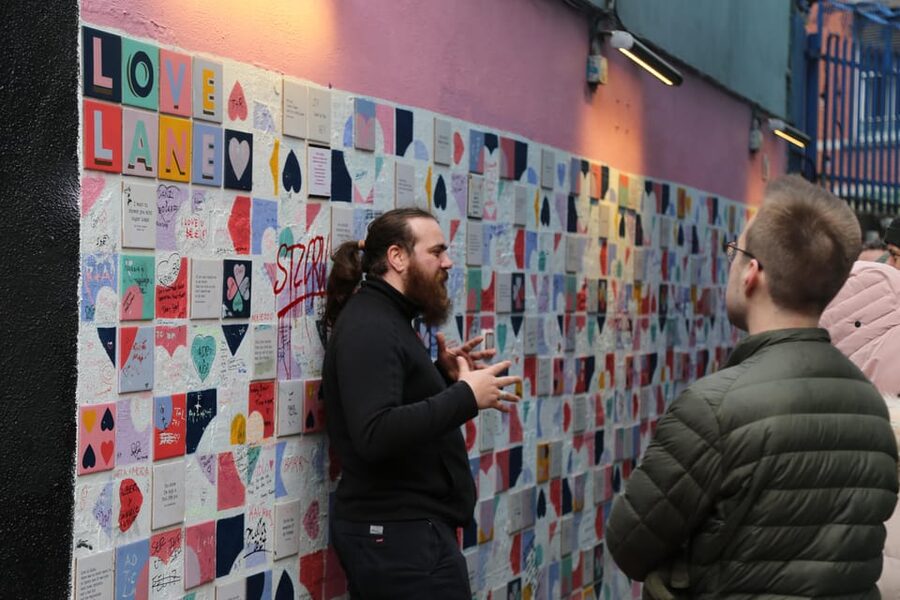
Stop 4: The Icon Factory & The Icon Walk
You’ll spend about 25 minutes at The Icon Factory & The Icon Walk, with another photo stop and guided tour segment. This is an area where you can watch the line between underground and public art get thinner. When street culture is acknowledged by established art spaces, it changes how the work is perceived.
The guide’s job here is key. Without some framing, you might treat this stretch as just another set of walls. With the context, you’ll understand why the works are placed where they are and how that location influences the message.
Stop 5: Temple Bar
Then comes Temple Bar for about 25 minutes. This is a classic tourist zone, so it’s interesting to see street art in the same frame. Temple Bar is where you’ll likely feel the “Dublin contradiction”: a place famous for nightlife and crowds, yet still filled with street-level creativity.
A good street-art tour shouldn’t ignore famous places—it should show you how the city’s wall culture works even where tourists are thick. This stop helps you spot what street artists do when the audience is larger and attention is easier to catch.
Blooms Hotel, Project Arts Centre, and Crampton Court: the stretch where the art scene feels close
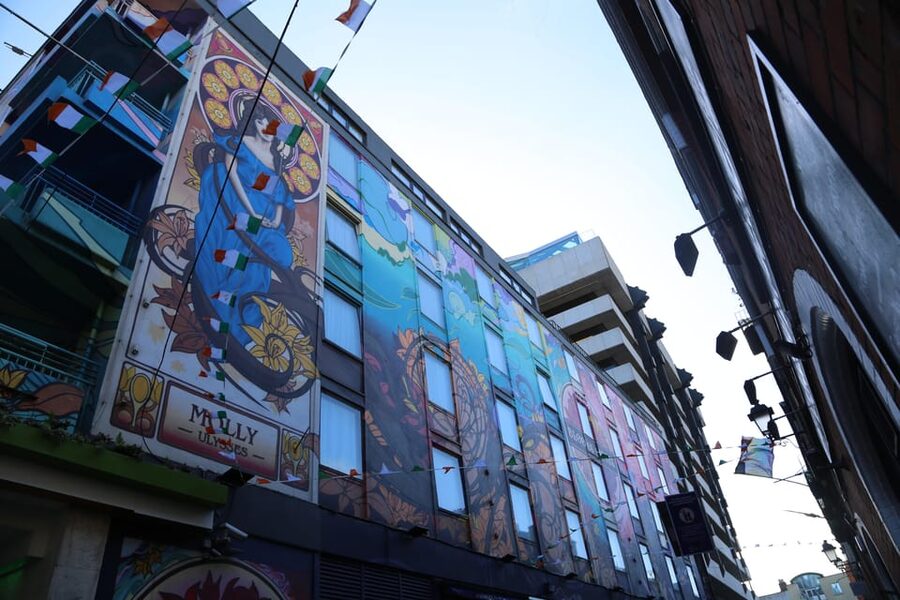
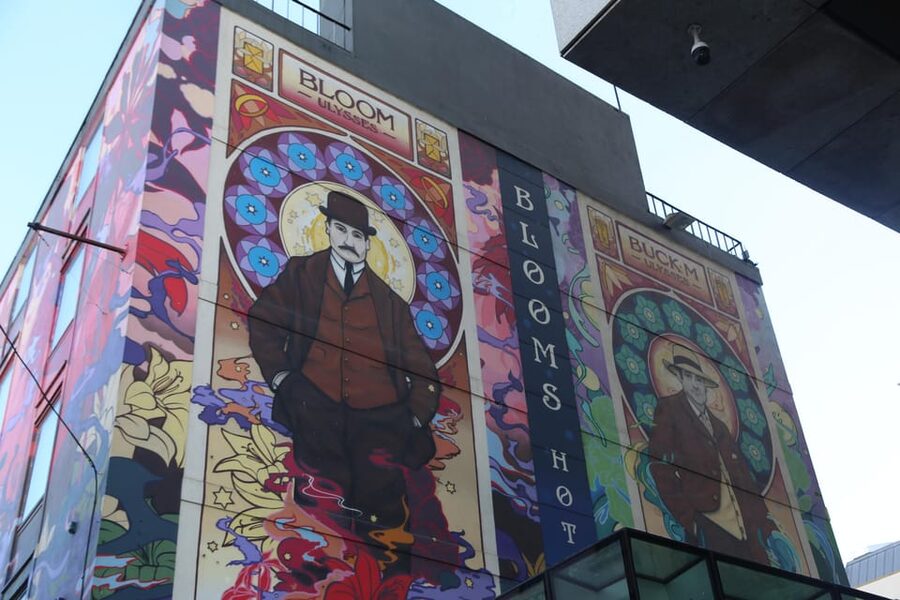
Stop 6: Blooms Hotel
You’ll continue with a shorter stop of about 15 minutes at Blooms Hotel. Short doesn’t mean small. These quick hits often work because the guide points you toward what to look for immediately—style cues, layered paint or texture, and the way the piece interacts with the street.
Stop 7: Project Arts Centre
Next is Project Arts Centre for around 10 minutes. This stop matters because it signals the link between street art culture and formal arts institutions. Even when you’re not “in a gallery,” you can feel that the art scene is alive and organized in Dublin.
The value here is perspective. Street art isn’t only about illegal adrenaline or quick tags. It’s also part of how creative communities exist side-by-side, share themes, and influence each other.
Stop 8: Crampton Court
Then you’ll arrive at Crampton Court for another photo stop and guided segment (about 10 minutes). This area is the kind of place you’d maybe pass a hundred times without noticing what makes it special. A guided tour helps you slow down and see it as a designed experience—an art-adjacent corner with its own character.
Finish at Crampton Court
The walk finishes at Crampton Court. You’ll end having seen a full sample of Dublin street art—enough pieces to compare styles and enough explanation to understand what you’re looking at.
The gallery stop and supporting artists after the walk
One of the best parts of this experience is what happens after the street tour surface-level sightseeing. The tour includes a unique gallery tucked away in the city centre. You can support artists by buying prints, paintings, or even commissioning work.
This matters because street art can feel distant from your wallet. This structure bridges the gap. You see the art in public space, learn names and styles, then you’re offered a real way to keep that creative work going.
They also mention that after each tour you receive a link to each artist featured. That’s useful because street art photos can blur together later. Having a way to revisit the specific artists helps you remember what you saw and follow their work after you get home.
If you like ideas you can act on, this is a big plus. It turns a fun two-hour outing into a more meaningful connection with Dublin’s creative scene.
Price, rain, and the practical stuff that affects your day
The price is $17 per person, and for a two-hour guided walk with multiple photo stops and 30+ pieces, that’s solid value—especially if you care about context. The cost makes sense when you factor in the guide’s role: they help you understand what you’re seeing, not just where to stand for a picture.
Here’s the practical reality: the tour runs even if it rains. So if you show up with a light rain jacket or umbrella, you’re mostly fine. The route being outdoors is the main variable, not the plan collapsing.
A few rules keep the experience comfortable. Weapons or sharp objects aren’t allowed. Intoxication, alcohol and drugs aren’t allowed, and you also can’t make fires or do anything involving nudity. If you’re going out for a drink later, just keep this one clean and focused.
Mobility is the biggest caution. Some parts aren’t accessible, so it’s not suitable for wheelchair users or people with mobility impairments. If that’s you, check for another activity that matches your needs.
Should you book this Street Art Walking Tour?
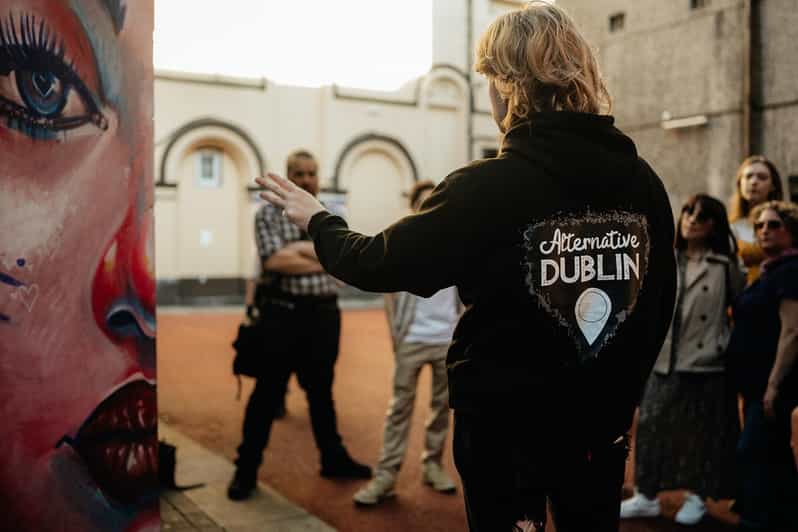
Book it if you want Dublin to feel current and a little edgy. This tour gives you more than photos—you learn how different street-art forms work, and you leave with a sharper way to read the city.
Skip it if you need step-free access throughout, or if you’d rather spend your time on classic landmarks only. Also, if street art isn’t your thing, you might find the focus too specialized for your tastes.
If you’re on the fence, here’s my quick decision rule: if you like walking routes where the walls tell stories, and you want an easy way to support artists at the end, this is an excellent use of two hours in central Dublin.
FAQ
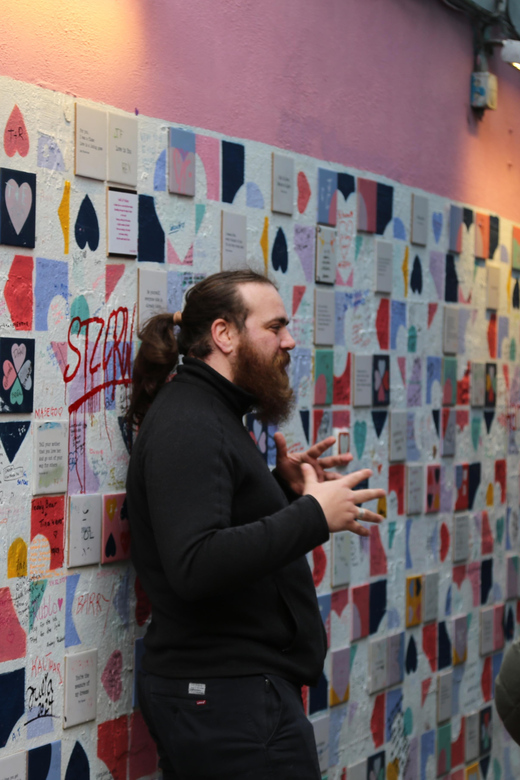
How long is the street art walking tour?
It lasts about 2 hours.
How much does the tour cost?
The price is $17 per person.
Where do I meet the guide?
Meet outside The Grand Social on Liffey Street, in the public space with the trees beside the Ha’penny Bridge.
What language is the tour guide speaking?
The tour is guided in English.
How many artworks will I see?
The tour includes 30+ pieces of public artwork.
What will we do during the tour?
You’ll take guided photo stops around the city centre and learn about murals, graffiti, stickers, paste-ups, and related underground culture. There’s also a stop at a unique gallery in the city centre.
What happens if it rains?
The tour proceeds even if it’s raining. It’s suggested you bring an umbrella or rain jacket.
Is the tour wheelchair accessible?
No. It is not suitable for wheelchair users, and parts of the tour are not accessible everyone.
Can I get a refund or swap my ticket if plans change?
For refunds, the policy states free cancellation up to 24 hours in advance for a full refund, and the operator also asks for 5 days notice to issue a refund if you think you can’t attend. Ticket swaps aren’t allowed unless you give 5 days notice.
Should I tip the guide?
Tipping is optional. If you tip, the guides keep the tips from the tour.