REVIEW · TEL AVIV
Tel Aviv: Street Art and Graffiti Tour
Book on GetYourGuide →Run by Be Tours · Bookable on GetYourGuide
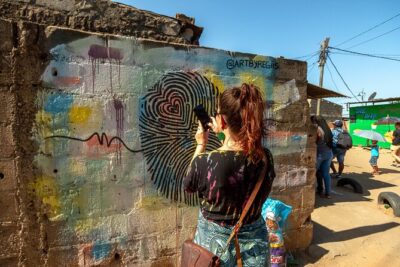
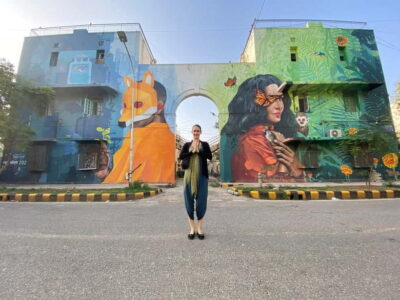
Street art in Tel Aviv is a live language. On this guided walk, you follow walls and alleyways where graffiti culture meets local life, ideas, and evolving styles. You’ll choose between Florentine or Ha’Mesila Park, and your route shapes what you notice and how the story lands.
Two things I really like: you get a local English-speaking guide who helps you read what you’re seeing, and you also get context beyond images—history, plus philosophical, psychological, and economic angles of urban art. One thing to consider is that it runs on a minimum group size, so if it’s just you and a couple friends, it may not run as planned.
If you want a guided way to understand graffiti culture in real public space, this tour is an easy win. You’ll learn the “language of the streets” while walking neighborhoods where art is right on the route, not behind glass. One guide name that comes up in past tours is Shir, and his street art knowledge and passion have made the experience feel personal and specific—not generic.
In This Review
- Key takeaways before you go
- Where Tel Aviv’s graffiti culture shows up in real life
- Florentine vs Ha’Mesila Park: pick the route that fits your mood
- Florentine neighborhood route
- Ha’Mesila Park route
- What you actually learn on the walk (and why it matters)
- A realistic view of the pacing: 90 minutes to 2 hours
- How the tour typically feels as you move
- Why the guide experience makes or breaks it
- Price and value: is $58 fair for 1.5 to 2 hours?
- What’s included vs what you’ll handle yourself
- Who this tour is best for
- Practical tips so you get more from the tour
- Should you book this Tel Aviv street art and graffiti tour?
- FAQ
- How long is the Tel Aviv Street Art and Graffiti Tour?
- How much does it cost?
- Where does the tour take place?
- What are the two route options?
- What is included in the price?
- Are food and drinks included?
- What language is the tour guide?
- Where do we meet?
- Is the tour wheelchair accessible?
- Is there a minimum group size?
- What is the cancellation policy?
- Can I reserve now and pay later?
Key takeaways before you go
- Choose Florentine or Ha’Mesila Park to match the kind of street scene you want to see.
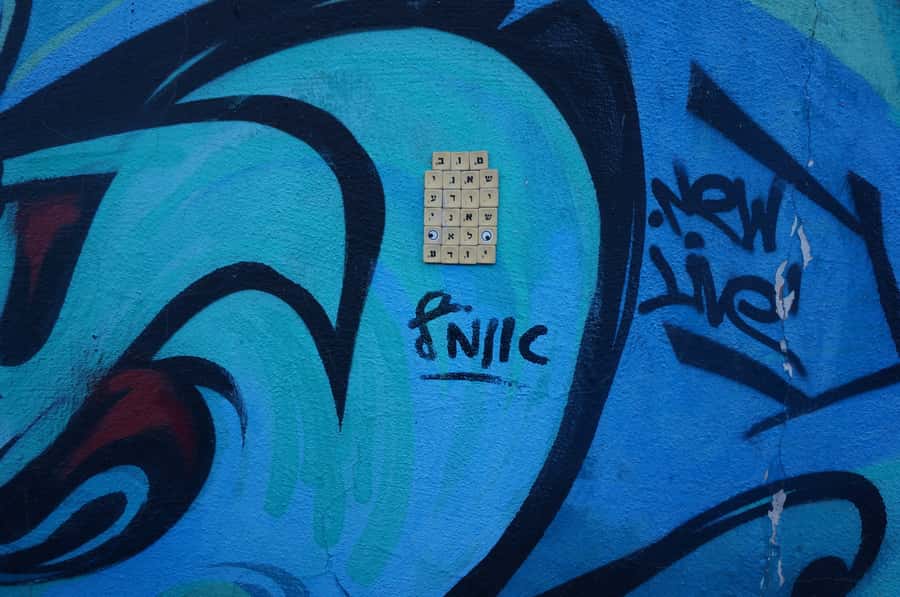
- You’re not just looking—you’re learning the language of symbols, tags, styles, and meaning.
- Expect talk about history and the mind behind graffiti, including philosophical and psychological themes.
- You’ll meet multiple artist approaches rather than hearing one story about one mural.
- A guide who adapts works well if your group includes people who only know some Hebrew.
- Wheelchair accessible, so you don’t have to miss out due to mobility needs.
Where Tel Aviv’s graffiti culture shows up in real life
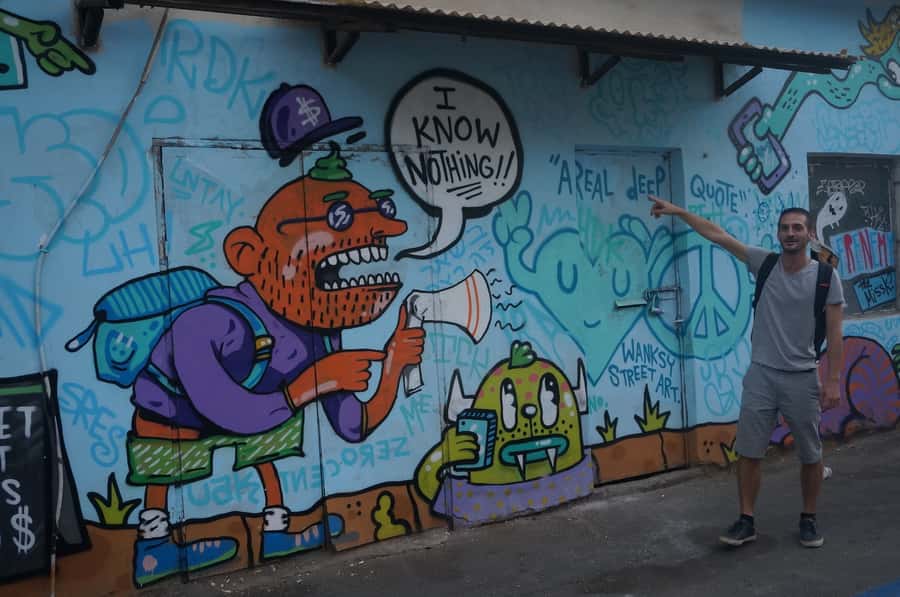
Tel Aviv has become one of the places where street art feels genuinely current. This tour focuses on how graffiti lands in everyday public space—on walls people pass daily, in alleyways you wouldn’t normally explore on purpose, and in neighborhoods where art is part of the visual conversation.
What makes this more than a photo walk is the way the guide frames the scene. You’re walking through public art while talking about why people make it, how styles change, and why the city lets it breathe.
The result is that you start noticing details you’d normally skip: how different marks behave like signatures, how style can signal identity, and how the “message” can be social, personal, or purely aesthetic.
You can also read our reviews of more tours and experiences in Tel Aviv.



Florentine vs Ha’Mesila Park: pick the route that fits your mood
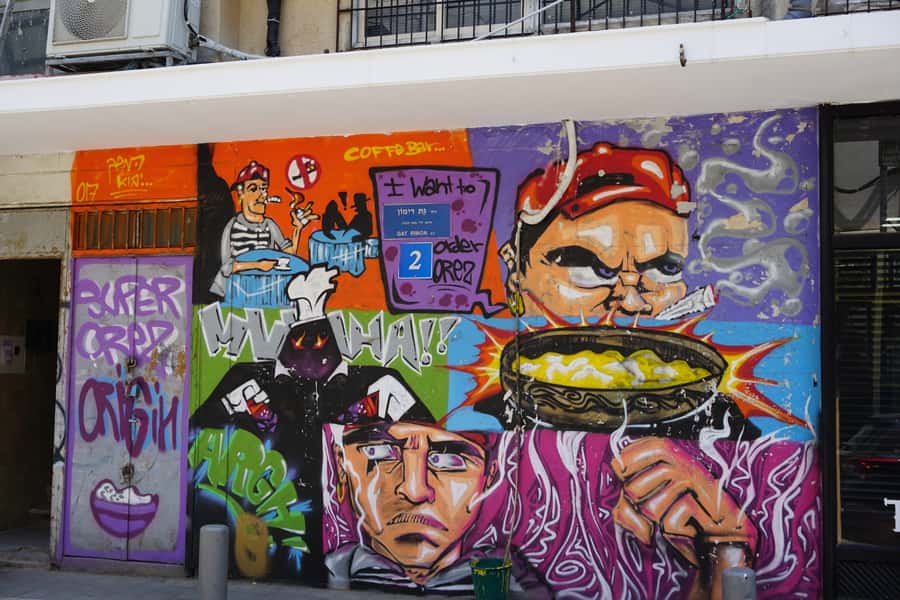
You get two route options, and both make sense. The choice is less about which one is better and more about what atmosphere you want to walk through.
Florentine neighborhood route
Florentine tends to feel like a concentrated street-art zone where the visuals can be dense. If you like walking past lots of different surfaces—walls, fences, and corners—you’ll likely enjoy a Florentine route because there’s plenty to look at and compare.
This is also a great pick if you like discussion while moving. The neighborhood works well for talking through how styles evolve and how different artists keep showing up in the same “public playground.”
Ha’Mesila Park route
Ha’Mesila Park offers a different pace. If you prefer a route where the setting feels more open and you can take in the art while keeping a calmer walking rhythm, this option can feel more relaxed.
You’ll still focus on street art and graffiti, but the park-style environment can make it easier to slow down and read the works without feeling hurried by heavy foot traffic.
If you’re traveling with mixed interests—some people who want art and others who just want a good walk—either route can work. Your best bet is to choose based on whether you want a more concentrated neighborhood feel (Florentine) or a steadier, open-air mood (Ha’Mesila Park).
What you actually learn on the walk (and why it matters)
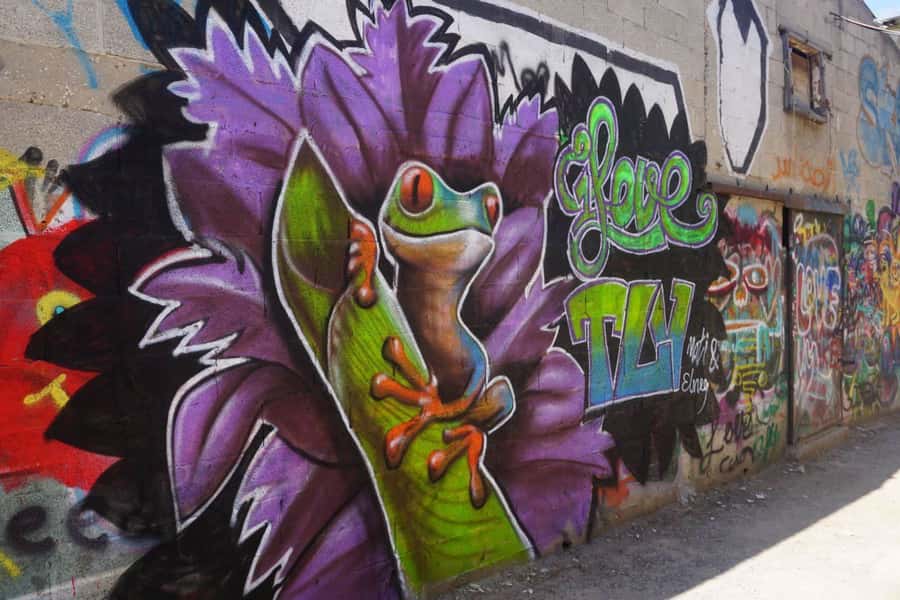
Street art can look chaotic at first, especially if you only know the basics—tags, murals, and street icons. This tour helps you organize what you’re seeing into categories you can hold in your head while you walk.
You’ll cover several themes:
- the history of graffiti, with enough background to make today’s styles feel connected
- philosophical and psychological angles—why people create public work and how identity and emotion show up in it
- the economic side of urban art—how it interacts with city life and attention
- the different styles that keep changing as the scene evolves
That might sound academic, but the way it’s taught is practical. You’re not sitting in a classroom—you’re listening while the art is right there. So ideas like meaning, authorship, and “the city economy” become something you can test immediately by looking at what’s on the wall.
This is also where the guide earns the time you spend. In past tours, guides have shown a sense of humor and made the explanations feel human. One highlight: the guide named Shir has been praised for using first-hand experience and showing real passion, which tends to turn the walk into a conversation rather than a lecture.

A realistic view of the pacing: 90 minutes to 2 hours
This is a short, focused tour. Expect about 90 minutes to 2 hours depending on the route and timing. That duration is a sweet spot: long enough to see multiple works and get real explanation, short enough that you can still enjoy the rest of your day afterward.
Because it’s a walking tour through streets and alleyways, comfortable shoes matter. You’ll be outdoors, and the whole point is seeing art in place. Build in extra time if you plan to take photos, because you’ll probably want to linger on some pieces.
How the tour typically feels as you move
Most of the value comes from the flow:
- you start with framing: how to look and what kinds of graffiti styles you’re likely to notice
- you move through street sections where the guide points out differences in technique and intent
- you stop briefly enough to connect what you see with the bigger themes—identity, psychology, and public meaning
- you finish with a wrap-up that helps you keep recognizing patterns after the tour ends
One useful detail from past experiences: guides have a way of keeping adults engaged while also working for teens. If your family includes younger people who are tired or jet lagged, you may find the discussion style keeps them alert—especially when the guide references what people can spot right then.
Why the guide experience makes or breaks it
A street art tour lives or dies on the guide. You can see graffiti on your own, sure. The difference is whether you understand what you’re looking at, who’s behind it, and why the art shows up when it does.
This tour is led by a live guide in English and Hebrew, and the tour includes a local English-speaking guide. Past tours highlight that guides pay attention to language needs. For example, one guide effort that stood out: when a guest didn’t speak Hebrew, the guide made sure everyone stayed on the same page and included them in what was being discussed.
You’ll also want a guide who knows how to connect art styles with real-world context. Shir is one example who’s been praised specifically for sharing street art knowledge from personal experience, and for being playful with the idea of identity—like when he revealed his own graffiti role after stopping at one of his original works. That kind of moment can shift the tour from informative to memorable.
If you care about authenticity, this is the angle to look for: art explained by someone who can connect it to the street scene, not just a slideshow.
Price and value: is $58 fair for 1.5 to 2 hours?
At $58 per person for 90 minutes to 2 hours, you’re paying for three things:
1) a local guide (English-speaking) who can interpret what you see
2) guided access to the streets and the context you’d struggle to assemble on your own
3) structured time—so you’re not guessing which walls matter or what each style might mean
If you just want photos, you can DIY Tel Aviv street art for free. But if you want the context—history, psychology, philosophy, and even the economic side—this price starts to feel reasonable. Street art is fast to look at and hard to fully decode without help, and that’s exactly what you’re buying.
Also, the tour is short. You’re not paying for half a day of logistics; you’re paying for an efficient hit of understanding. In a tight itinerary, that’s real value.
What’s included vs what you’ll handle yourself
Included:
- a local English-speaking guide
Not included:
- food and drinks
That matters because the tour is mostly about walking and looking. Plan to eat before or after, depending on your route time. If you tend to get hungry fast, treat this as a walk in the middle of your day rather than something that will keep you fueled.
Who this tour is best for
This experience fits best if you like:
- street art but want more than surface-level description
- learning through walking and looking, not sitting
- culture discussions that connect art to how people think and live
It’s also a strong pick if your group has mixed interests, because the guide style (including humor and clear explanation) has been noted as something that holds attention across ages. If you’re traveling with teens, this tour’s “spot and talk” rhythm can work well.
If you hate walking, or if you want a purely visual experience with no discussion, you might find this less satisfying. The tour’s purpose is interpretation, not just scenery.
Practical tips so you get more from the tour
Before you go, do a small amount of prep so the explanation lands.
- Wear comfortable shoes. You’ll be moving through streets and alleyways for up to two hours.
- Bring a phone for photos, but leave space in your brain for listening. Some details are easier to catch when you pause the camera.
- If you speak only English, you’re fine. The tour is guided in English, and past guides have handled Hebrew language gaps with care.
- If you’re choosing between routes, think about your pace. Florentine often feels more concentrated, while Ha’Mesila Park can feel steadier and calmer.
- Bring curiosity. Graffiti can be political, personal, or purely stylistic. The guide helps you sort that out while you’re there.
Should you book this Tel Aviv street art and graffiti tour?
Book it if you want to understand Tel Aviv street art in a way that sticks. For $58, you get a guided walk through key neighborhoods where you’ll learn styles, history, and the emotional and social forces behind graffiti. The short time makes it easy to fit into your day, and the guide-led context is the big differentiator.
Skip it only if you’re expecting a purely scenic stop-and-snap experience. This tour is built around explanation and discussion, so your best results come when you’re ready to look actively.
One more quick decision helper: if you can’t decide, choose based on where you’d rather walk—Florentine for lots of street energy, or Ha’Mesila Park for a calmer, open-air feel.
FAQ
How long is the Tel Aviv Street Art and Graffiti Tour?
The tour lasts about 90 minutes to 2 hours.
How much does it cost?
The price is $58 per person.
Where does the tour take place?
It runs in Tel Aviv in the Central District area, with the experience offered through either the Florentine neighborhood or Ha’Mesila Park.
What are the two route options?
You can book one of two routes: the Florentine neighborhood or Ha’Mesila Park.
What is included in the price?
The tour includes a local English-speaking guide.
Are food and drinks included?
No. Food and drinks are not included.
What language is the tour guide?
The live tour guide speaks English and Hebrew.
Where do we meet?
The meeting point may vary depending on the option you booked.
Is the tour wheelchair accessible?
Yes, it is listed as wheelchair accessible.
Is there a minimum group size?
Yes. The tour is subject to a minimum of 6 participants.
What is the cancellation policy?
You can cancel up to 24 hours in advance for a full refund.
Can I reserve now and pay later?
Yes. There’s a reserve & pay later option to keep your plans flexible.