REVIEW · TIRANA
Tirana: Street Art & Modern Architecture Walking Tour
Book on GetYourGuide →Run by Tour Tirana · Bookable on GetYourGuide
Street art tells you where Tirana is going. On this street art and modern architecture walk, I love how you get a local lens for the murals and graffiti, and how newer buildings help explain why Tirana looks the way it does today. It’s the kind of tour where you stop seeing random walls and start spotting messages, symbols, and social commentary you’d otherwise miss.
One thing to plan for: two hours goes fast. If you’re the type who wants to study every painted corner like a museum exhibit, you may wish you had more time to linger at your favorites.
In This Review
- Key things you’ll notice on this Tirana street art walk
- Meeting at the Opera House steps: how to start right
- Skanderbeg Square: the 10-minute photo stop that sets the frame
- Reading Tirana’s murals: symbolism, politics, and everyday emotion
- A quick tip for your eyes
- Modern architecture on the same walk as street art
- Hidden streets: where the good walls usually live
- Photo strategy: how to capture street art and buildings without chaos
- Price and value: $14 for a local guide lens
- Who this tour is for (and who should skip it)
- Accessibility and comfort: simple, practical expectations
- Should you book this Tirana street art and modern architecture tour?
- FAQ
- How much does the Tirana Street Art & Modern Architecture Walking Tour cost?
- How long is the tour?
- Where do we meet the guide?
- Is the tour offered in English?
- Is the tour wheelchair accessible?
- What’s included in the tour?
- Can I get a refund if my plans change?
Key things you’ll notice on this Tirana street art walk
- Skanderbeg Square photo stop that gives quick context before the streets get more interesting
- Murals, graffiti, and modern façades shown as parts of one story, not separate hobbies
- Hidden side streets where the best visuals are often just one turn off the main roads
- A guide who encourages questions, so you can ask about symbolism and meaning in plain language
- Photo-friendly pacing with stops that make it easier to frame architecture and street art together
Meeting at the Opera House steps: how to start right
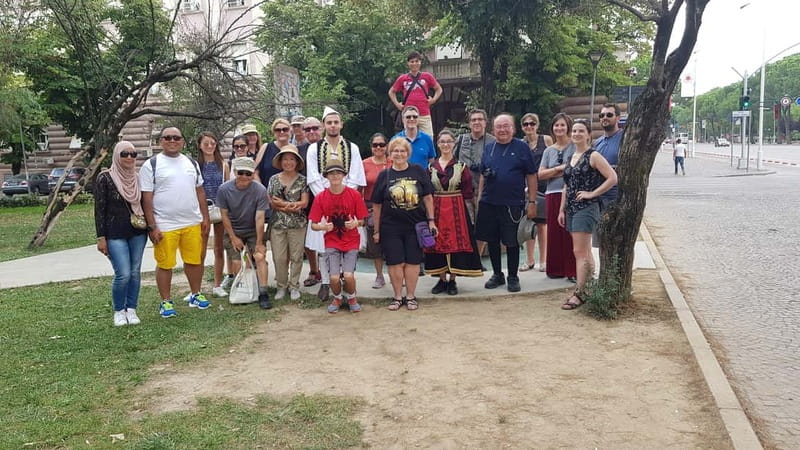
You’ll meet at the steps of the Opera House in central Tirana, where the tour team waits for you. This is a solid start point because it gets you oriented fast. You’re already in the part of town where the city feels modern and active, so the shift into smaller alleys and painted walls feels natural rather than random.
Once you’re with the guide, the tour doesn’t waste time. You’ll quickly learn how to look at what’s in front of you: murals aren’t just decoration, and graffiti isn’t only “art for art’s sake.” The guide helps you read the wall like a message board—sometimes political, sometimes personal, sometimes playful—often all in the same neighborhood.
If you’re curious about Tirana beyond the postcard basics, this is the right tone. I like that the focus stays practical: what to notice, what to ask, and how to connect the visuals to the city’s evolving identity.
You can also read our reviews of more tours and experiences in Tirana.
Skanderbeg Square: the 10-minute photo stop that sets the frame
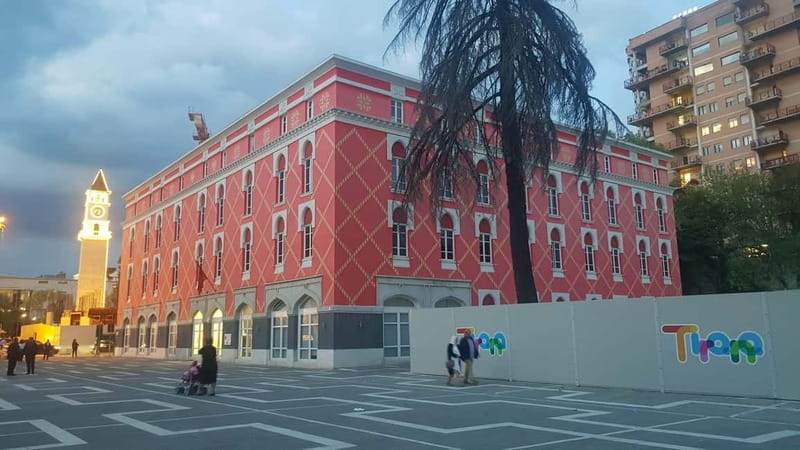
The itinerary includes a 10-minute guided stop at Skanderbeg Square with a photo moment. This brief pause matters more than you might think, because it gives you a reference point before you start wandering.
Skanderbeg Square works like the tour’s “map in your head.” After a short introduction, you’ll start spotting themes—how public space communicates ideas, how architecture signals change, and how street art can react to current life. Even if you’ve passed through the square before, the tour’s approach helps you look again with better questions.
The practical win here: you’ll leave the square with a mental checklist. Then, when you’re walking through quieter streets, you’ll know what to look for—symbols, repeating motifs, and shifts in style that often hint at different eras and attitudes.
Reading Tirana’s murals: symbolism, politics, and everyday emotion
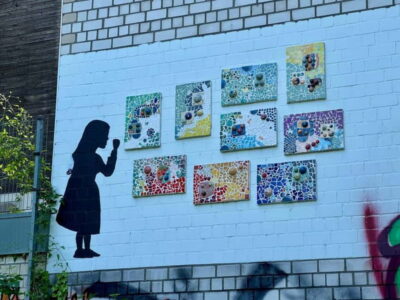
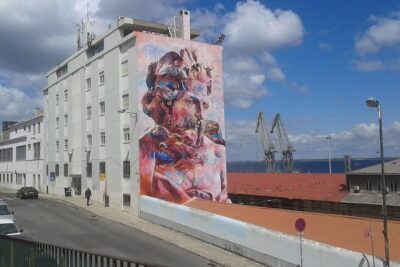
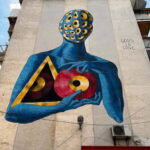
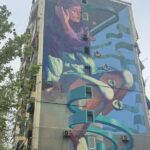
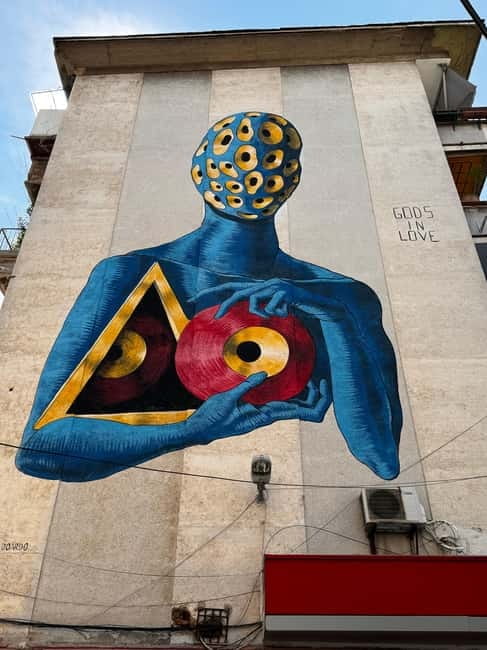
This is the heart of the experience: walking through neighborhoods and intricate alleys where murals and graffiti cover the walls. The guide points out artwork that ranges from powerful political statements to lighter illustrations tied to cultural heritage.
Here’s what you’ll get from having a local guide: you don’t just see the artwork—you understand the conversation it’s joining. Some pieces connect to Albania’s turbulent past, while others reflect contemporary social issues. You start recognizing patterns: when an image looks celebratory, it may still carry a message; when it looks raw or confrontational, it may be reacting to something happening right now.
In my opinion, the best tours make you a better observer afterward. This one does. One standout takeaway is how you begin to notice more details for the rest of your trip—people leave the tour scanning signs and corners, not just taking pictures. That’s the real value: you’re not just consuming art for two hours. You’re learning how Tirana talks.
A quick tip for your eyes
When you see a mural, don’t just look at the main figure. Look for the supporting elements—small symbols, colors that feel intentional, and any text or tags that might connect one wall to another. The guide’s explanations help you do that without needing art-school knowledge.
Modern architecture on the same walk as street art
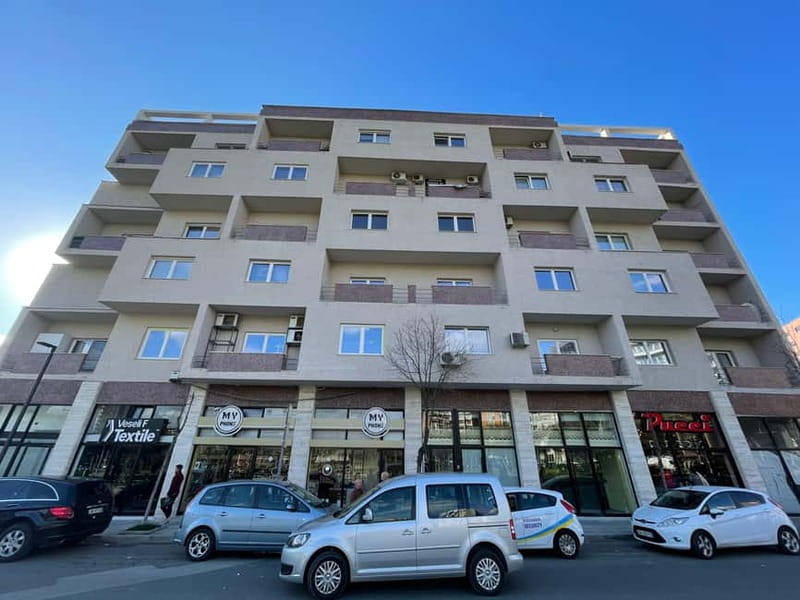
What makes this tour different from a pure street art route is the built-in architecture angle. As you move around, you’ll also see Tirana’s newest buildings and modern structures. The idea is simple: street art and architecture are both part of how a city expresses itself.
A guide can connect the dots in a way you can’t easily do on your own. You’ll learn how the city’s evolving look affects what artists paint, and how artists respond to what’s changing in the street. It’s a useful way to understand Tirana in 2025, not as a single “old vs. new” story, but as a place with overlapping layers.
I especially like that the tour aims for balance. One guide I heard praised the mix of street art and architecture, and that matches what you’ll feel on the ground: you’re not stuck only in one lane. You’re walking through a city where modern buildings and painted walls are neighbors, and the tour treats that as meaningful.
Hidden streets: where the good walls usually live
The tour includes time for side streets and tucked-away corners—places you might walk past without noticing if you were just sightseeing. That’s often where the most interesting artwork is: not the biggest walls on the main road, but the walls that show character in small doses.
This part of the route is also where the guide helps you slow down. Instead of rushing from photo spot to photo spot, you get guided moments that encourage you to interpret. The point isn’t to memorize an art history lecture. It’s to understand what you’re seeing and why it’s placed where it is.
One practical advantage: once you understand the visual language, you’ll start spotting details faster. Even on your own later, you’ll recognize recurring themes and styles—and you’ll know how to ask yourself better questions in the moment.
Photo strategy: how to capture street art and buildings without chaos
You’ll want your camera ready. The tour is built for snapping photos of Tirana’s artistic vibe, and it includes at least one explicit photo moment at Skanderbeg Square. But you’ll also get multiple chances while walking.
A small piece of advice that helps a lot: don’t try to photograph everything. Pick a few “anchors.” For example:
- One shot where street art is framed with nearby architecture
- One close-up that shows textures or small symbols
- One wider shot that shows the street context
If you do that, you’ll end up with a set that tells a story instead of a folder full of near-duplicates.
Also, wear shoes that can handle uneven sidewalks. The tour is just a walking experience, but Tirana’s streets can be a mix—some smooth, some not. Good footing means you can focus on framing rather than watching your step.
Price and value: $14 for a local guide lens
The price is $14 per person for a 2-hour experience with a live English guide. That’s not a “cheap” tour in the sense of being random or self-guided. You’re paying for a local perspective—someone who can explain symbolism, connect the art to Albania’s broader story, and help you notice details you’d otherwise overlook.
Is it worth it? For me, the easiest way to judge is this: if you want to get more out of the streets than pictures alone, the guide’s interpretation is the product. You’re paying for that translation layer.
There’s also a useful context point: the tour notes that while others may join on a donation basis, the typical contribution level is similar to what you pay. So you’re in the right ballpark for an organized, guided experience rather than a casual stop-and-go walk.
Who this tour is for (and who should skip it)
This experience fits best if you want:
- A guided way to understand Tirana’s street art meaning
- A balanced look at modern architecture alongside murals
- A short, focused outing that helps you see more on the rest of your trip
It’s also a good match if you like asking questions. The guide approach here is interactive in a way that helps you learn quickly—one person specifically praised how they could ask anything and get good answers.
You might hesitate if you’re someone who wants long, slow museum-style time at every wall. The route is only two hours, so you’ll get guided highlights, not exhaustive coverage of every street corner.
Accessibility and comfort: simple, practical expectations
The tour is listed as wheelchair accessible, which is a big plus if mobility is part of your planning. Still, do remember you’re walking in real streets with real sidewalks. Bring patience and wear comfortable shoes. Your goal is to move, stop, look, and keep moving again.
For your own comfort, dress for the weather and carry water. Street art looks best when you’re not rushing because you’re tired or thirsty.
Should you book this Tirana street art and modern architecture tour?
If you like cities that show their personality on the walls, you should book it. This tour is built around the idea that Tirana’s modern look and its street art are connected. The guide helps you read the city, not just photograph it.
I’d especially recommend it if you’re only in Tirana for a few days and want your first or second walking tour to change how you see everything afterward. After a good street art guide, you don’t just notice murals—you start noticing the messages behind them.
FAQ
How much does the Tirana Street Art & Modern Architecture Walking Tour cost?
It costs $14 per person.
How long is the tour?
The tour lasts 2 hours.
Where do we meet the guide?
The guides wait for you at the steps of the Opera House in the city center.
Is the tour offered in English?
Yes, the live tour guide speaks English.
Is the tour wheelchair accessible?
Yes, it is listed as wheelchair accessible.
What’s included in the tour?
A licensed local guide is included.
Can I get a refund if my plans change?
Yes, you can cancel up to 24 hours in advance for a full refund.