REVIEW · COLOGNE
Cologne: Street Art Walking Tour Belgian Quarter
Book on GetYourGuide →Run by Alternative Cologne Tours · Bookable on GetYourGuide
Street art can feel random until you learn the rules. This Cologne Belgian Quarter walk turns public walls into a live lesson, from murals and graffiti to the stories behind the artists. You’ll move through the young, creative streets around Friesenplatz with a guide who helps you read what you’re seeing instead of just snapping photos.
Two things I like a lot: you get the chance to spot work by named local and international artists like Sepe & Chazme (and others), and you’ll also learn how artists build pieces and use different techniques in public spaces. One thing to keep in mind: this tour is entirely outdoors, so dress for the weather and wear shoes that can handle lots of walking.
What also matters is how the tour helps you see Cologne differently. It’s not only about art on walls, it’s about how the city’s street art scene works—fast, changing, and sometimes temporary. I’d call it a smart way to spend two hours in Cologne if you want something authentic and slightly underground, without getting lost on your own.
In This Review
- Quick hits: Belgian Quarter street art in 2 hours
- Why Cologne’s Belgian Quarter feels like a street art classroom
- Finding your guide at Café Kaffeesaurus, Friesenplatz
- What you’ll see on the walls: murals, graffiti, and paintings
- The named artists you’ll learn to recognize
- How the guide explains techniques (so you can read the art)
- Off the beaten path: the point of going past the obvious sights
- Price and value: what $32 buys in two hours
- Language, pacing, and how to make the most of it
- Who should book this street art walk (and who might skip it)
- Should you book this Cologne street art walking tour?
- FAQ
- Where is the meeting point?
- How do I recognize the guide?
- How long is the street art walking tour?
- What language is the tour guide?
- Is the tour indoors or outdoors?
- What should I bring?
- Is the tour wheelchair accessible?
- How much does the tour cost?
- FAQ
- Can I cancel and get a full refund?
- Do I have to pay right away?
Quick hits: Belgian Quarter street art in 2 hours
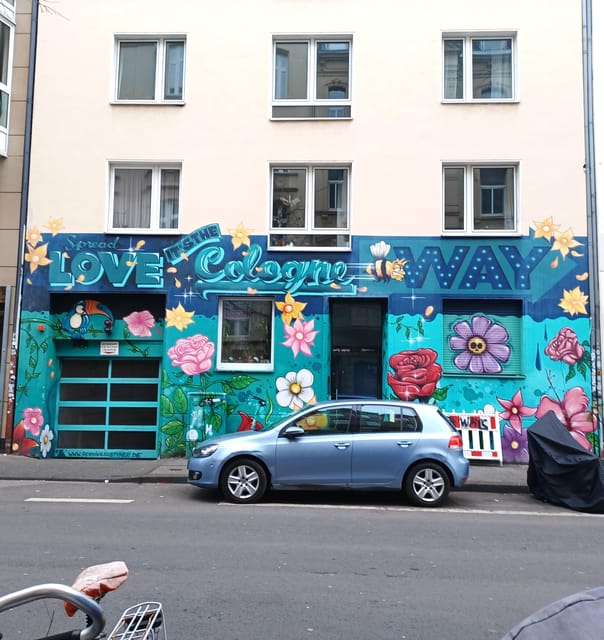
- Start at Friesenplatz outside Café Kaffeesaurus, with the guide in bright yellow vests.
- Spot street art on building facades as you walk, including works by Tika, Hendrik ECB Beikirch, Sepe & Chazme, and more.
- Learn techniques and tricks from the guide, so you can recognize styles instead of guessing.
- See named artists across local and international styles, including PEZ, Hero, Metraeda, PlanetSelfie, and Sei Leise.
- Expect change: some work is illegal street art and can disappear quickly.
Why Cologne’s Belgian Quarter feels like a street art classroom
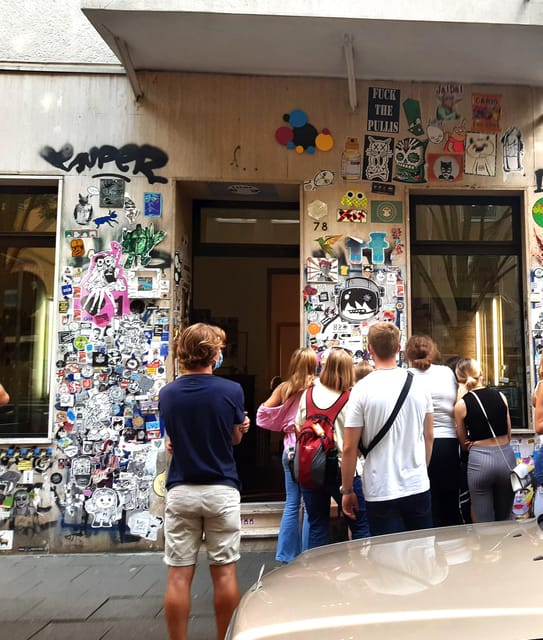
The Belgian Quarter has a reputation for creativity, and this tour uses that setting the right way: you’re not just looking at art, you’re learning how the scene thinks. Cologne’s street art doesn’t sit still. Even when you’re standing in the same spot, new pieces can appear and older ones can fade or be removed.
What I find especially useful is the focus on recognition. By the end of the walk, you should be able to distinguish the unique characteristics of different creators across the city. That changes how you enjoy street art afterward. Instead of seeing a wall as a single image, you start spotting recurring visual habits—composition choices, color behavior, letter style, and the overall “signature” that gives an artist away.
And yes, you’ll still get plenty of wow moments. The point is that you’ll understand the why behind the wow, which makes the photos better too. When you know what you’re looking for, you stop trying to frame everything and start choosing the best spots.
You can also read our reviews of more tours and experiences in Cologne.
Finding your guide at Café Kaffeesaurus, Friesenplatz
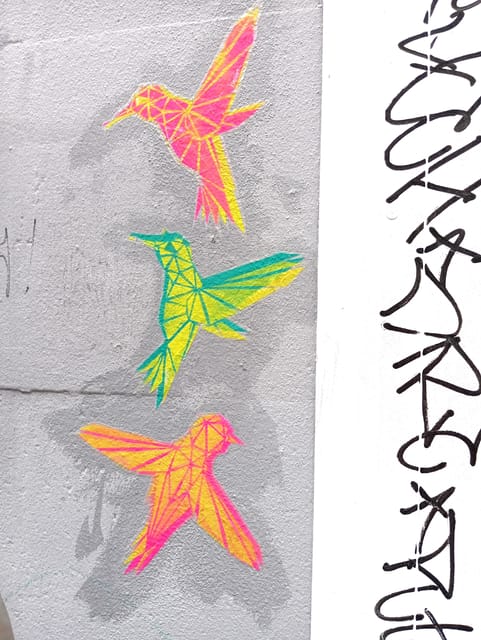
The tour starts at Friesenplatz in front of Café Kaffeesaurus. You’ll see your guide easily because they wear bright yellow vests, with Alternative Cologne Tours printed on the back. It sounds like a small detail, but it matters on a street tour. You want to meet fast and get moving while the group is still fresh and focused.
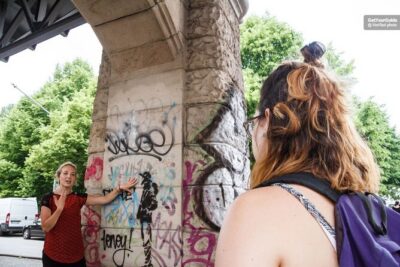
From there, you’ll head into the Belgian Quarter streets on foot. The pace is designed for spotting work on facades, not sprinting through landmarks. Expect to stop, look closely, and listen while the guide explains what’s going on.
If you’re the type who likes to get oriented before a walk, arrive a little early. Friesenplatz is a good starting point because it’s easy to orient to, and the meeting spot is clear. Then you can spend your energy on the art instead of performing a tiny city-navigation drama.
What you’ll see on the walls: murals, graffiti, and paintings
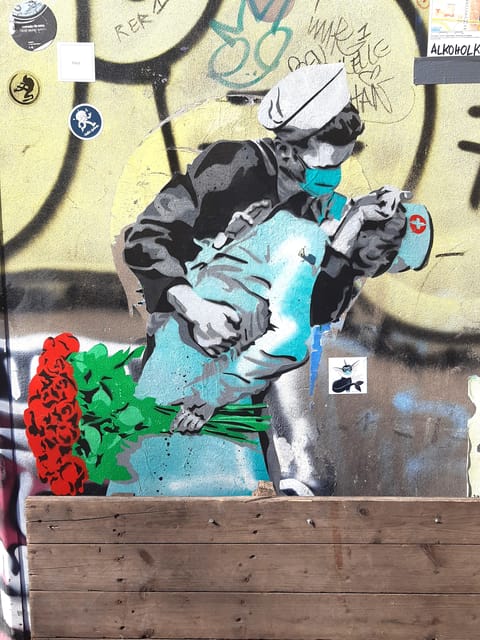
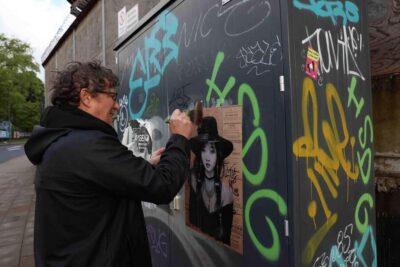
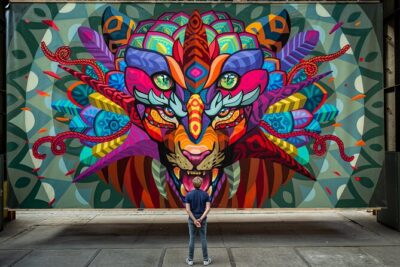
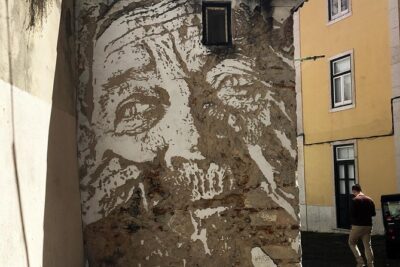
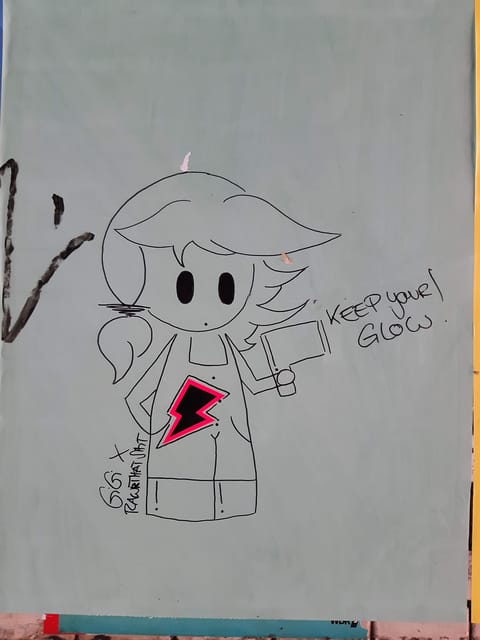
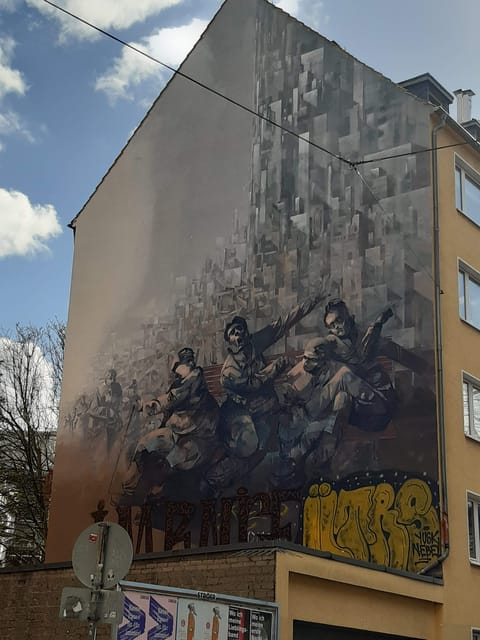
This is a face-to-building tour. As you walk, you’ll keep an eye out for the latest artwork on building facades—murals, graffiti, and paintings. The guide doesn’t treat street art like decoration. They treat it like a conversation between artists and the city, with each piece responding to the wall it’s placed on.
You can also expect a mix of styles from the names the tour highlights. The walk includes artwork by artists such as Tika, Hendrik ECB Beikirch, Sepe & Chazme, PEZ, Hero, Metraeda, PlanetSelfie, and Sei Leise. Seeing that many named artists in only two hours gives you a real sense of range.
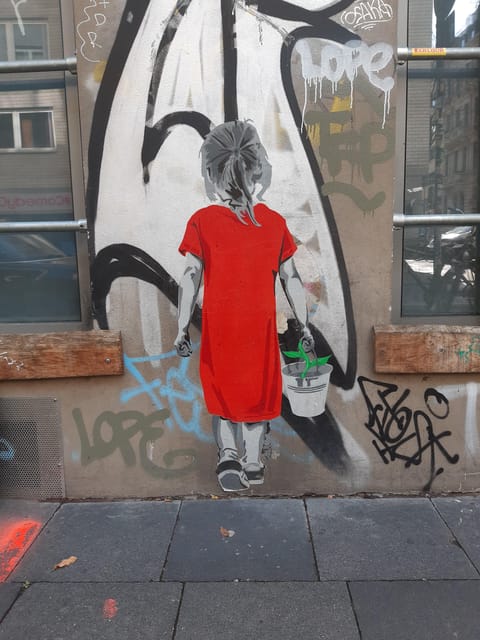
Here’s the practical value: street art is often easy to miss if you’re only scanning for big murals. Because your guide is pointing things out on the facades as you go, you learn how to spot the smaller, more specific work too—tags, stylized letters, and painterly pieces that might blend into their surroundings.
Also, some of the featured artists specialize in illegal street art. That changes the tone of the walk. You may catch pieces that feel already halfway gone. It’s not a guarantee, but it’s a real possibility—one reason street art tours can feel like time-sensitive scavenger hunts.
The named artists you’ll learn to recognize
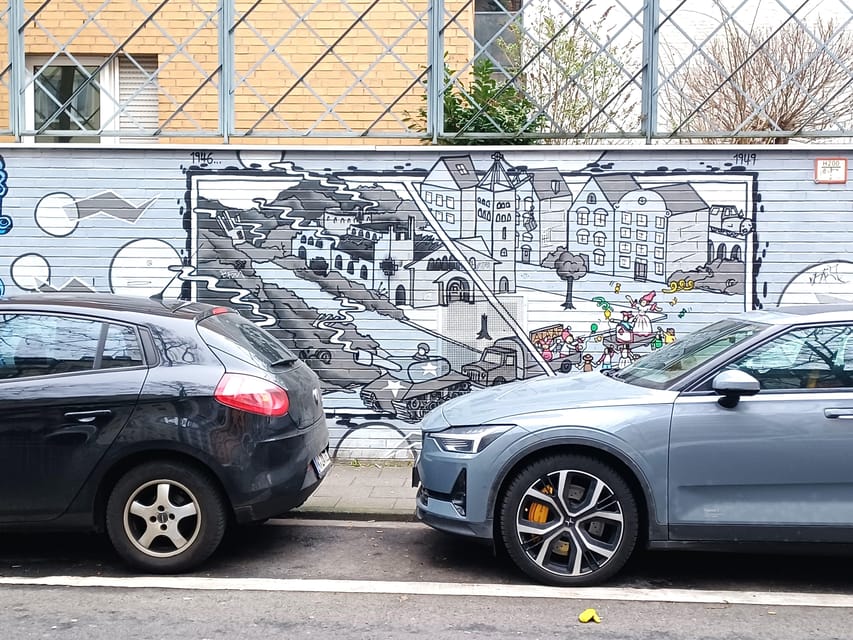
A street art tour is only as good as what you actually see, and this one gives you an artist “map” you can use afterward. I like that the names are specific, because it makes your memory stick.
You’ll encounter work connected to the tour’s featured artists, including Sepe & Chazme and also Chazme & Sepe. That pairing is useful because it hints at how collaborative identity can show up in public work. You’ll also see pieces tied to artists including PEZ, Hero, Metraeda, PlanetSelfie, and Sei Leise, plus local names such as Tika and Hendrik ECB Beikirch.
The guide’s job is to help you connect what you see with who made it—and then go one step further. Instead of only memorizing names, you’ll start noticing how creators tend to treat letterforms, color, and visual weight. The goal is that you can look across Cologne and identify patterns without needing a plaque next to every wall.
If you’ve ever looked at street art and felt like it was all the same, this portion is what fixes that. You come in seeing an image. You leave seeing a set of habits, tools, and choices.
How the guide explains techniques (so you can read the art)
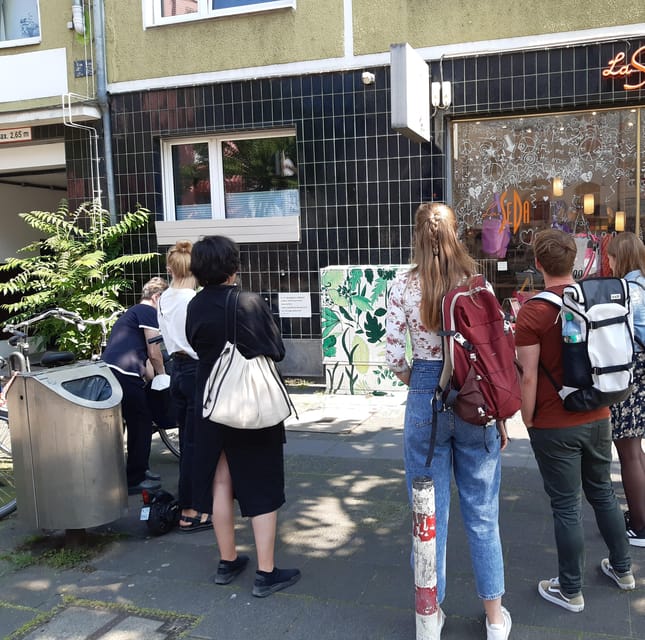
One of the best parts of this experience is the way the guide talks about technique. You’re not just told what a piece looks like; you’re told how it’s put together and what the artist is trying to achieve in a public setting.
Expect to hear about different techniques used to create street works. You’ll also get the guide’s insight into the tricks of the trade—how artists plan for walls, how they scale, and what makes a piece legible from a sidewalk view. Even if you’re not an artist, this kind of explanation makes you a better viewer.
Here’s why it matters: street art lives in context. A style that works in a sketchbook might behave differently on stucco, brick, or painted facades. Technique also affects how fast a piece can be made and how long it might last. The tour leans into that reality, especially with the mention that some artists work illegally and their pieces can be removed quickly.
So as you walk, you’ll start asking better questions:
- How does this artist use contrast to keep the piece readable at street level?
- What choices make the lettering or figures feel dynamic instead of flat?
- Is the piece trying to be loud, or is it playing with subtle details?
This is the kind of knowledge that sticks, and it turns the walk into a skill, not just a sightseeing stop.
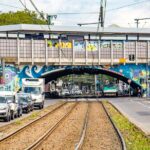
Off the beaten path: the point of going past the obvious sights
Cologne has plenty of classic tourist targets. But this tour stays in a different lane on purpose: the young, hip, creative district vibe of the Belgian Quarter. That means you’re spending your time where street art culture naturally fits.
You’ll walk through streets that feel more like a working neighborhood than a museum route. That makes the art feel more current. Instead of treating street art like a recovered artifact, you experience it as an active part of city life.
And because you’re outdoors and moving, the pacing encourages quick “reality checks.” You see how pieces interact with doors, windows, and foot traffic. A mural can look very different from across the street than it does close up. The guide’s stops help you adjust your distance and attention.
If you’re the kind of traveler who likes local culture in real settings, this is one of the better ways to do it without getting lost. The route is guided, but the experience still feels like wandering.
Price and value: what $32 buys in two hours
At $32 per person for a 2-hour walking tour, the value depends on what you want from your time. If you’re only chasing photos, you could probably spend less. But if you want the explanations—the artist technique talk and the named-artist context—this price starts to make sense.
Here’s the value logic I’d use:
- You get a live guide for the full two hours, not a quick pointer-and-go experience.
- You get help spotting street art on facades, including works tied to specific artists.
- You learn how to recognize styles and techniques, which upgrades how you’ll enjoy other street art later.
Also, the tour includes more than one kind of public work. You’re not restricted to one huge mural stop. You’ll be seeing a variety of styles across the Belgian Quarter, which keeps the experience from feeling repetitive.
If you’re visiting Cologne with limited time and want a cultural angle that isn’t only museums, this tour is a strong option for your schedule.
Language, pacing, and how to make the most of it
The tour guide language is German. That’s important to plan around. If your German is limited, you can still enjoy plenty of the visual part, but the technique explanations will land best if you follow the guide as they speak.
One practical tip: don’t try to translate everything in your head. Instead, focus on the guide’s visual cues—where they point, what they compare, and what they tell you to look for. Street art technique often becomes obvious once you see it broken into parts.
The tour is also designed for comfortable walking. You’ll be on your feet for the full duration, so bring comfortable shoes and wear weather-appropriate clothing. Because it’s entirely outside, your best strategy is simple: be ready for rain, wind, or sunshine.
Who should book this street art walk (and who might skip it)
This tour fits well if you:
- Want street art that comes with context, not just “here’s a mural.”
- Like walking tours where you learn recognition skills by the end.
- Enjoy city culture in neighborhoods like the Belgian Quarter, where creativity shows up on everyday buildings.
- Appreciate the realism that street art changes fast, including the possibility of illegal pieces disappearing.
You might choose something else if:
- You need a tour in English specifically.
- You hate walking or weather changes, since this is entirely outdoors.
- You only want major landmark stops rather than facades and street-level details.
Should you book this Cologne street art walking tour?
Yes, if your ideal Cologne day includes street-level creativity and learning how to see it. This Belgian Quarter walk gives you named artists, technique-focused guidance, and a route that helps you understand why public art looks the way it does.
Book it when you want value from your two hours: not just visuals, but also the skill of recognizing different creators and the techniques behind their work. If German is a challenge for you, you can still get a lot from the walk, but you’ll enjoy it more if you’re comfortable catching key points through the guide’s explanations and directions.
FAQ
Where is the meeting point?
You meet in front of Café Kaffeesaurus at Friesenplatz.
How do I recognize the guide?
The guide wears bright yellow vests, and the back is printed with Alternative Cologne Tours.
How long is the street art walking tour?
The duration is 2 hours.
What language is the tour guide?
The live tour guide speaks German.
Is the tour indoors or outdoors?
This tour takes place entirely outside.
What should I bring?
Bring weather-appropriate clothing and comfortable shoes.
Is the tour wheelchair accessible?
Yes, it is wheelchair accessible.
How much does the tour cost?
The price is $32 per person.
FAQ
Can I cancel and get a full refund?
Yes. You can cancel up to 24 hours in advance for a full refund.
Do I have to pay right away?
No. You can reserve now and pay later.