REVIEW · MUNICH
Munich: Street Art Bike Tour
Book on GetYourGuide →Run by Munich Walk Tours · Bookable on GetYourGuide
Graffiti and bikes go together in Munich. You get 1980s graffiti roots explained and see street art along the Isar up close, not from a bus window. The one catch: the tour is led in German, so plan for that if you’re not comfortable.
Meet your guide at the Tourist Information Office at Marienplatz, where they’ll be holding a yellow street art tour sign with red letters. Bikes are included, and at 210 minutes you’ll be doing more than a quick photo stop.
You’ll also ride beyond the postcard blocks to Giesing and then toward the slaughterhouse district, with a break on a boat near a railway bridge. It’s a great way to understand how Munich became a graffiti reference point in Germany in the 1980s.
In This Review
- Key highlights you should care about
- Marienplatz Start: Getting Oriented for Munich’s Street Art Side
- Why Munich’s Graffiti Story Started Here in the 1980s
- Riding the Isar River: Art Where Daily Life Actually Happens
- Giesing on a Bike: Working-Class Walls and Better Than Usual Views
- Slaughterhouse District + Boat Break at a Railway Bridge
- Old Masters, New Artists: How to Read Style Changes in Munich
- Pace, Bikes, and Practical Comfort Over 210 Minutes
- Price and Value: Is $40 Worth a Street Art Bike Tour?
- Who This Tour Fits Best (and Who Might Want Something Else)
- Should You Book This Munich Street Art Bike Tour?
- FAQ
- How long is the Munich Street Art Bike Tour?
- Where do I meet the guide?
- What’s included in the price?
- What language is the live tour guide?
- Is the tour suitable for children?
- Is it wheelchair accessible?
- What’s the policy on alcohol, drugs, and cancellation?
Key highlights you should care about
- Marienplatz start with a clear meeting sign, so you can find the group fast
- 210 minutes on two wheels, with enough time for real context, not just sightseeing
- Isar river section, where street art and city life sit side by side
- Giesing + slaughterhouse area, getting you off the usual tourist lanes
- Boat pause at a railway bridge, a calmer moment in the middle of the ride
- Old-school to new-school artists, including well-known names and up-and-coming work
Marienplatz Start: Getting Oriented for Munich’s Street Art Side
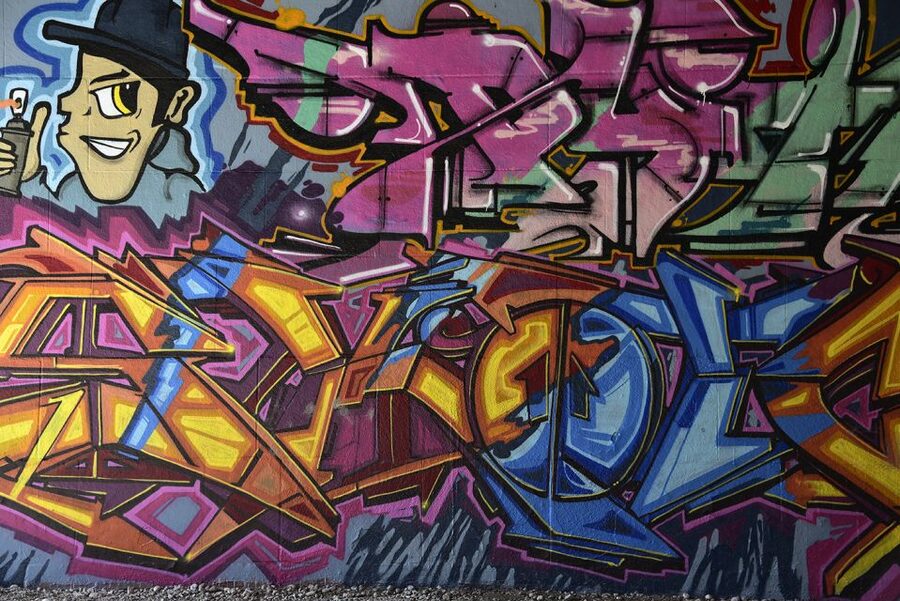
The tour starts right where you’d expect in Munich: Marienplatz. The practical win is the meeting point. Your guide is easy to spot, holding a yellow sign with red letters outside the Tourist Information Office. That matters on a bike tour, because you don’t want to waste the first 15 minutes hunting down the right group.
Once you meet up, you’ll be set up with a rental bike. Munich is good for cycling, but street art tours still have their own rhythm. This one is built around moving between spots in a way that lets you actually read the artwork and take in the setting.
Expect a mix of street-level art and stories—how the graffiti movement got started locally, why certain walls and corners became magnets for artists, and how the style evolved over time. If you like learning while you move, not just during a lecture, this format works.
You can also read our reviews of more tours and experiences in Munich.
Why Munich’s Graffiti Story Started Here in the 1980s
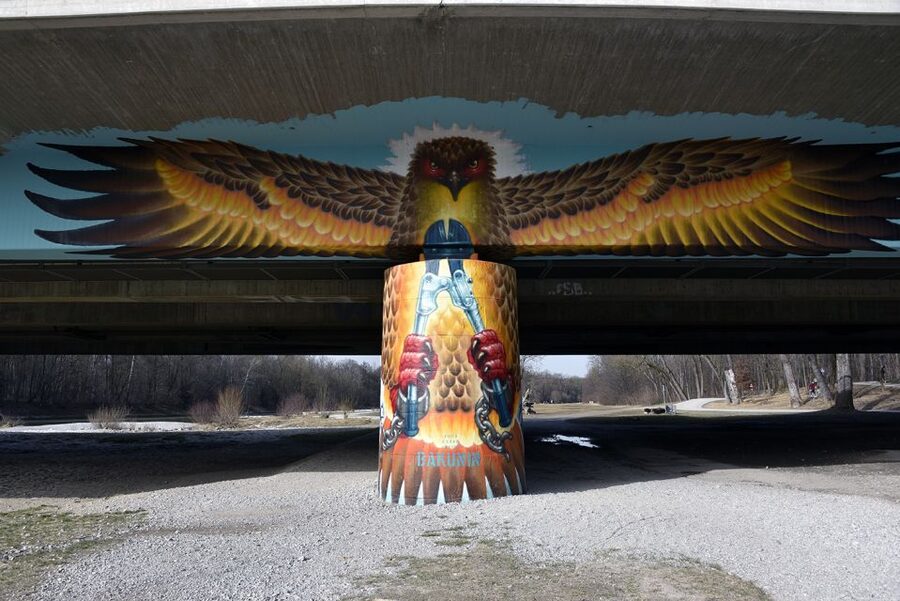
Even if Munich looks tidy and polished today, it wasn’t always that way. In the 1980s, Munich developed a graffiti scene strong enough to be considered a mecca alongside New York. That’s not trivia for trivia’s sake. It changes how you look at the walls.
On this tour, you’re not just spotting colors—you’re being guided to understand the history behind them. The idea is simple: you’ll see what graffiti helped create in Germany, how it spread, and why some artists became reference points. You’ll also pass older works made by the artists who shaped the culture, plus newer pieces from artists currently active in the scene.
That matters because street art changes with the city. A piece that looked rebellious in the 1980s can later become a familiar landmark. Knowing that history makes the tour feel less like walking past “cool art” and more like watching a living timeline.
Riding the Isar River: Art Where Daily Life Actually Happens
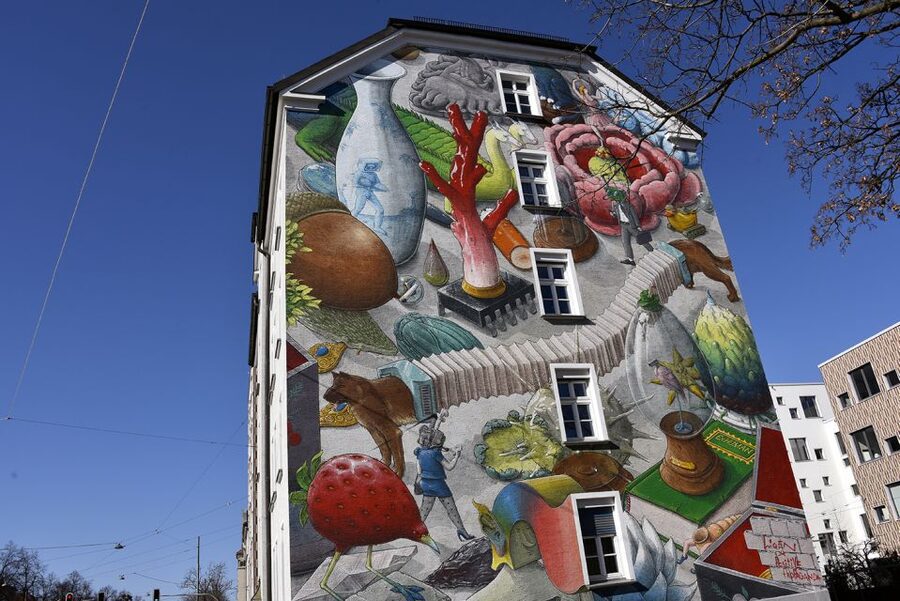
A big chunk of the experience happens along the Isar river. For me, that’s one of the smartest choices. Rivers bring a natural corridor through the city, and the Isar gives you that long, steady feeling as you pedal.
Here’s what you should watch for during this stretch:
- How the artwork sits in real sightlines—near paths, bridges, and places people pass every day
- How artists use color to push back against the plainness that can creep into urban planning
- The way the city’s mood shifts from block to block, while the street art stays part of the everyday scene
You’ll also be guided to look for details and learn facts about graffiti history as you go. This is where the tour feels like a guided experience instead of a self-guided photo mission.
If you’re the type who likes to understand why a place looks the way it does, the Isar section delivers. It’s not just a pretty ride; it’s a context ride.
Giesing on a Bike: Working-Class Walls and Better Than Usual Views
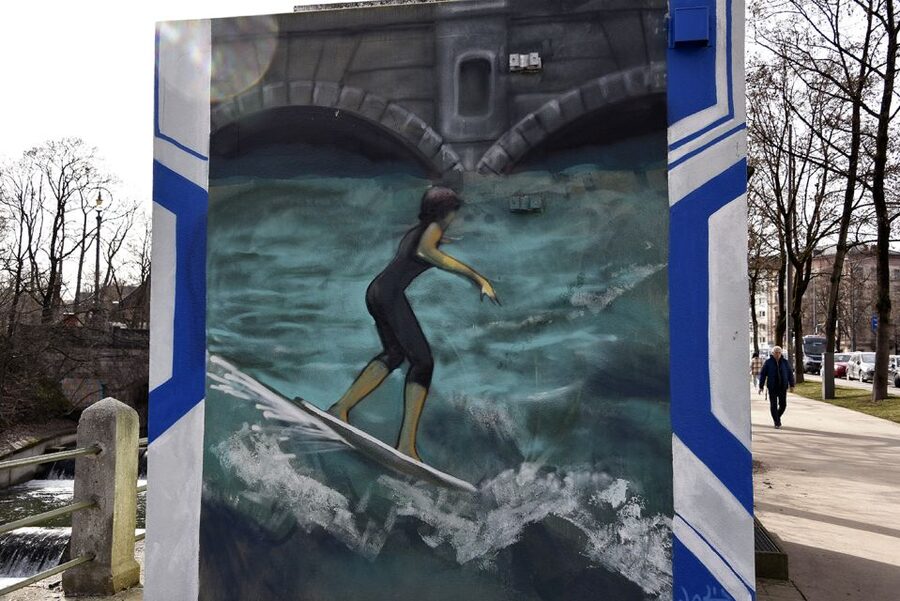
After the city-center rhythm, the tour heads toward Giesing, a former working-class neighborhood. This is where you feel the difference from the main tourist zones.
On the ground, you get the contrast: the kind of street art that grows where people live close to the walls. You’re not only seeing art; you’re seeing the relationship between art and neighborhood identity.
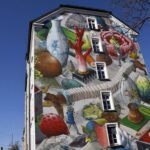
What I like about including Giesing is that it changes your expectation of what Munich’s street art can look like. Some pieces read like classic graffiti—letters, tags, layered color. Others feel more mural-like, where the message is designed to be seen as a whole, not just quickly read from a sidewalk.
The tour also includes some fun side facts from the guide. For example, you might hear about a vegetables/fruits mural, and also a specific note that an Aldi advertisement in the Weinbauernstraße area is said to be made using photocatalytic paint. That kind of detail is exactly why a guided tour beats a phone map.
And yes, you’ll get those “I didn’t think Munich looked like this” moments. The point isn’t shock. The point is perspective.
Slaughterhouse District + Boat Break at a Railway Bridge
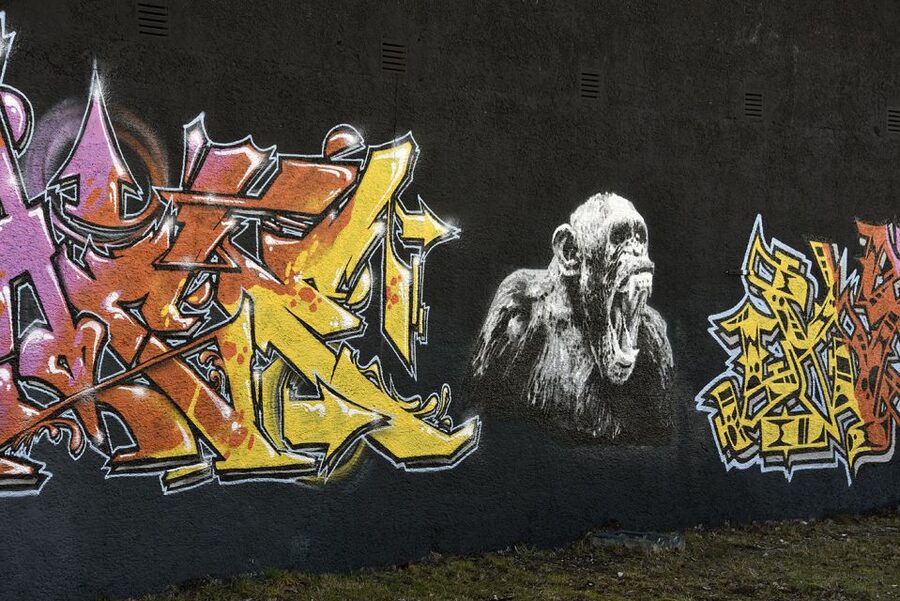
Then comes a less expected stretch: the ride toward the slaughterhouse district. The name alone sets the tone. This is not the part of Munich that’s usually in the top three for typical sightseeing lists.
What makes this section worthwhile is that street art often performs differently in areas tied to industry or history. You’ll see the walls and infrastructure as part of the story—how artists claim space, how color softens hard edges, and how the city’s older uses still show through.
One of the most memorable parts is the break on a boat at a railway bridge. A bike tour usually keeps you in motion, so the pause helps you reset. You get a different angle on the area, and you’re not constantly scanning for the next mural.
Use that boat break to do two things:
- Take in how the artwork sits relative to the river and surrounding buildings.
- Look back at the route you rode so the tour starts to feel like one connected arc, not a set of disconnected stops.
Old Masters, New Artists: How to Read Style Changes in Munich
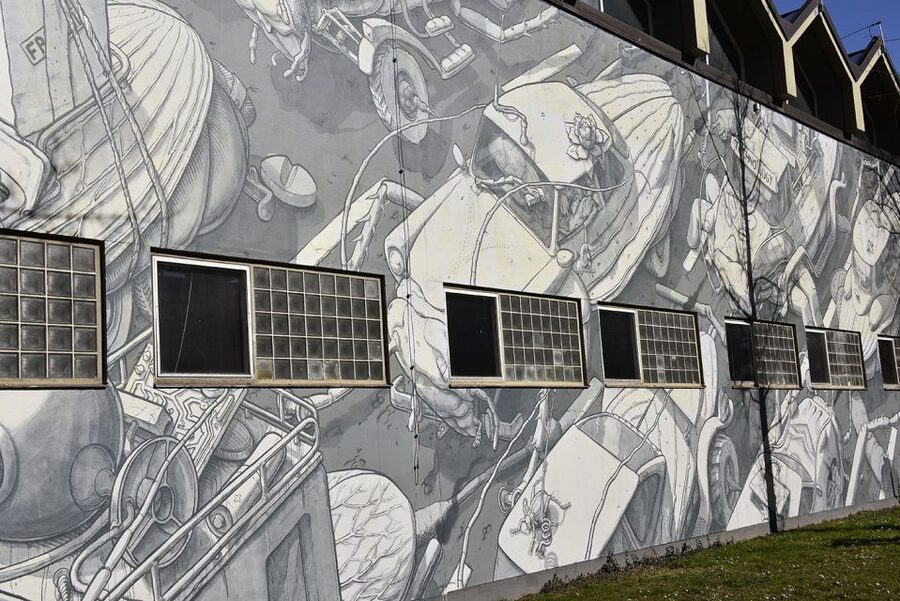
One of the tour’s clever ideas is that it doesn’t treat street art as one style. You’ll pass works from the older artists who shaped the graffiti culture in Germany, and you’ll also see pieces by newer street artists building on that foundation.
As you ride, try this simple approach:
- Look at the lettering first: does it feel more like classic graffiti tags, or more like mural lettering and composition?
- Then check the color layering: older styles often feel more about speed and layering; newer work may show more planning in overall layout.
- Finally, watch for how themes shift. Some pieces lean toward pure visual energy. Others include clearer references to local life.
This is also where the guide’s historical context helps. Graffiti didn’t just appear. It grew, adapted, and gained new roles. In Munich, it moved from fringe rebellion to a recognizable part of the city’s visual language.
Guides can make or break tours like this. In past experiences with this operator, the guide names that come up most are people like Ulrike, described as patient and friendly, with a lot of effort put into explaining details clearly—even for people who weren’t German-first. That’s the kind of guiding you want on a tour where the facts matter as much as the photos.
Pace, Bikes, and Practical Comfort Over 210 Minutes
210 minutes is long enough that comfort matters. This isn’t a 60-minute walk where you can power through sore legs. You’ll be riding and stopping, and the tour is designed to keep you engaged while you move.
Good news: the bikes are included, and they’re described as comfortable in real-world use. Still, here’s what you should plan for:
- Wear something you can pedal in comfortably.
- Bring water, since this is a long active segment.
- If you’re sensitive to time on a bike, pace yourself during stops. Don’t rush every mural shot.
Language is the other practical factor. The live tour guide is German. I’d treat this as a “German-forward” experience even if you’re trying your best with English. The payoff is that the guide’s storytelling is part of the point. If your German is basic, focus on body language and quick questions when you can.
Also, it’s not designed for kids under 10, and it’s not set up for wheelchair users. That’s about safety and movement rather than attitude.
Price and Value: Is $40 Worth a Street Art Bike Tour?
At $40 per person for 210 minutes, you’re paying for more than transportation. You’re paying for:
- A guide who connects street art to its history, not just visuals
- Bike rental included, which saves you from figuring out rentals and logistics on your own
- A route that takes you beyond the obvious sightseeing loop (Isar, Giesing, slaughterhouse district)
The best value here is the “context per minute.” A self-guided ride can be fun, but you’d miss the history of how graffiti took root in Munich in the 1980s, why certain areas became important, and how the scene connects older masters with today’s artists.
And if you care about community credibility, the overall rating is strong: 4.6 out of 5 from 66 reviews. That doesn’t guarantee you’ll love it, but it signals consistent satisfaction with the guide and the variety of stops.
One thing to consider: because the tour is in German, you’re getting the full value only if you’re comfortable enough to follow the story. If you prefer totally English-led tours, you’ll want to weigh that.
Who This Tour Fits Best (and Who Might Want Something Else)
This is best for you if you:
- Like street art and want the history behind it, not just the pictures
- Enjoy cycling in cities and don’t mind a longer active outing
- Want to see Munich from the edges—places like Giesing and the slaughterhouse district—rather than only central landmarks
- Appreciate moments like the boat break, when the tour slows down
It may not be your best match if you:
- Need a fully English tour (this one is German)
- Want a short, low-effort activity
- Are traveling with a child under 10 or you use a wheelchair
For couples, solo adults, and groups who want a shared story-driven route, it’s a solid fit.
Should You Book This Munich Street Art Bike Tour?
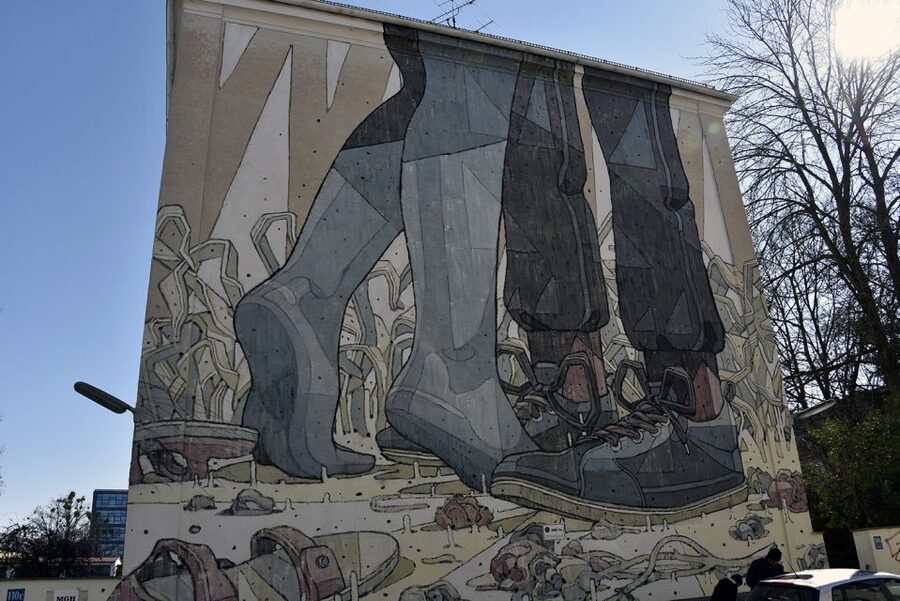
I think you should book it if you want Munich to feel less like a postcard and more like a real city with layers. The best part isn’t one single mural. It’s the way the tour connects 1980s graffiti origins, the river corridor on the Isar, the neighborhood shift to Giesing, and the more industrial-feeling approach toward the slaughterhouse district.
It’s also a good choice if you like being guided. The tour is built around facts, spot selection, and pacing over 210 minutes, and that guidance is what turns street art from background noise into something you actually understand.
If you’re unsure, the deciding factor is language and stamina. If German tours work for you and you’re ready to ride for a few hours, this is a strong value at $40.
FAQ
How long is the Munich Street Art Bike Tour?
The tour lasts 210 minutes.
Where do I meet the guide?
Meet your guide in front of the Tourist Information Office at Marienplatz. The guide will be holding a yellow street art tour sign with red letters.
What’s included in the price?
Your guide and a rental bike are included.
What language is the live tour guide?
The live tour guide speaks German.
Is the tour suitable for children?
It is not suitable for children under 10 years.
Is it wheelchair accessible?
No, it is not suitable for wheelchair users.
What’s the policy on alcohol, drugs, and cancellation?
Alcohol and drugs are not allowed. For cancellation, you can cancel up to 24 hours in advance for a full refund.