REVIEW · MENILMONTANT
Paris: Belleville Street Art Tour with an Artist
Book on GetYourGuide →Run by Street Art Tour Paris SASU · Bookable on GetYourGuide
Murals talk back in Belleville. This 135-minute street art tour gives you the Paris story you usually miss, led by an artist guide who can explain the work in plain language.
What I like most: you get an inside look at how Belleville became a street art hub, and you’re not just staring at walls—you’re learning how and why they changed.
Second, I really like the mix of art and views. Belleville is a hill, so you’ll get a panoramic look over the city instead of only walking street corners.
One drawback to plan for: the whole tour is outdoors, with hills and stairs. If you have back issues or mobility limits, this one can be tough.
In This Review
- Key highlights worth your time
- Belleville Street Art: The Paris Neighborhood Most People Miss
- How Belleville Became a Street Art Destination (Early 1980s to Now)
- Walking the Walls: What You’ll Actually Learn on the Streets
- Artists and Associations: The Real Engine Behind the Murals
- The Hilltop Payoff: Panoramic Views Over Paris
- Saturday Finale: Live Performance and Sometimes a Free Drink
- Price and Timing: Is $47 Worth It?
- Meeting at Aux Ours: Getting There Without Stress
- What to Bring (and What’s Not Allowed) for an Outdoor Street Tour
- Who This Tour Fits Best (and Who Should Skip It)
- Should you book this Belleville Street Art Tour?
- FAQ
- How long is the Belleville street art tour?
- What does the tour cost?
- Is the tour offered in English?
- Where is the meeting point?
- What’s included in the price?
- What happens at the end of the tour on Saturdays?
- Is video recording allowed during the tour?
- Is this tour suitable for people with back problems or mobility impairments?
Key highlights worth your time
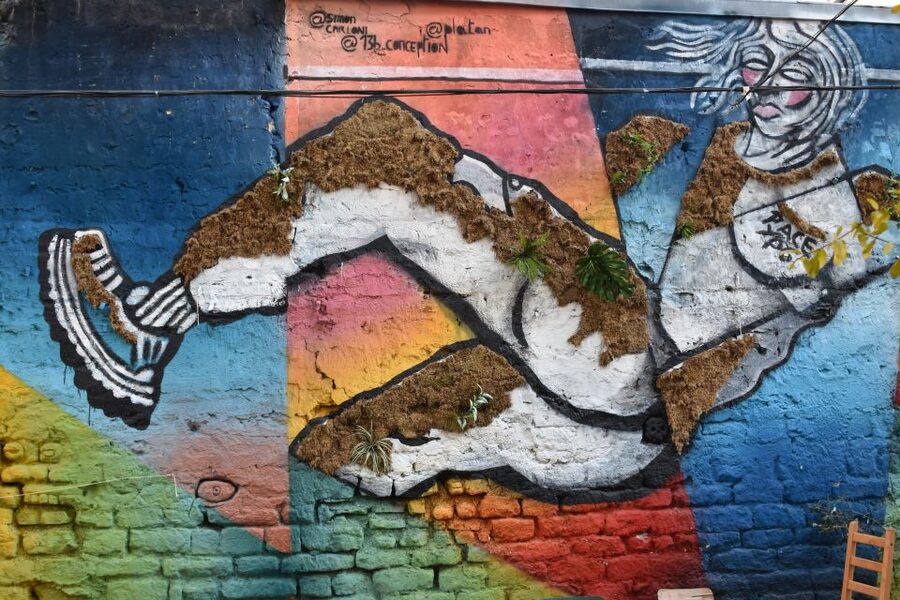
- Artist-led explanations that connect art to real life: the guide is a working street artist or close to the scene, so you get context, not trivia.
- Belleville’s street art origins since the early 1980s: learn how squats turned into studios, galleries, and community spaces.
- Famous artists you’ll be able to recognize by name: Nemo, Jérôme Mesnager, and Philippe Herard come up for a reason.
- Two views for the price of one walk: you’ll cover the neighborhood on foot and reach a hilltop perspective over Paris.
- Saturday finale with live performance: the tour ends with a performance, and sometimes a free drink when a new wall gets inaugurated.
Belleville Street Art: The Paris Neighborhood Most People Miss
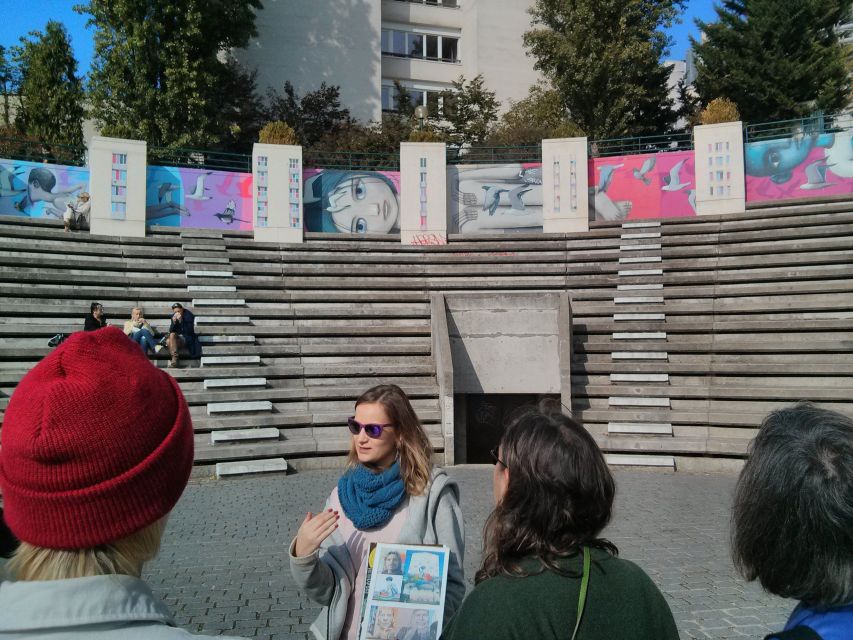
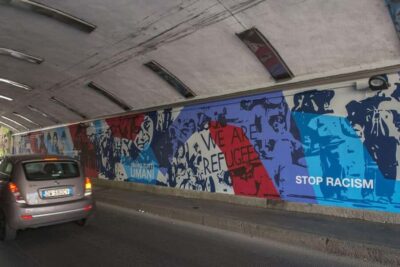
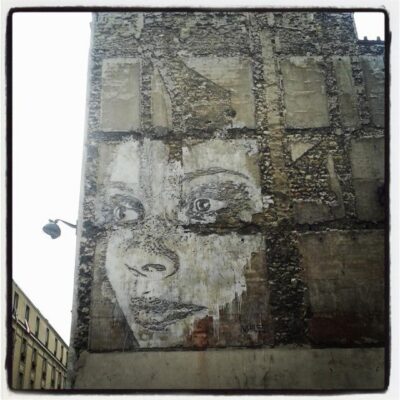
If your Paris plan is all museums and mega-squares, Belleville is the detour that makes the city feel human. This tour takes you into a part of Paris where the street art scene grew from need and community, not from tourism.
What makes it work is the guide’s angle. You’re not treated like an audience member. The tour is designed as a conversation: you’ll point things out, ask why a piece looks a certain way, and hear how local and international artists fit into the timeline.
Belleville also gives you a strong sense of place. It’s not just “cool graffiti.” It’s a neighborhood with a history that still shapes what you see on walls today. And because it’s on a hill (Belleville is the second largest hill in Paris), the walking has a payoff.
How Belleville Became a Street Art Destination (Early 1980s to Now)
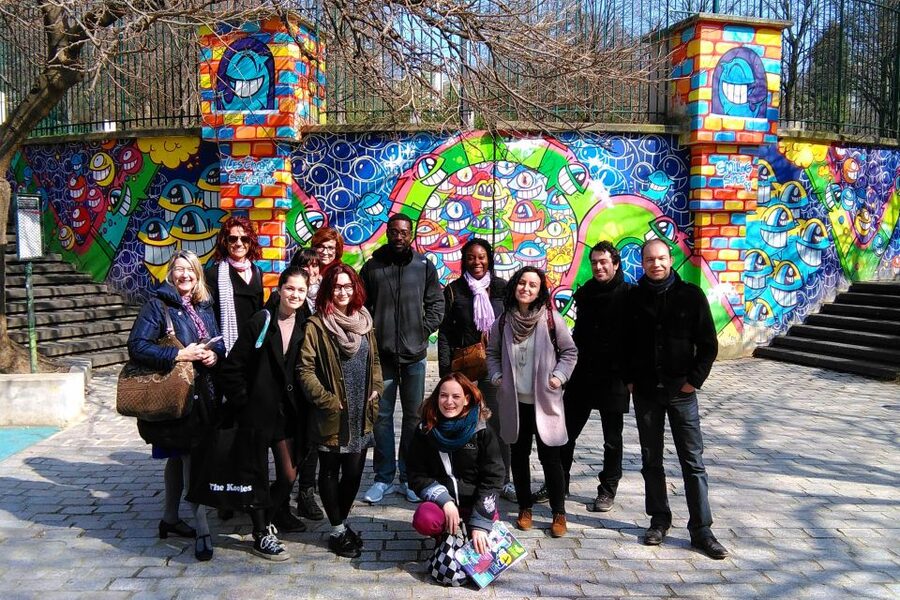
Belleville’s street art story starts with the early 1980s. Many poor artists moved into squats, and over time those squats evolved. The spaces became studios, art galleries, and informal community hubs.
That matters because it changes how you read the walls. Instead of thinking street art is random, you start to see it as an output of a specific social moment: people finding space to work, making art where they could, then building a network around it.
As you walk, your guide weaves in the neighborhood’s transformation into what it is now. You’ll also hear how community involvement kept it alive. The artistic network isn’t only about murals. There are connections to associations such as Art Azoi and Le M.U.R., which often bring international artists into the scene.
This is also why the tour is great even if you’re not a hardcore street art fan. You’ll start recognizing patterns—who’s active, what styles mean locally, and why certain walls are important.
Walking the Walls: What You’ll Actually Learn on the Streets
You cover Belleville on foot, with a pace that includes long standing and plenty of hillside walking. The guide uses what you’re seeing to teach street art history in a practical way.
Here’s what the “learning” looks like in real time:
- You learn how street art in Paris evolved, not just when famous pieces appeared.
- You get a framework for reading styles and techniques as part of the scene.
- You’re encouraged to share opinions as you look, which keeps the tour from becoming a one-way lecture.
- If you’re curious, the guide can point out what to watch for later in your trip, so the city keeps teaching you after the last stop.
A nice touch is the variety of voices behind the art. The tour references French artists including Nemo, Jérôme Mesnager, and Philippe Herard. Even if you don’t know their work beforehand, hearing the names tied to what you see helps your brain stick it in place.
And because some guides are street artists themselves (names you might encounter on different days include Stefan, Marie, Mikita, Myriam, Kasia, or Stephan), you often get first-hand stories about murals and how the scene works day to day.
Artists and Associations: The Real Engine Behind the Murals
If you want street art to make sense, you have to know the network behind it. This tour focuses on the community that keeps producing work—and on groups that connect artists across borders.
Two names you’ll hear often are:
- Art Azoi: an association tied to bringing artists and energy into the scene.
- Le M.U.R.: another key group linked to international artist participation.
Seeing these names matters because street art doesn’t grow in a vacuum. When associations organize events, support artists, and help create space for projects, you end up with more frequent new work—and a visible sense of ongoing dialogue between generations of artists.
You’ll also get the vibe that Belleville is not just walls on buildings. The neighborhood’s art community has links to activities beyond murals—things like poetry and even gardening. That broader culture is part of why the street art feels lived-in rather than painted for a photo.
By the time you reach the later part of the walk, you’ll likely notice recurring themes: the sense of identity, the shared visual language, and how the community keeps reinventing itself.
The Hilltop Payoff: Panoramic Views Over Paris
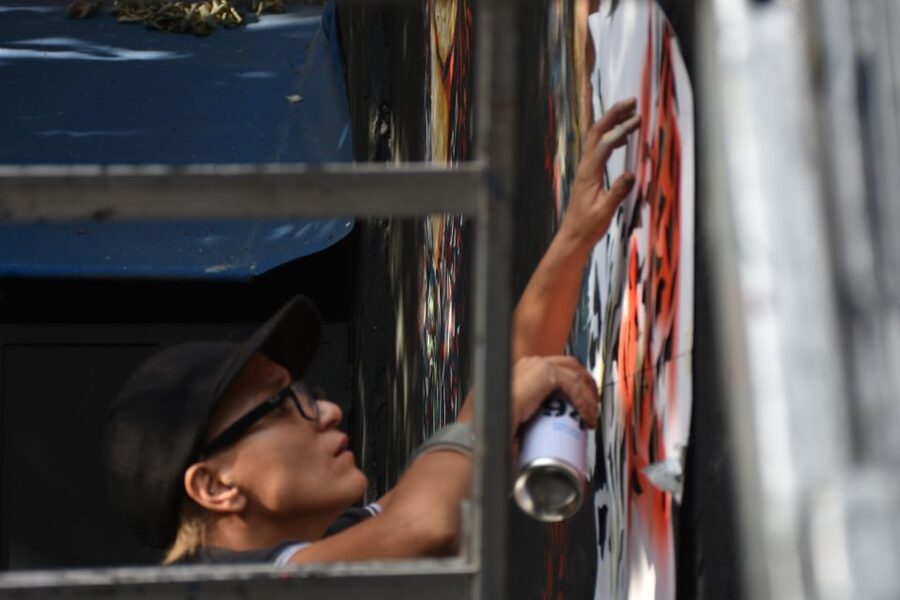
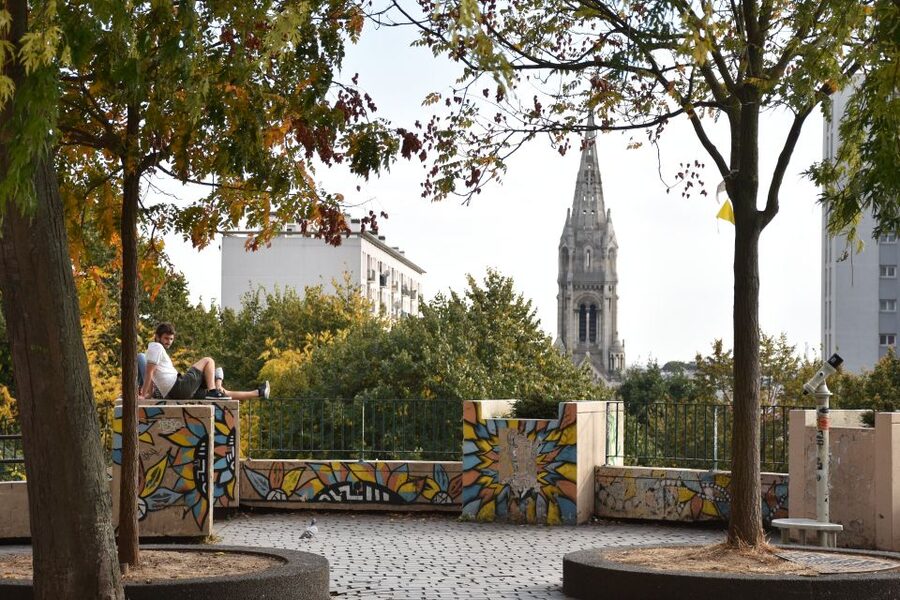
Street art is the main event, but Belleville’s hill gives you a second payoff: views. Since Belleville is the second largest hill in Paris, the walking routes include places where you can look out over the city.
This is the point where you stop being a pedestrian for a moment and become a lookout. You’ll connect what you just learned—how neighborhoods form and evolve—with the reality that Paris is stacked with layers of history, even in “ordinary” streets.
Practical note: this portion still means standing and walking. The view is worth it, but the route isn’t a stroll.
If you’re the type who likes to re-orient after a day of galleries, this stop helps you get bearings fast. The city looks different when you see it from an angle other than the Eiffel Tower postcard.
Saturday Finale: Live Performance and Sometimes a Free Drink
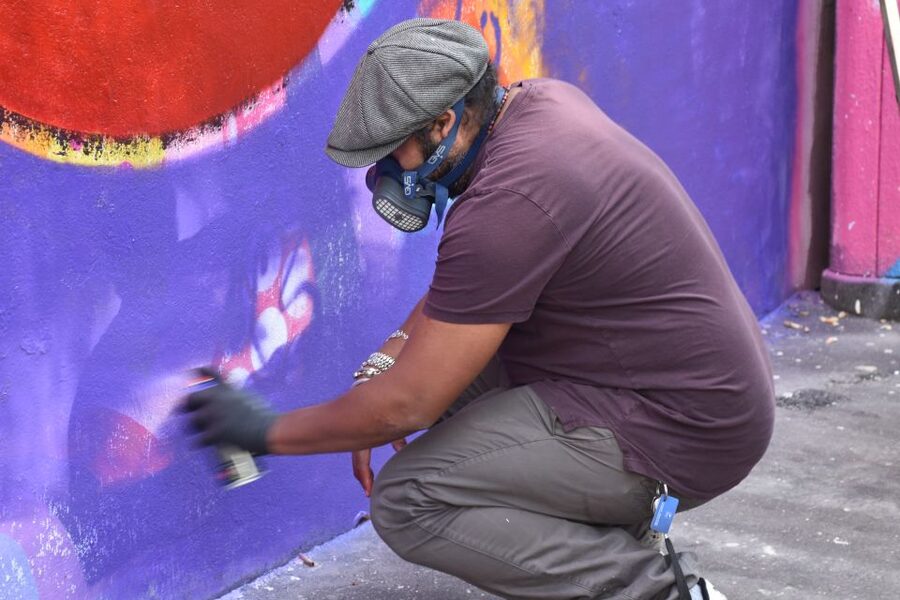
Every Saturday, the tour ends with a live performance. That’s part of what makes this experience feel tied to the neighborhood rather than detached like a museum visit.
On some Saturdays, the finale can also include a free drink to inaugurate a new wall in the area. Even if you skip the social part, the performance ending is a nice cue that the street art scene is still moving—still happening right now.
This matters for your planning. If you can choose your day, Saturday gives you more than street art history. You get an atmosphere shift: art on walls becomes art in the air.
Price and Timing: Is $47 Worth It?
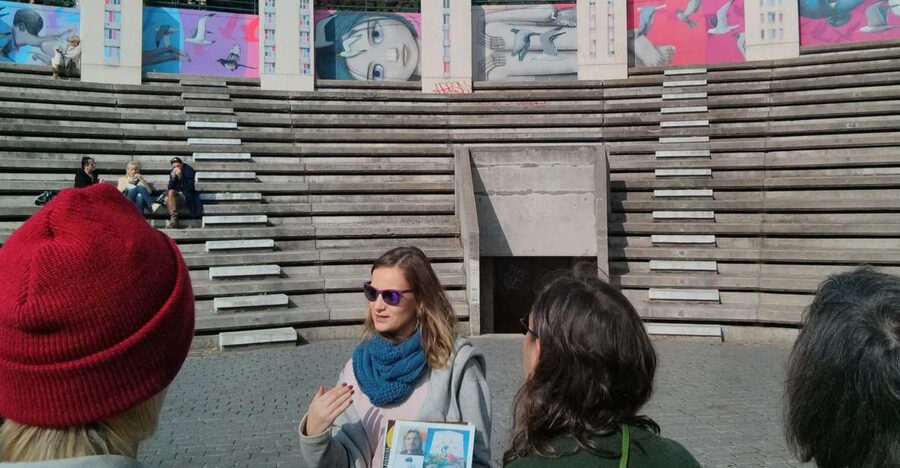
At $47 per person for a 135-minute guided tour, you’re paying for four things:
- A professional guide who has minimum experience in street art tours (at least 6 years of experience is stated).
- An artist-level perspective, including the chance you’ll be guided by someone who’s part of the scene.
- Time on foot in a neighborhood that’s less crowded than the big central hotspots.
- A Saturday live performance included in the experience.
What makes the price feel fair is that you’re not just buying access to street art. You’re buying interpretation. Street art can be confusing if you don’t know the references. Here, you’re given a map made of history, names, and community context.
If you’re traveling on a tight schedule, the 135 minutes is also a good length: long enough to learn and see meaningful walls, short enough to still fit in other Paris plans afterward.
Meeting at Aux Ours: Getting There Without Stress
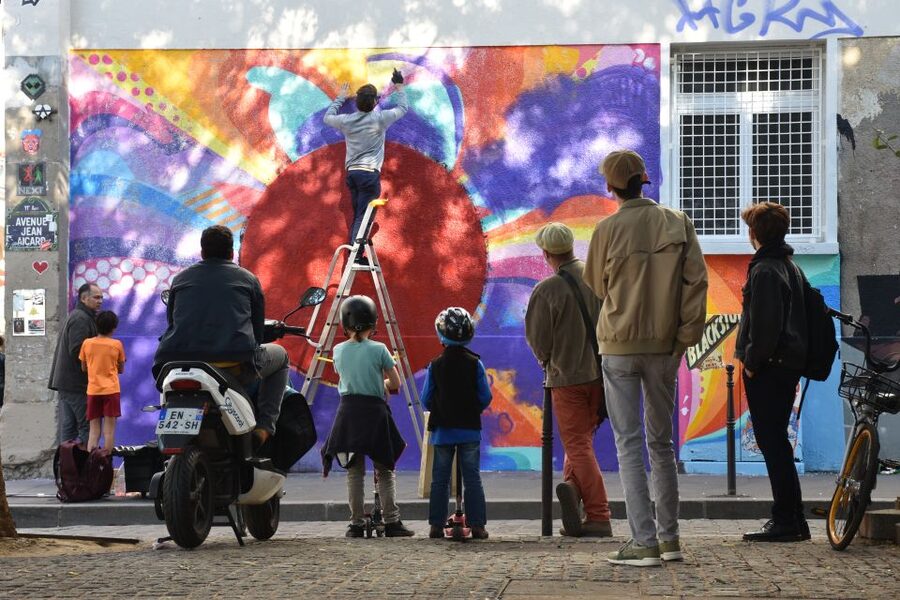
The meeting point is at the bottom of the stairs on the side of the restaurant Aux Ours, 62 Rue Villiers de l’Isle Adam. The tour starts on time, and you should show up at least 5 minutes early for check-in.
This matters in practice. Belleville streets can be busy, and the meeting spot is specifically described (bottom of stairs, side of the restaurant). Give yourself a little buffer so you’re not sprinting in last-minute panic.
Once the group assembles, the guide will set the tone quickly and start walking without long delays. If you’re the type who likes a clear start, you’ll appreciate that.
What to Bring (and What’s Not Allowed) for an Outdoor Street Tour
This tour is entirely outdoors and runs in all weather conditions. You’ll also do a moderate level of walking with hills, stairs, and long periods standing.
So bring:
- Passport or ID card
- Comfortable shoes (non-negotiable)
- Weather-appropriate clothing
Plan for comfort, not just fashion. If your shoes look great but hurt after 30 minutes, you’ll regret it here.
Two extra practical rules:
- Video recording is not allowed.
- If you have back problems or mobility impairments, this tour isn’t suitable, and wheelchair users should not plan on taking it.
In other words: treat this like a real neighborhood walk, not a casual stroll through a flat tourist district.
Who This Tour Fits Best (and Who Should Skip It)
This experience is a strong match for you if you want:
- Street art with context and history, not just pictures
- A local-feeling neighborhood (Belleville, not the typical center)
- A guide who can connect names, associations, and styles to what you see
It’s especially good for first-time street art learners. The tour gives you a framework, and then Paris keeps paying you back as you notice more on your own.
But skip it if:
- You struggle with back pain
- You need step-free or low-impact routes
- You can’t comfortably handle hills, stairs, and standing for an extended period
If that’s you, it’s not a moral judgment—just a timing and comfort mismatch.
Should you book this Belleville Street Art Tour?
I think you should book it if Belleville and street art feel like your kind of Paris. The combination of an experienced guide, artist-level perspective, recognizable names, and a Saturday performance ending makes it better value than a basic sightseeing walk.
You should also book it if you want Paris that feels lived-in. This is about a neighborhood that created its art community from real-world needs—then kept it going through associations and local culture.
Skip or reconsider if stairs, hills, and long outdoor standing will be an issue. The tour is worth it for the right body and the right mood: curious, ready to walk, and open to learning how the city’s walls became a voice.
FAQ
How long is the Belleville street art tour?
The tour lasts 135 minutes.
What does the tour cost?
It’s listed at $47 per person.
Is the tour offered in English?
Yes, the live tour guide speaks English.
Where is the meeting point?
Meet at the bottom of the stairs on the side of the restaurant Aux Ours at 62 Rue Villiers de l’Isle Adam.
What’s included in the price?
A professional guide is included, and there is a live performance every Saturday.
What happens at the end of the tour on Saturdays?
The tour finishes with a live performance. Sometimes there’s also a free drink to inaugurate a new wall.
Is video recording allowed during the tour?
No, video recording is not allowed.
Is this tour suitable for people with back problems or mobility impairments?
No. The tour isn’t suitable for people with back problems or mobility impairments, and it’s not suitable for wheelchair users.