REVIEW · VALENCIA
Valencia: Street Art Tour on Bicycle, E-Bike or E-Step
Book on GetYourGuide →Run by Pelican Bike · Bookable on GetYourGuide
Street art, but on two wheels. This 2-hour bike tour in El Carmen turns Valencia’s backstreets into a story you can ride through, with murals tied to real events and plenty of chances to stop for photos.
The main catch: it only makes sense if you can comfortably ride a bike, because the route runs through narrow lanes and city streets for the whole tour.
In This Review
- Key highlights at a glance
- Pelican Bikes and the Ride into El Carmen’s Backstreets
- The Great Flood of 1957: Art That Explains El Carmen’s Shift
- Narrow Lanes, Sunny Squares, and Why You Need Frequent Stops
- Murals Full of Meaning: Surreal Creatures and Hidden Tags
- Artists You’ll Hear About: Escif and the Valencian Banksy Label
- More Than Aesthetics: Politics, Protest, Feminism, Identity
- How the Guide Keeps It Moving (and Keeps Your Brain Awake)
- Bikes and Timing: 2 Hours That Work for a First Look
- Price and Value: Why $29 Makes Sense for This Format
- Who Should Book This Street Art Bike Tour in Valencia?
- Should You Book It?
- FAQ
- Where is the meeting point?
- How long is the street art tour?
- How much does it cost?
- What’s included in the tour?
- What languages is the live tour guide offered in?
- Is alcohol allowed during the tour?
- Is the tour suitable for everyone?
Key highlights at a glance
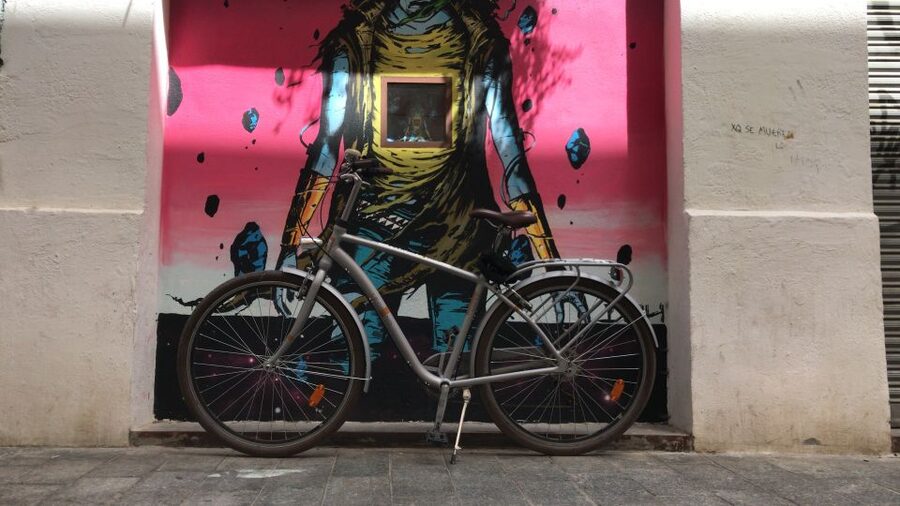
- El Carmen’s comeback explained through murals from the Great Flood of 1957
- Escif, often called the Valencian Banksy, plus other major local artists
- Frequent stops for photos, questions, and close-up looks at tiny hidden tags
- Street art themes that go past decoration into politics, feminism, identity, and protest
- A guide-led pace that helps you follow meanings, not just images
- City bike and a bottle of water included
Pelican Bikes and the Ride into El Carmen’s Backstreets
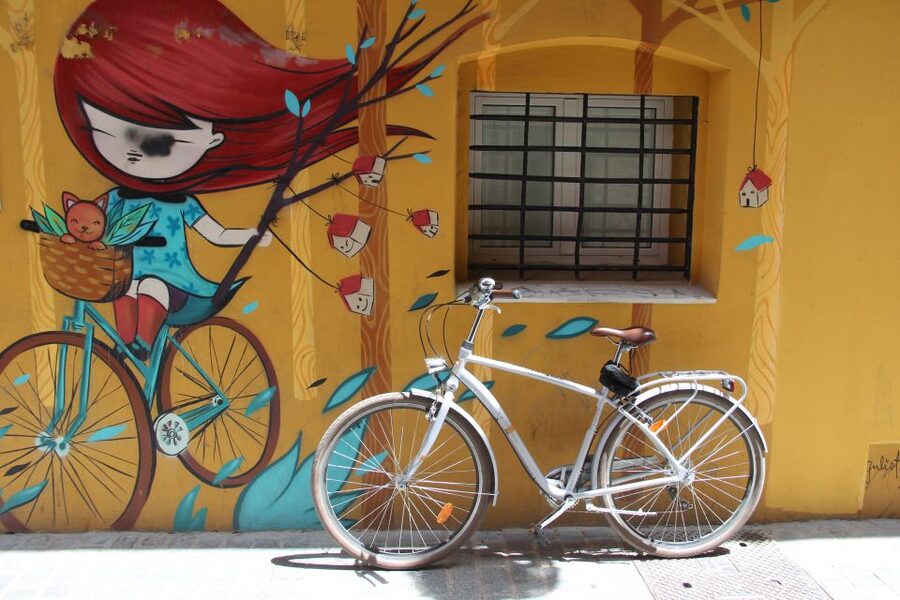
You start at the Pelican bikes shop, then roll into El Carmen, Valencia’s most art-forward district. Even before you get to the first wall, you’ll feel the neighborhood shift—more alley texture, more doorways, more places where street art can live without asking permission.
I like that this tour stays practical. You’re on a bike, so you cover ground fast, but the focus is still on stopping often enough to actually read what’s on the walls. You get a city bike, and there’s a bottle of water waiting for you so you’re not scrambling halfway through.
If you’re expecting a quick photo-and-go loop, this isn’t that. The guide expects you to slow down mentally. You’ll learn what to look for: symbols, slogans, the way a tag hides in plain sight, and why the same wall can feel different depending on the story behind it.
You can also read our reviews of more tours and experiences in Valencia.
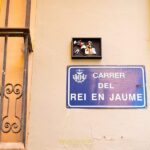
The Great Flood of 1957: Art That Explains El Carmen’s Shift
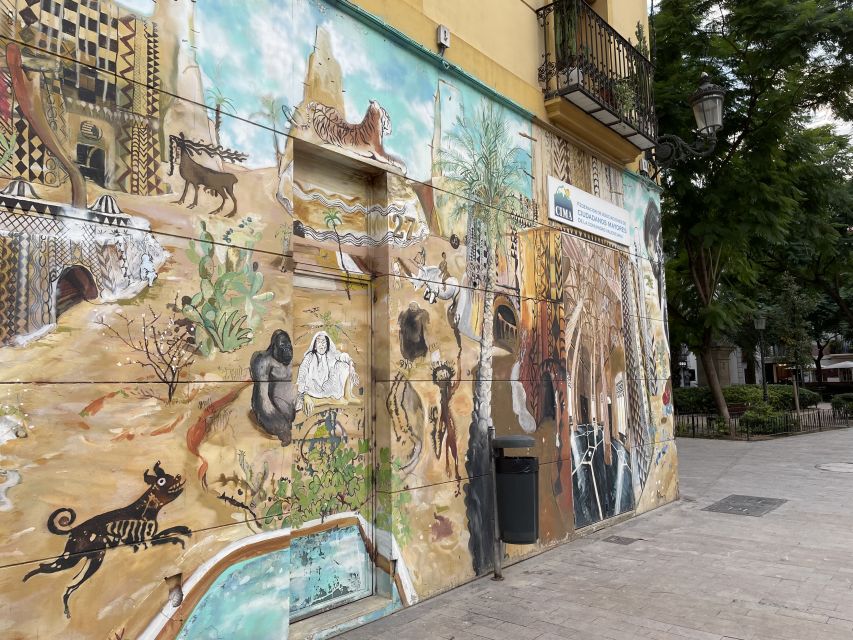
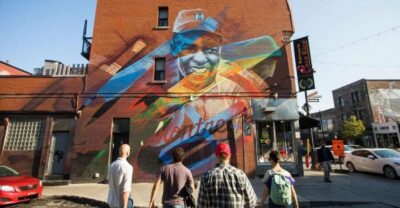
The tour opens by pointing you toward murals connected to the Great Flood of 1957, an event that helped shape El Carmen’s future. After the flood, many buildings were left damaged or empty. With lower rents, young artists had more space to move in—and that’s how a forgotten corner turned into an open-air gallery.
This matters because street art here isn’t treated like random decoration. It’s treated like a record. When you see a wall that’s survived, been repainted, or reinterpreted, you can understand it as a long conversation between the neighborhood and the city around it.
One nice thing: you’re not just told the story in one lecture. You’re shown it on the move—then you ride through the areas where that creative “new start” took root. That makes the history feel connected to place instead of a separate lesson you forget five minutes later.
Narrow Lanes, Sunny Squares, and Why You Need Frequent Stops
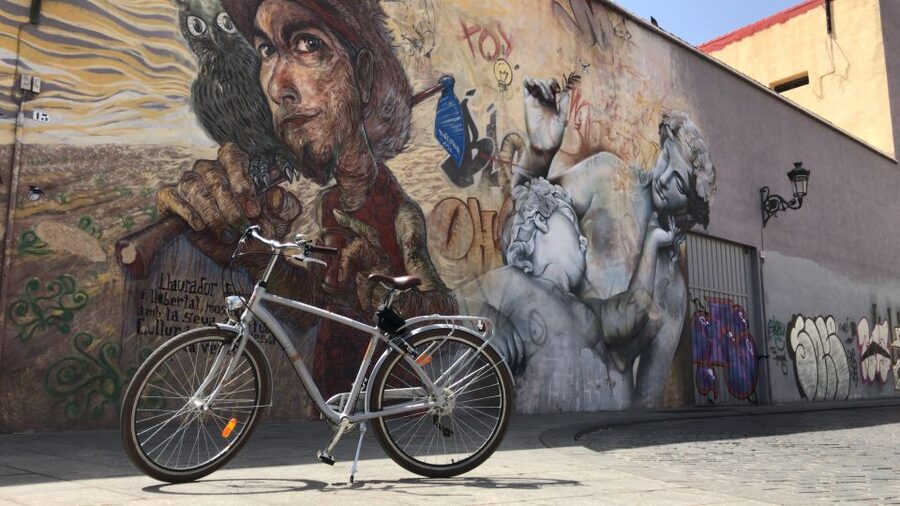
El Carmen’s streets are the whole point. Expect narrow alleys and sunny squares, the kind of streets where a mural can look enormous one minute and vanish into a doorway the next. The tour is designed for this. You’ll get plenty of stops so you can actually take in details instead of speeding past them.
There’s also a useful rhythm to how the guide works these stops. You’ll pause, listen, take photos, and then ride on to the next wall. The result is that you leave with more than images—you leave with context for what you saw.
A word of caution: because you’re biking and stopping repeatedly, the tour doesn’t feel like a slow museum stroll. It works best if you’re comfortable with city riding and quick transitions between “roll” and “stop and look.”
Murals Full of Meaning: Surreal Creatures and Hidden Tags
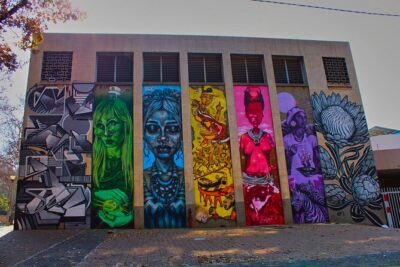
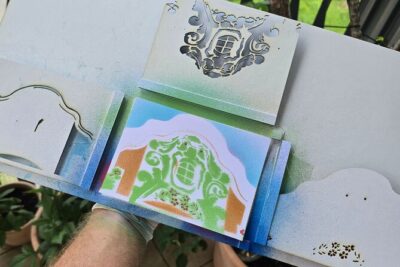
You’ll see the full range of street art styles here, from big, surreal creatures on large walls to tiny hidden works tucked into spots like doorways. The small stuff is where the tour earns its keep. It teaches you to notice the things you’d normally miss while walking through the same area.
What I like about this approach is that it trains your eyes for street-level storytelling. A mural isn’t only about who painted it. It’s also about where it was placed, what it’s responding to, and what it’s trying to say to the people passing by every day.
And because street art changes, this tour has an element of uncertainty—in the good way. You might catch works you didn’t expect, and the guide can explain what’s new or what’s been evolving. That’s part of the fun, not a drawback.
Artists You’ll Hear About: Escif and the Valencian Banksy Label
One of the names you’ll hear a lot is Escif, often described as the Valencian Banksy. That nickname isn’t just branding. It points to a style that blends social commentary with clever visual punch, the kind of art that wants you to think before you scroll past.
You’ll also learn about other artists tied to the district’s creative culture, including David de Limón, Julieta XLF, Arqui Costura, Deih, and Hyuro. Each name comes with a different kind of message, and the guide connects those messages to what you’re seeing in front of you.
If you’re the type who gets bored when a tour only shows you the same “pretty wall” angle, this part helps. Instead of treating murals like an art gallery checklist, the guide treats them like a set of conversations with Valencia itself.
More Than Aesthetics: Politics, Protest, Feminism, Identity
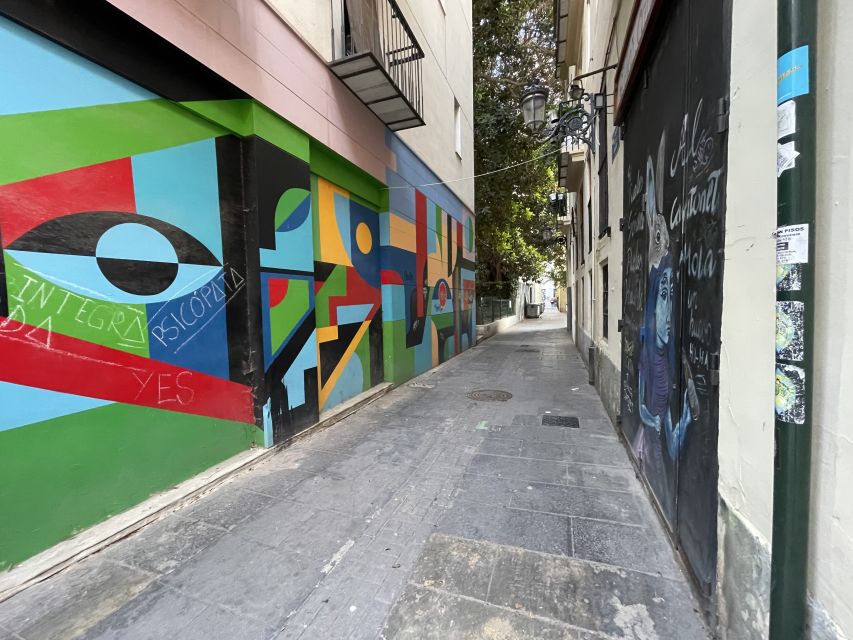
This tour doesn’t sugarcoat why street art exists. You’ll encounter themes like politics, protests and symbols, plus feminism, identity, and everyday life. That mix is exactly why El Carmen’s walls feel alive. They aren’t only about fantasy or decoration. They’re about people arguing, joking, coping, and demanding attention.
That doesn’t mean you need to agree with everything. It just means you’ll see how public space becomes a platform. When you understand that, the murals stop being random and start feeling purposeful.
One practical consideration: if you’re sensitive to political content, skim the tour’s focus in your mind and decide if that’s your vibe today. The art here is honest, and the guide gives context for that honesty.
How the Guide Keeps It Moving (and Keeps Your Brain Awake)
A big part of why this tour earns such high marks is how the guide leads the experience. People talk about enthusiastic guides who don’t stop at art facts—they add history of Valencia, too, and they keep you engaged instead of turning the bike ride into a lecture.
You may notice an interactive style: there can be moments where the guide asks the group questions, sometimes even in teams. It’s a clever way to push you to look harder at what’s in front of you, especially if you’re traveling with kids or teens who need a little mental activity to stay interested.
If you book a private group, the tour can feel even more tailored. One review described a small group size—ideal for conversation—and private tours also tend to let the guide adjust pace and attention to the people in front of them.
Bikes and Timing: 2 Hours That Work for a First Look
The tour lasts 2 hours, which is a sweet spot for a neighborhood that you’ll probably want to revisit later. It’s long enough to see multiple styles, learn the flood-and-rebirth story, and understand why certain symbols show up again and again. It’s short enough that you’re not trapped in the same streets all day.
The activity is offered with options like bicycle, e-bike, or e-step, depending on what you choose. What stays consistent is the focus: street art on a guided route through El Carmen, with frequent photo stops and interpretive stories.
This is also a good plan for your first time in Valencia’s street-art orbit. Even if you’re not sure what you’ll like yet, the guide sets you up with a way to read the walls so later on you can keep exploring on your own.
Price and Value: Why $29 Makes Sense for This Format
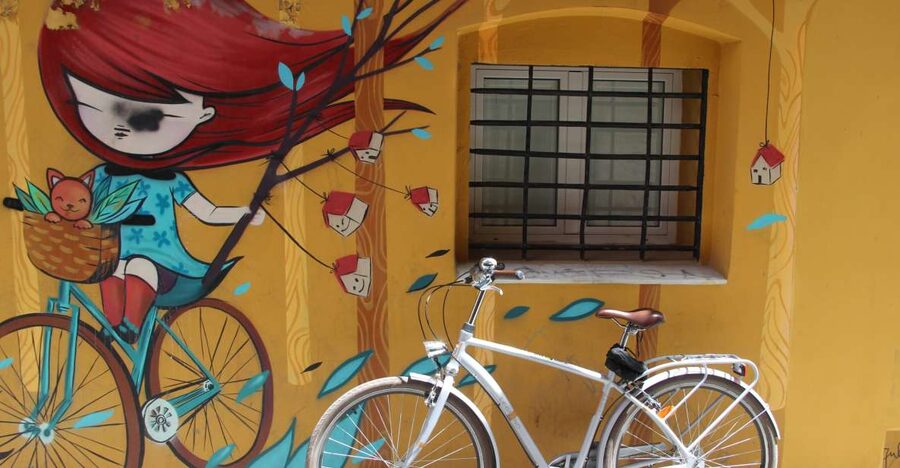
At $29 per person for 2 hours, you’re paying for a guided experience that’s doing three things at once: transportation through El Carmen, interpretation of the art, and time to stop and look closely. Street art tours that are only walking often cost similar once you factor in guide time, but this one adds the advantage of bike coverage and faster movement between walls.
Also, you’re not arriving empty-handed. City bike + water are included, which helps keep the experience smooth. And since the tour is focused on storytelling and context (not just spotting murals), it’s not the kind of activity where you feel like you’re paying only for “being shown art.”
If you want a cheap thrill, this might feel like too much. If you want an actual lens on Valencia’s neighborhood culture, it’s strong value.
Who Should Book This Street Art Bike Tour in Valencia?
Book it if you want Valencia through the street-level lens: murals tied to events like the 1957 flood, art that carries political and social meaning, and a guide who helps you decode symbols instead of just pointing them out.
It’s especially good for:
- People who like to walk-and-photo but also prefer covering distance by bike
- Anyone curious about how artists like Escif and others shape a neighborhood identity
- Families with kids or teens who do better when the guide keeps them answering questions and thinking on the move
- Travelers who want a local-feeling story rather than only postcard sights
It’s not the best match if you can’t ride a bike. And if you’re looking for quiet, non-argumentative art with no politics or protest themes, you may find the tone a bit direct.
Should You Book It?
Yes, if you want a guided way to read El Carmen’s walls and you’ll enjoy learning the stories behind the images. The Great Flood of 1957 connection, the focus on major artists like Escif, and the way the tour mixes big murals with tiny hidden details make it feel more than sightseeing.
I’d skip it only if bike riding is a hard no, or if you’re determined to keep your vacation strictly free of political context. Otherwise, this is a smart, value-priced way to see Valencia’s street art as a living neighborhood voice—not just a collection of walls.
FAQ
Where is the meeting point?
The tour meets at the Pelican bikes shop.
How long is the street art tour?
It lasts 2 hours.
How much does it cost?
The price is $29 per person.
What’s included in the tour?
You get a city bike and a bottle of water.
What languages is the live tour guide offered in?
The guide is available in Italian, German, English, and Spanish.
Is alcohol allowed during the tour?
No. Alcohol and drugs are not allowed.
Is the tour suitable for everyone?
It’s not suitable for people who can’t ride a bike.