REVIEW · LONDON
ADVANCED GRAFFITI STREET ART TOUR / SHOREDITCH / EAST LONDON
Book on GetYourGuide →Run by Jam Graffiti Tours · Bookable on GetYourGuide
Street art is a secret language in Shoreditch. This Advanced Graffiti Street Art Tour uses Banksy context and plain-English storytelling to turn East London walls into something you can actually read, not just photograph.
I especially like the way the guide, James from Jam Graffiti Tours, explains graffiti codes and artistic choices, so you notice details on your own after the tour. You’ll also get an unusually structured look at the scene, including the Team Robbo vs Banksy conflict and how styles connect to class, politics, gentrification, and social media. One consideration: the tour is not suitable for wheelchair users.
In This Review
- Why This Shoreditch Tour Feels Different Than Casual Wall-Spotting
- The 2.5-Hour Flow: What You’ll Do From Start to Finish
- Shoreditch Basics: Learn the Codes Before You Trust Your Eye
- Banksy Stops in East London: More Than Famous Images
- Brick Lane and the Gentrification Lens
- Ben Eine: How Typography Becomes Street Art
- Meeting the Broader Writers’ Scene, Not Just the Headlines
- Photo Opportunities: Where the Lens Matters and When to Put It Away
- What You Learn That Changes How You Walk Through Cities
- Price and Value: Why $22 Can Work
- Small Group Size: The Practical Advantage
- Who This Tour Suits Best (And Who Might Skip)
- Tips to Get More Out of Your Walk
- Should You Book This Advanced Graffiti Tour?
- FAQ
- How long is the Advanced Graffiti Street Art Tour in Shoreditch?
- How many Banksy artworks will I see?
- Is photography allowed during the tour?
- What group size should I expect?
- Is the tour wheelchair accessible?
- What cancellation options are available?
Why This Shoreditch Tour Feels Different Than Casual Wall-Spotting
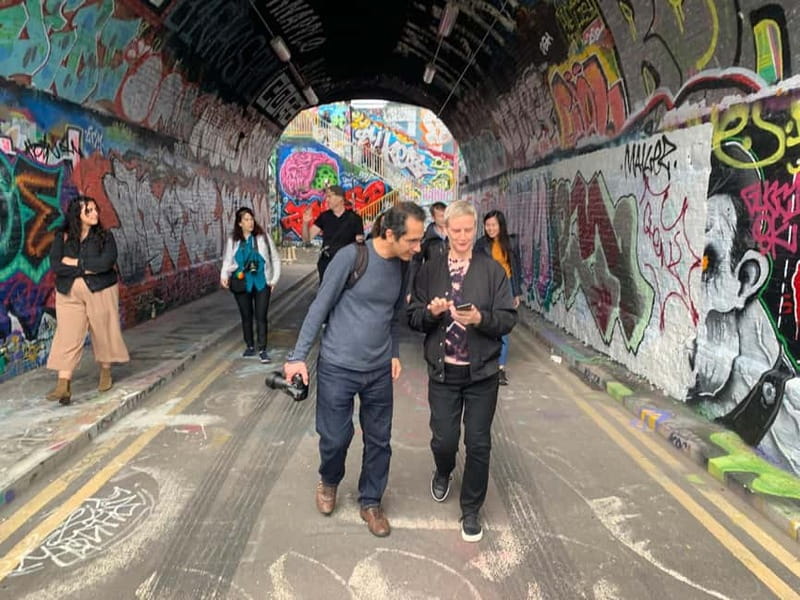
East London has been painting its own story for decades, and most people walk by like it’s just decoration. On this tour, you slow down and learn the logic behind what you’re seeing: the references, the rankings, the slang, and the visual rules writers follow.
What makes it work is the balance. Yes, you’ll see famous names like Banksy and Ben Eine, but the focus stays on how graffiti works as a culture, not just a set of big-brand murals. You come away with better eyes, not just better photos.
The 2.5-Hour Flow: What You’ll Do From Start to Finish
The tour runs for about 2.5 hours, in English, with a maximum group size of 15. That matters because you get room for questions and real back-and-forth, instead of racing through a checklist.
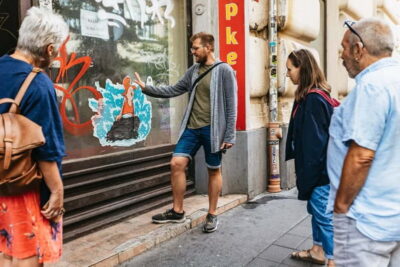
You’ll start in Shoreditch, where the guide sets the tone: how to look at street art critically, how to understand codes and hierarchies, and how to tell the difference between styles. From there, the walk becomes a guided lesson across some of the most famous East London streets and corners, including Brick Lane.
As you move, you’re not just being told what something is. You’re learning how writers communicate through references and form, so you can start decoding pieces even when they’re not explained in real time.
You can also read our reviews of more tours and experiences in London.

Shoreditch Basics: Learn the Codes Before You Trust Your Eye
One of the best parts is the tour’s foundation. You’ll get an historical introduction to graffiti and street art in the UK, including how it evolved alongside class, politics, gentrification, and social media. That context keeps you from treating street art like random street decoration.
Then the guide brings in the social layer: graffiti has codes, hierarchies, and rivalries, and those shape what people make and how they respond. Once you understand that, tags, throw-ups, stencils, and bigger works start to feel connected rather than chaotic.
This is the type of tour where you’ll look at the same wall twice during the walk, because you start noticing different things each time: shape choices, lettering style, layering, and what a piece seems to be answering.
Banksy Stops in East London: More Than Famous Images
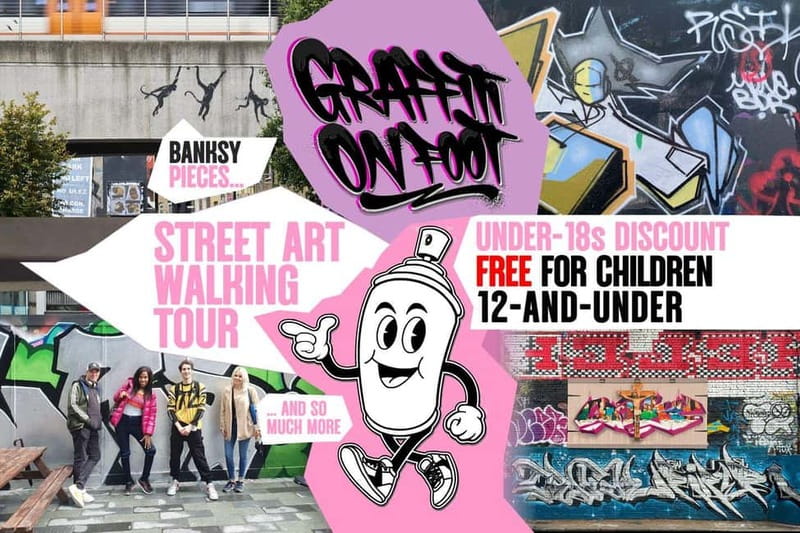
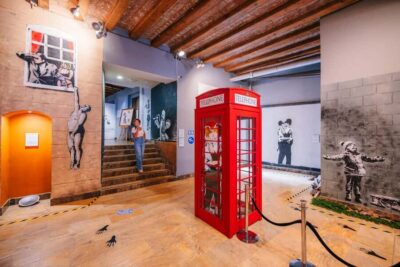
Banksy is a headline here, and you’ll see at least 3 Banksy pieces, with access to up to 4 depending on what’s available. The value isn’t the celebrity. It’s the explanation of history, inspiration, and controversies, so you understand why the work landed where it did.
The guide also covers the Team Robbo vs Banksy conflict, which helps you see Banksy as part of a bigger conversation rather than a one-person phenomenon. That conflict is a reminder that even when a piece looks simple at first glance, the scene behind it is full of opinions, stakes, and public drama.
As you walk between pieces, you’ll get help reading them: what they’re referencing, how they fit the visual language of graffiti, and what choices might be intentional. The result is that your photos start telling a clearer story, because you’re framing with meaning, not just aesthetics.
Brick Lane and the Gentrification Lens
Brick Lane is part of the tour for a reason: it’s one of those places where art, commerce, and reputation collide. Seeing street art here with context makes the walls feel like a social mirror.
The tour links graffiti evolution to shifting neighborhoods, including how gentrification changes what gets seen, what gets protected, and what gets erased. Even when you don’t agree with every side of that argument, you’ll understand the forces shaping the street art you encounter.
This stop also gives you a chance to practice your new way of looking. You’ll spot details that you might otherwise miss: changes in style over time, differences between writers’ voices, and how certain visuals become shorthand for a moment in the city’s story.
Ben Eine: How Typography Becomes Street Art
Ben Eine is included on the tour, and it’s a smart addition. He’s a name that helps bridge the gap between graffiti and street art, especially through lettering and bold readability.
What I like about covering an artist like Ben Eine is that it broadens your definition of what graffiti can be. You’re not stuck thinking it only means quick tags. You start to see how type, color, and layout can carry messages and identity just as strongly.
If you’re the kind of traveler who wants something more than stencils and stereotypes, this part helps balance the famous imagery with craft and style choices.



Meeting the Broader Writers’ Scene, Not Just the Headlines
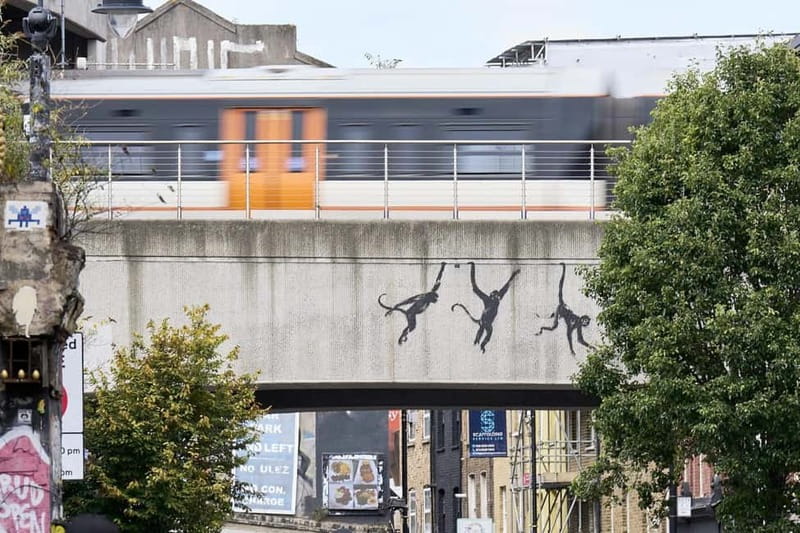
This tour doesn’t treat street art as a one-off celebrity world. It pays homage to legendary writers of London and also covers modern developments, including dozens of other graffiti writers you’ll encounter along the route.
You’ll learn how graffiti references other work, how writers signal affiliations or rivalries, and what the codes and slang are trying to do. Once you know that, you can look at a piece and ask better questions: Who is it speaking to? What is it responding to? Is it building a reputation or challenging one?
There’s also an extra bonus that can happen on the day: you might see graffiti writers working. When that occurs, the tour asks you to conduct yourself discreetly and not photograph them without express permission. It’s a respectful rule that also keeps the experience calm and focused.
Photo Opportunities: Where the Lens Matters and When to Put It Away
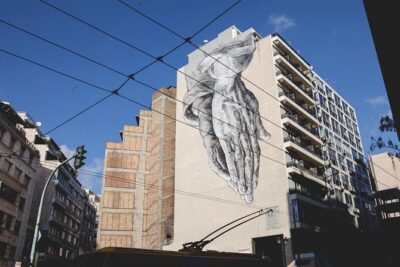
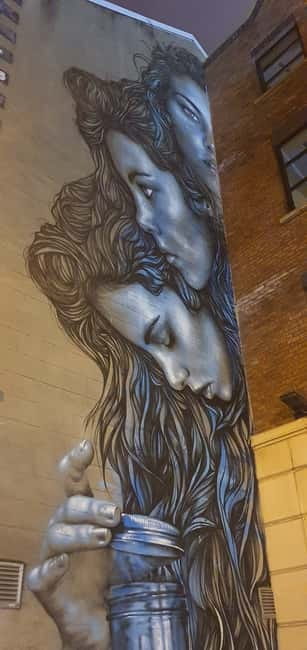
You’ll get plenty of photo opportunities, and the tour is built around stops that give you good angles and the chance to frame pieces with street context. Bring your camera, but keep in mind what kind of photos you want.
You’ll probably take two styles of shots. First, the straightforward portrait of the artwork. Second, the “readable” shot that includes surroundings, because the guide’s explanations make you want the full scene, not just the image in isolation.
One practical tip: if you notice active work happening, pause and follow the guide’s instructions. Street art is public space, but it’s still made by people with their own boundaries.
What You Learn That Changes How You Walk Through Cities
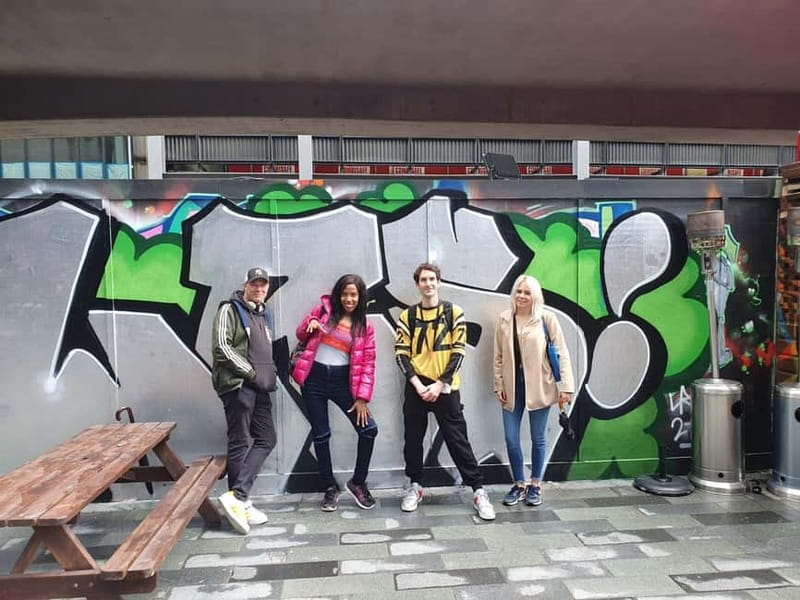
This is the kind of tour where the real souvenir is not a photo, it’s your attention. By the end, you’ll likely notice lettering and layout decisions more quickly, and you’ll start recognizing recurring references and visual patterns.
The tour also does something rare: it gives you tools for critical analysis. You learn to read pieces and analyze them, not just rate them as good or bad. That matters because street art is often misunderstood, especially when it’s reduced to shock value or brand recognition.
And because the group is small, you can ask follow-up questions. In multiple cases, people emphasized that James answered everything they asked, which makes the tour feel like a conversation with the city rather than a lecture from a distance.
Price and Value: Why $22 Can Work
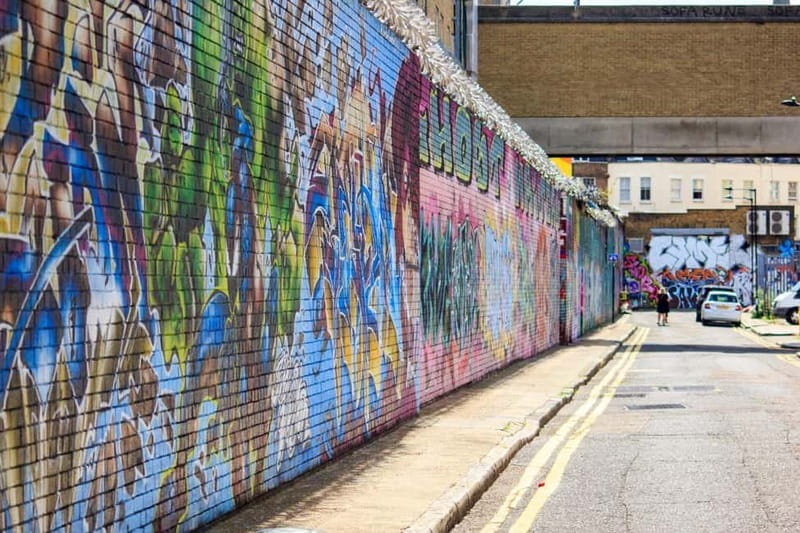
At around $22 per person for roughly 2.5 hours, this tour is priced like a budget-friendly specialty walk. The value comes from what’s included: multiple Banksy stops (3 to 4), in-depth analysis of graffiti artistic styles and codes, and coverage of major controversies and conflicts.
You’re also paying for interpretation. If you walked Shoreditch on your own, you could find plenty of street art, but you’d miss the structure: the history, the hierarchy, and the references that make a piece click.
For families, it also seems to land well. Several reviews highlighted that teenagers and younger kids stayed interested, largely because the guide’s storytelling keeps moving and the pace works for different attention spans. If you want something more meaningful than a quick photo hunt, the price makes sense.
Small Group Size: The Practical Advantage
With a maximum of 15 people, you don’t feel swallowed by the group. You can hear explanations, and the guide can adapt on the fly when questions come up.
That size also helps with the tone of the tour. It stays friendly, question-friendly, and focused on details, including style comparisons between different artists and what certain visuals are signaling in the graffiti world.
If you’ve done bus-style tours before, you’ll feel the difference right away: less rushing, more noticing.
Who This Tour Suits Best (And Who Might Skip)
This tour is ideal if you:
- Like street art but want real context, not just sightseeing
- Enjoy art analysis and want help reading pieces critically
- Want a walk that works for both adults and kids
It’s also a good fit for people visiting London more than once. After this, you’ll look at the same streets again and understand more, even without a guide.
On the other hand, if you only want quick photos and zero talking, this might feel too structured. And if you use a wheelchair, it’s not suitable.
Tips to Get More Out of Your Walk
If you want to enjoy the experience at its best, go prepared to slow down. Wear comfortable shoes, because you’re moving through East London and spending time at multiple stops.
For clothing, plan for actual weather. One review pointed out how cold Shoreditch can feel in winter, so layers matter. And if you’re photographing, remember the rule about writers at work: be discreet and don’t photograph them without permission.
Finally, bring curiosity. The tour rewards you for asking questions, and you’ll probably find yourself spotting details long before the guide gets to them.
Should You Book This Advanced Graffiti Tour?
Yes, if you want to see Shoreditch in a new way. The combination of multiple Banksy pieces, the Team Robbo vs Banksy storyline, graffiti codes, and the inclusion of artists like Ben Eine make it more than a celebrity walk. At $22 for about 2.5 hours in a small group, it’s also strong value for what you get: interpretation, structure, and photo-ready stops.
Book it if you’re the kind of traveler who enjoys learning how cities think, not just how they look. Skip it only if you need a fully quiet, fast tour, or if wheelchair access is essential for your group.
FAQ
How long is the Advanced Graffiti Street Art Tour in Shoreditch?
The tour lasts about 2.5 hours.
How many Banksy artworks will I see?
The tour includes at least 3 Banksy artworks in East London, with the possibility of up to 4 depending on access.
Is photography allowed during the tour?
Yes. Photography is allowed and encouraged, but if graffiti artists are working, you should act discreetly and not photograph them without express permission.
What group size should I expect?
The tour runs in small groups with a maximum of 15 people.
Is the tour wheelchair accessible?
No, the tour is not suitable for wheelchair users.
What cancellation options are available?
There is free cancellation up to 24 hours in advance for a full refund.