REVIEW · LISBON
The Real Lisbon Street Art Private Guided Tour by Minivan
Book on GetYourGuide →Run by Estrela d'Alva Tours · Bookable on GetYourGuide
Lisbon’s walls talk, and you get the transcript. This Real Lisbon Street Art Private Guided Tour mixes smart context with hands-on viewing, as you ride and stop around the city to see major street art and graffiti pieces. You’re not just taking photos—you’re learning how the scene evolved and why specific works matter.
I especially like the way the guide keeps things grounded in street art and graffiti history, with a chronological, place-by-place explanation. I also like the private setup in an air-conditioned minivan, because it lets you ask questions without the usual “everyone hurry up” pressure—plus you’ll have a guide who knows how to point out details you’d normally miss, like guide Pedro’s ability to connect works to city history and architecture.
One consideration: this kind of private tour costs real money. A couple of ratings flagged the price as steep for what’s on offer, so it’s worth thinking about whether you’ll fully use the guide time and the minivan advantage during your 3 hours.
In This Review
- Quick hits you should know
- How this 3-hour minivan route makes Lisbon’s street art make sense
- What your guide really does: context, chronology, and sharp questions
- The stops: what to look for when you’re walking stairways and alley corners
- Why graffiti history in Lisbon changes how you look at the city
- What’s included (and why those small extras matter)
- Price check: is $489 per group up to 1 good value?
- Who should book this street art private minivan tour?
- Practical tips for making the most of your 3 hours
- Should you book the Real Lisbon Street Art Private Guided Tour?
- FAQ
- How long is the tour?
- Where does the tour take place?
- What does the price include?
- Is this a private tour?
- What languages are available for the guide?
- Is food included?
- Is hotel pickup included?
- Is the tour wheelchair accessible?
- What should I bring?
- Is there free cancellation?
Quick hits you should know

- Local guide storytelling: you get historical and chronological context, not just a photo stop list
- Key works across the city: you’ll visit some of the most important street art and graffiti examples in Lisbon
- A moving tour route: you travel along avenues, streets, alleyways, and even stairways to reach the art
- Small-group feel with real questions: guides like Pedro are reported to answer requests and keep it lively
- Comfort included: air-conditioned minivan, Wi-Fi onboard, and water to keep you going
How this 3-hour minivan route makes Lisbon’s street art make sense

This tour is designed around momentum. Lisbon is one of those cities where urban art keeps changing—new pieces appear, old ones fade, and styles shift. Instead of locking you into one neighborhood, you get a route that moves through different streets and visual “zones,” so you start seeing the big picture: the art scene isn’t random, it’s part of the city’s ongoing conversation.
The minivan matters more than you might think. Street art usually lives on walls that you reach by detours, stairs, and side streets—not always the easy-to-walk corridors. By combining riding time with short stops to view the work, you’re less likely to waste your energy fighting logistics. That’s a big deal in Lisbon, where the terrain can be a workout if you’re doing it without a plan.
You’re also on a schedule: the total time is 3 hours, and the structure is built for “see, then understand.” Expect a pace that keeps you rolling—enough time to look closely, but not so long that you start tuning out. If you’re the type who likes to take your time at a single mural for ages, you’ll still enjoy this, but you may want to pair it with your own extra stop afterward.
You can also read our reviews of more tours and experiences in Lisbon.



What your guide really does: context, chronology, and sharp questions
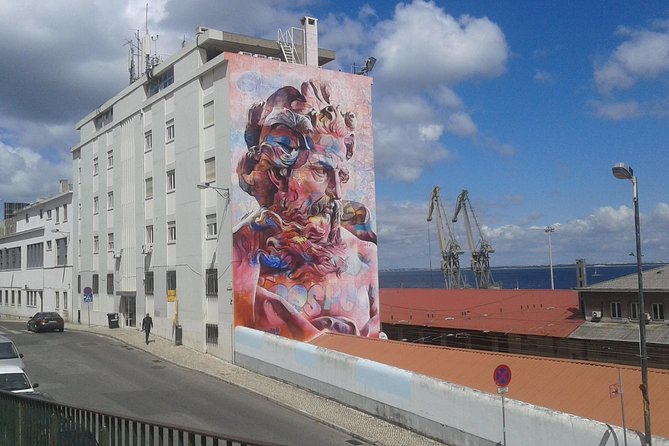
The standout here is the guide. This isn’t a drive-by where the guide just points at walls. You’ll get continuous commentary with historical and chronological context of places and artists. In practice, that means you’re learning to read street art like a timeline and a dialogue—not just artwork on a surface.
Some guides also bring a “city + art” lens. One of the names that comes up repeatedly is Pedro, described as having an encyclopedic feel for the street art/graffiti scene, plus a knack for linking works to what’s around them—history and architecture included. That combo changes how you see Lisbon. Suddenly you’re not only asking what the piece shows, you’re asking how the city’s layout, eras, and communities shaped the message.
Language is another practical plus. You can book in English, Portuguese, or German, and the tour runs with a live guide in that language. If you’re traveling with friends or family who prefer a specific language, this matters because it keeps the experience smooth instead of turning it into “translate as best you can.”
One more thing: the tour is set up as a private group, so you’re more likely to get answers instead of rushed nods. If you care about particular artists, recurring themes, or how Lisbon’s scene compares to other European cities, you’ll get more useful discussion time than on a generic walking tour.
The stops: what to look for when you’re walking stairways and alley corners

You don’t get a listed-by-name museum route here. Instead, the tour focuses on seeing major works of street art and graffiti across Lisbon, reached via avenues, alleyways, and stairways. That matters because street art isn’t always meant for a wide boulevard pause. A lot of it shows up on the edges—where people pass through, where there’s texture, where the “stage” is the neighborhood itself.
Here’s how to get the most out of each stop, based on the kind of viewing this tour is built for:
- Look for layers, not just style. Many street art pieces are tied to past moments in the scene. Even when you can’t fully decode the visuals, the guide’s timeline helps you place it in context.
- Pay attention to setting. A wall beside a stairway corner or tucked into an alley tells you how the artist expected people to encounter it—quick glance, lingering look, or rediscovery.
- Watch for recurring themes. The tour’s emphasis on artists and chronology usually makes patterns show up over time, like changes in tone, technique, or message.
A major benefit you’ll feel is the guide taking you to places beyond the most obvious tourist corridors. That isn’t about elitism—it’s about better observation time. Less crowd noise means you can actually read the work and listen to the explanation. You also get a more “Lisbon in real life” feel, because the art sits within ordinary streets rather than a curated backdrop.
Drawback angle: because the art is outdoors and the tour moves, you’ll need to stay mentally flexible. You might arrive at a work expecting one thing and have the story flip how you interpret it. That’s usually a plus, but if you’re the type who wants fully guided, stop-by-stop certainty, you should be comfortable with a bit of “watch and learn” flow.
Why graffiti history in Lisbon changes how you look at the city
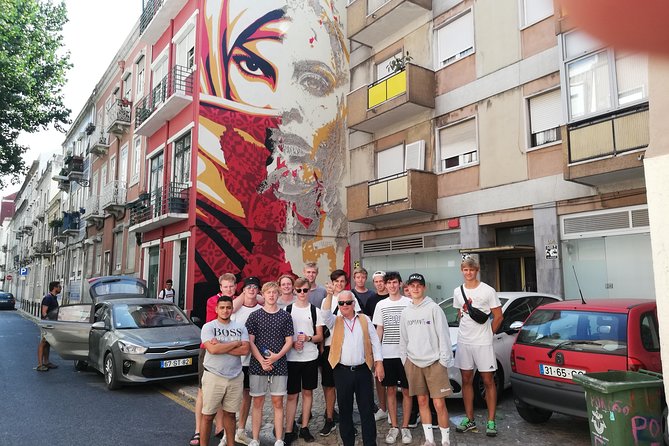
Street art in Lisbon isn’t just decoration. It’s a running record of who had a voice, what got attention, and how visual language evolved. This tour leans into that by giving historical and chronological context during the ride and at the stops.
For you, that translates into a very specific kind of payoff. After a few explanations, you’ll stop seeing murals as “random cool art” and start seeing them as statements in a larger conversation. You’ll also learn that graffiti and street art don’t behave like traditional gallery art. They’re tied to public space, risk, identity, and timing—often responding to what’s happening in the city.
And because the guide keeps the story tied to places and artists, you’ll likely begin noticing connections on your own afterward: how a wall’s location affects the message, how certain themes repeat in the scene, and how Lisbon’s broader culture feeds into the art.
One more detail worth caring about: the tour is described as continuously giving context while you travel. That means the ride isn’t downtime. You’re not just using the minivan to get from Point A to Point B—you’re using it to learn the “why,” so each stop lands with more meaning.
What’s included (and why those small extras matter)
You’ll save energy when the basics are handled. Here’s what’s included:
- Air-conditioned minivan transportation
- Local street art guide
- Wi-Fi onboard
- Water
- Liability insurance and personal accident insurance (in line with applicable law)
- Small group option in multiple languages (English, Portuguese, German)
- Pickup included (you wait in the hotel lobby about 5 minutes before scheduled pickup)
Two of these inclusions quietly improve the experience. Wi-Fi helps if you want to quickly look up an artist name or save a reference photo for later. Water keeps you comfortable so you can stay focused during the stops, especially if you’re wearing comfortable-but-not-cushioned walking shoes.
Also, this tour is wheelchair accessible, and it’s stroller and foldable wheelchair accessible. The important practical thing for you is to plan around the transport and access rules: non-folding wheelchairs aren’t allowed, and you’ll want to confirm your setup fits a foldable style. The smoother the match, the fewer stress moments you’ll have.
One more practical note: smoking isn’t allowed in the vehicle, and unaccompanied minors aren’t permitted. If you’re traveling with kids or teens under 18, they must be accompanied by an adult.






Price check: is $489 per group up to 1 good value?
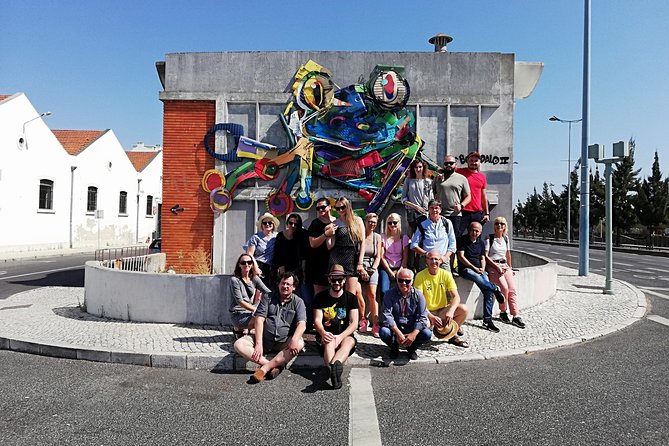
Let’s talk money plainly. The price is listed as $489 per group up to 1 for a 3-hour private guided tour. That looks expensive on the surface, and one reviewer did flag pricing as a downside. So here’s how I’d judge value for you.
This cost makes more sense if:
- You want a true private experience (not sharing guide attention with a large group).
- You’ll benefit from nonstop context—history, chronology, and artist explanation—while you move through the city.
- Air-conditioned minivan transport saves you energy and time versus piecing together your own route.
- You care enough about street art to want deeper reading, not just a few quick mural photos.
It may feel less worth it if:
- You just want general sightseeing and photos and don’t plan to spend time listening.
- You’re comfortable navigating on your own and you don’t need a guide to connect the dots.
- You’re budget-tight and another walking tour plus self-guided research would feel more aligned.
The best way to reduce the “price sting” is to treat it like a targeted learning session. Show up ready to ask questions. If you do, the guide’s storytelling becomes the real product you’re paying for—transport is just the tool that gets you to the art with less friction.
Who should book this street art private minivan tour?

This tour fits best if you answer yes to at least a couple of these:
- You like art that lives in the real public world, not only inside museums.
- You want the background: how graffiti and street art evolved and how artists connect to places.
- You prefer a guided route that helps you see more in less time—especially when the city includes stairs and side streets.
- You want a guide who can handle questions and tailor pacing for your group (Pedro is repeatedly praised for this kind of engagement).
- You’re traveling with mobility considerations and want the comfort of an air-conditioned vehicle and accessibility-friendly design.
It might not be ideal if you want long, slow wandering time or you’re the type who gets impatient with explanations. Even though the guide keeps things lively, the tour is fundamentally an education-first format.
Practical tips for making the most of your 3 hours
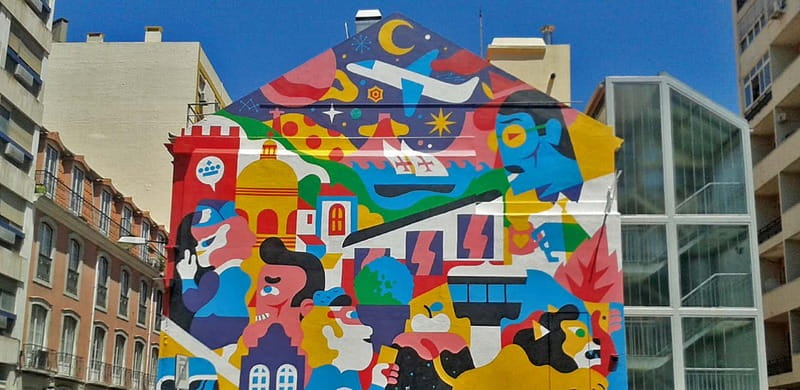
A couple of simple prep moves go a long way:
- Bring comfortable shoes. You’ll be moving through streets and stairways, and you’ll want grip and comfort.
- Wear comfortable clothes. Lisbon weather and street conditions can change quickly, and you’ll be outside for viewing moments.
- If you’re booking in a specific language (English, Portuguese, or German), think about what you want to understand most—politics, style history, specific artists, or how the city shaped the scene.
- Take a light camera habit: photo when you see something you love, but also pause so you can absorb what the guide is saying.
Should you book the Real Lisbon Street Art Private Guided Tour?
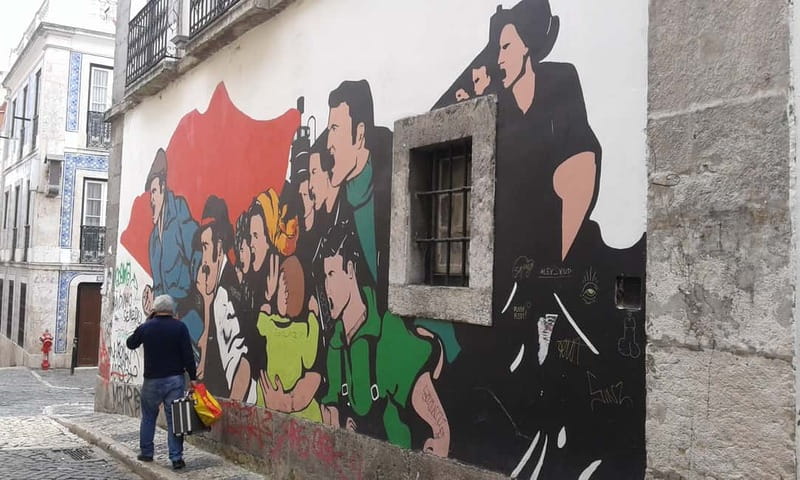
Book it if you want street art that comes with meaning, not just visuals, and you like the idea of getting around Lisbon efficiently in an air-conditioned minivan while a local guide explains the how and why. The guide quality and historical context are the big reasons this tour earns high marks, especially with names like Pedro showing up in the feedback as a teacher who guides you to smarter-looking at the city.
Skip it (or at least compare alternatives) if private pricing feels like a stretch for you, or if you prefer independent walking with minimal talking. For the right traveler, though, this is a very efficient way to turn Lisbon’s walls into a readable story.
FAQ
How long is the tour?
The tour duration is 3 hours.
Where does the tour take place?
It takes place in Lisbon District, Portugal.
What does the price include?
It includes transportation in a comfortable air-conditioned minivan, a local street art guide, Wi-Fi on board, water, and insurance coverage (liability and personal accident, in accordance with the law).
Is this a private tour?
Yes, it’s a private group tour.
What languages are available for the guide?
The live guide is available in English, Portuguese, and German.
Is food included?
No, food expenses are not included.
Is hotel pickup included?
Yes. Pickup is included, and you should wait in the hotel lobby about 5 minutes before the scheduled pickup time. The driver/guide will have a badge with their name and the tour company name.
Is the tour wheelchair accessible?
The tour is wheelchair accessible. It is also stroller accessible and foldable wheelchair accessible, but non-folding wheelchairs are not allowed.
What should I bring?
Bring comfortable shoes and comfortable clothes.
Is there free cancellation?
Yes. You can cancel up to 24 hours in advance for a full refund.